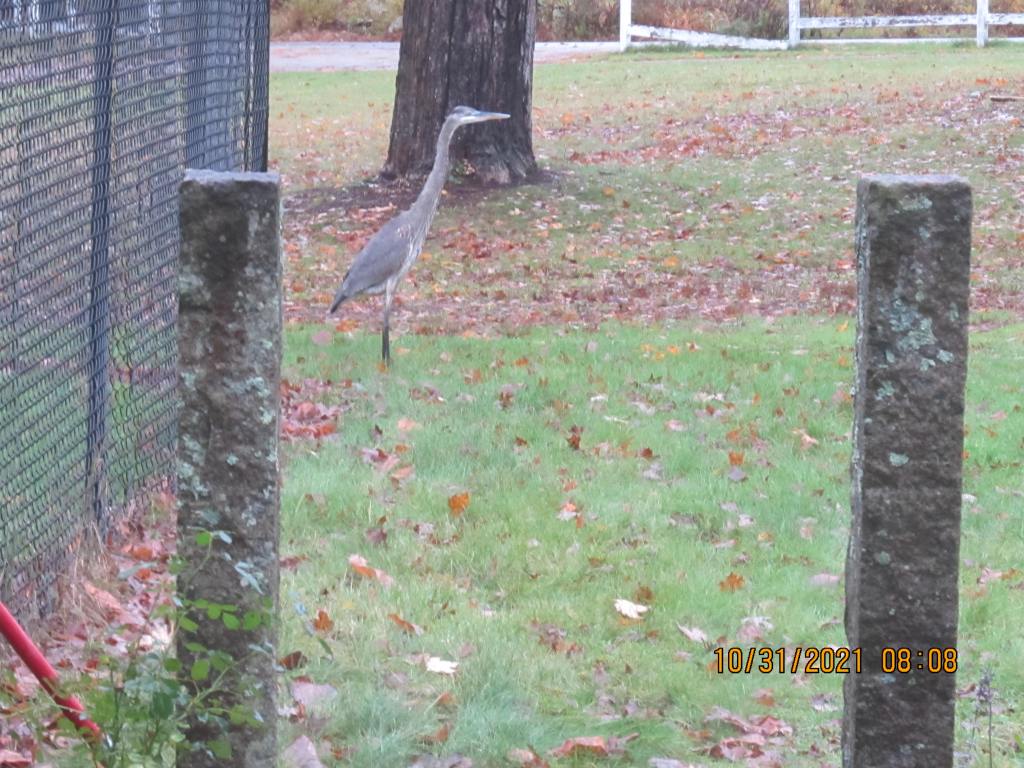
Not five minutes after I posted a photo of the Great Blue Heron I looked out the window. He was back- within 3 feet of the platform birdfeeder. He was frozen in strike position, eyeing two oblivious gray squirrels on the ground. When I banged on the door, he flew up to the lawn by the road and stalked around until a squad of bicyclists passing made him fly off again.
Ten minutes later he was back, and I ran out the door clapping to scare him away. He left, but I was at work that afternoon so I do not know if he came back and finally managed to swallow a squirrel whole.
There are plenty of squirrels up in the woods he could go after, but I feel guilty that I have put my front yard squirrels in harm’s way. When the Cooper’s Hawk comes and sits in the redbud tree I scare him away. When the neighbor’s gray cat hides under a lawn chair planning an ambush I yell at him too.
I am a sentimentalist.
I am also a hypocrite. If the heron was after woodchucks I would not mind at all if he swallowed every one.
Heavy rain over the last few days has made the river rise and Gregg Mill Pond swell. The fish must be too deep, and fishing too hazardous, for after I filled the courtyard bird feeders this morning, and the squirrel and chipmunk mob came running, this hunter came stalking into the yard. Perhaps he thought he could freeze and pretend he was a granite post, hoping a squirrel would not notice-
Great Blue Herons do eat mammals, and from what I read, they go after squirrels and chipmunks. If they are not afraid to take alligators in southern sloughs, a squirrel must be easy pickings!
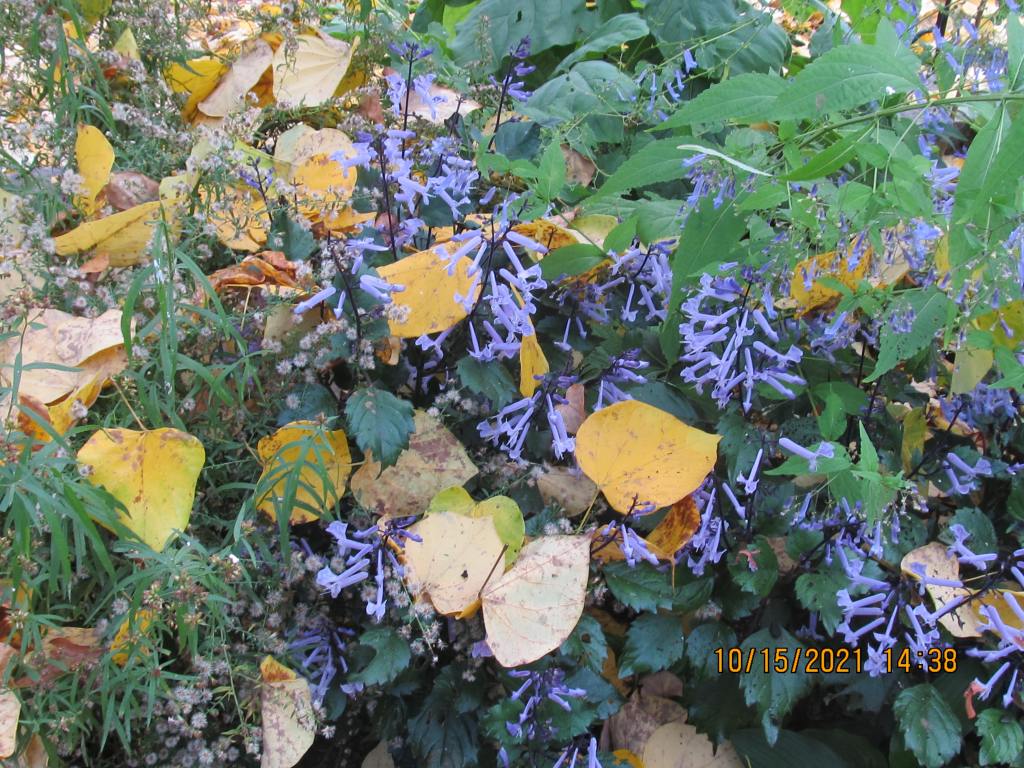
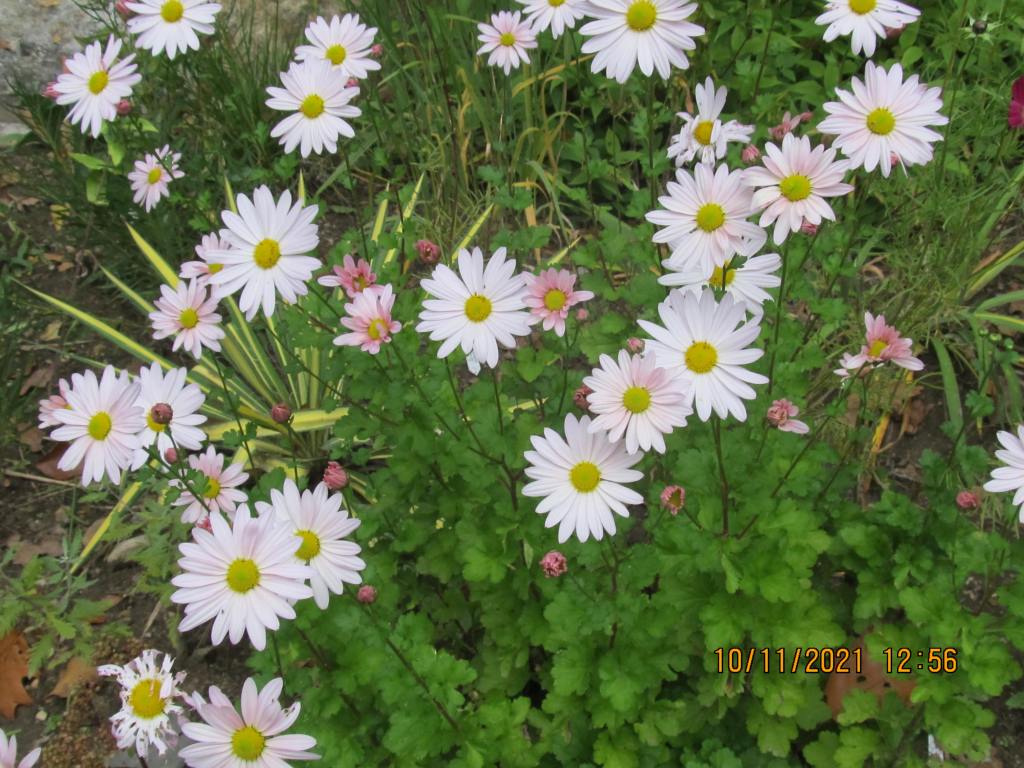
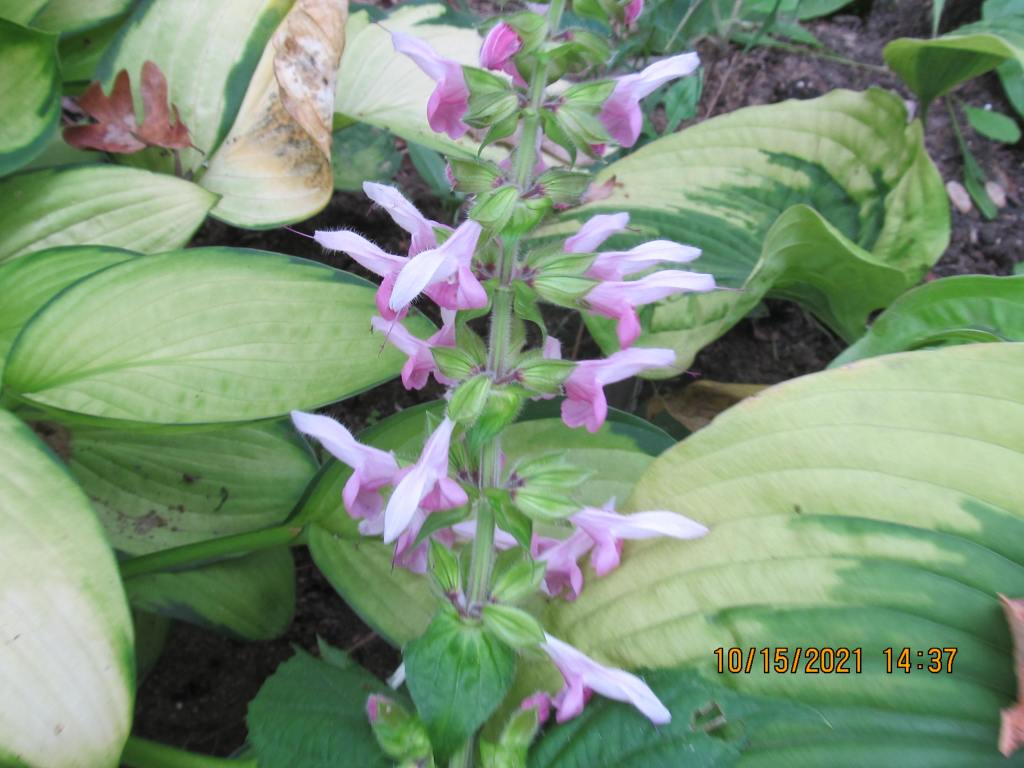
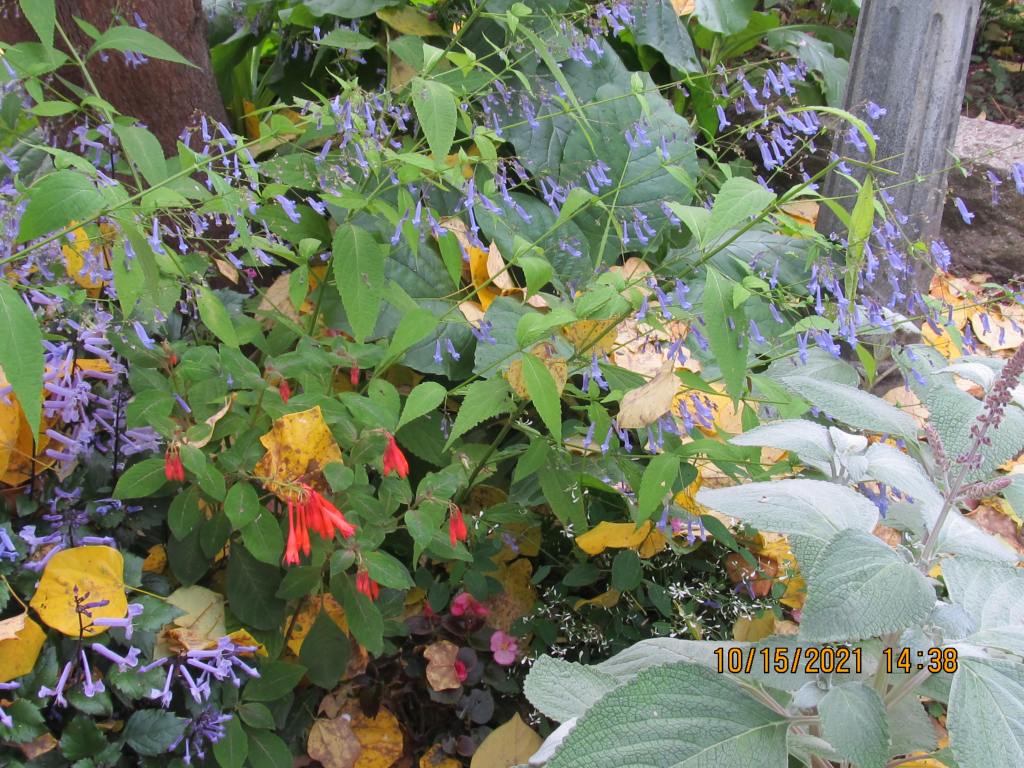
Redbud leaves on Plectranthus “Velvet Elvis”Old timey hardy chrysanthemum -Bow gardenHardy Autumn salvia “Monobana”
Above is the Japanese Spurflower- Isodon effusus, along with Fuschia “Gartenmeister” and Plectranthus “Longwood Silver”.
In the South the gardening year never ends. Seedling Bachelor’s Buttons, Larkspur germinate in fall. Rarely does snow cover them. There are myriad berries, spears of the coming daffodils, and in February one finds the leaves of Spring Beauties.
But while Southern New Hampshire is not the Arctic, there are long , gray months ahead. and Spring is cold and late. This year frost came a month later than it did in 2020. It came on Saturday, and in the past couple days the migration of tender plants inside has begun. This year I will keep the big room unheated, for last year the plants I brought in were confused by the combination of low light and warmth. They struggled to grow instead of to rest. This winter they stay cool.
This summer I subscribed to an English gardening magazine- “Gardens Illustrated”. It is far superior to our American gardening magazines. Better photography. More sophisticated. A world of magnificent gardens and gardeners. There is an article in the August issue about the famed Irish gardener Helen Dillion’s new garden. And if you cannot find the magazine, there is a 12 minute YouTube video of a tour of her garden from this summer.
It is magnificent, and one of the best things about it is that it is small. It does not try to look like a prairie. It is not purely perennial. There are dahlias, cosmos, cannas. It is inspiring-
Of course gardeners in Ireland and the UK have a more temperate climate. The ground does not freeze like cement and the summers are not sickeningly hot and muggy. It is hard to garden here, whether you live in Tennessee or New Hampshire. But one can still persevere-
The salvia pictured above, “Mono Bama”, is hardy in Zone 5. It lives in the woodlands of Japan, and I grow it under the shade of a Kousa dogwood. Its flowers look like little orchids. The only source for it I know of is “Flowers by the Sea”, a mail order nursery in California.
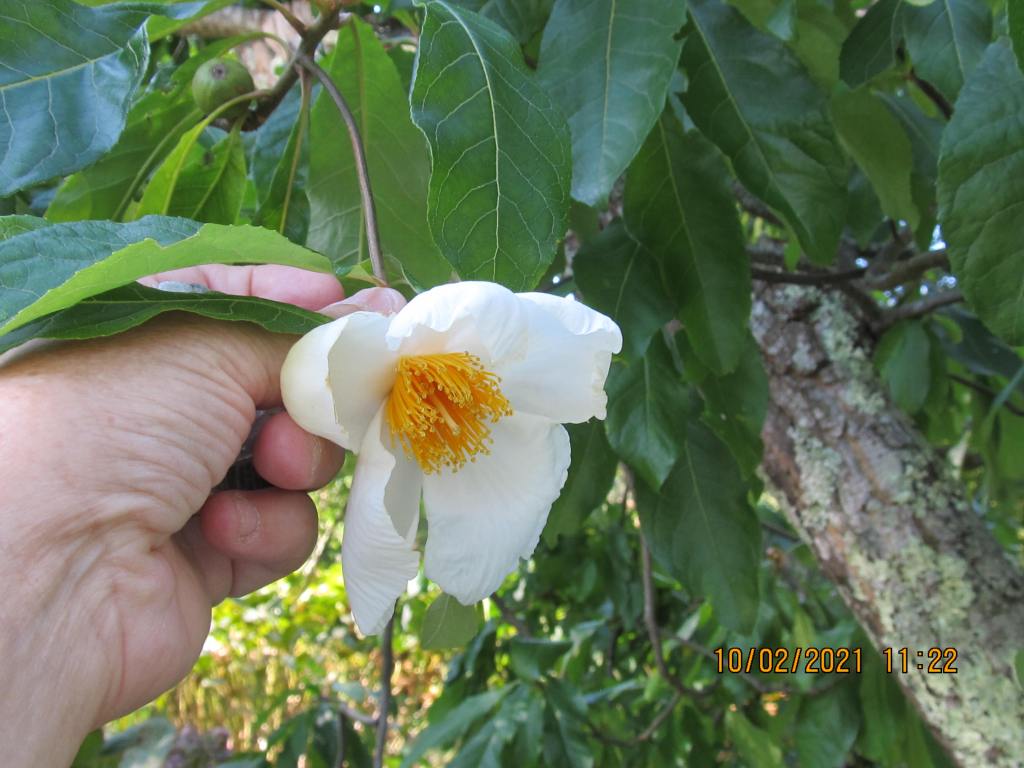
This is the Franklin Tree-Franklinia alatamaha, found in Georgia by the Bartrams centuries ago, and since then, never found again in the wild. It lives in captivity now, rare and hard to grow. This one pictured is in the Heritage Gardens on Cape Cod. I had never seen one before. Seeing it was like seeing a unicorn.
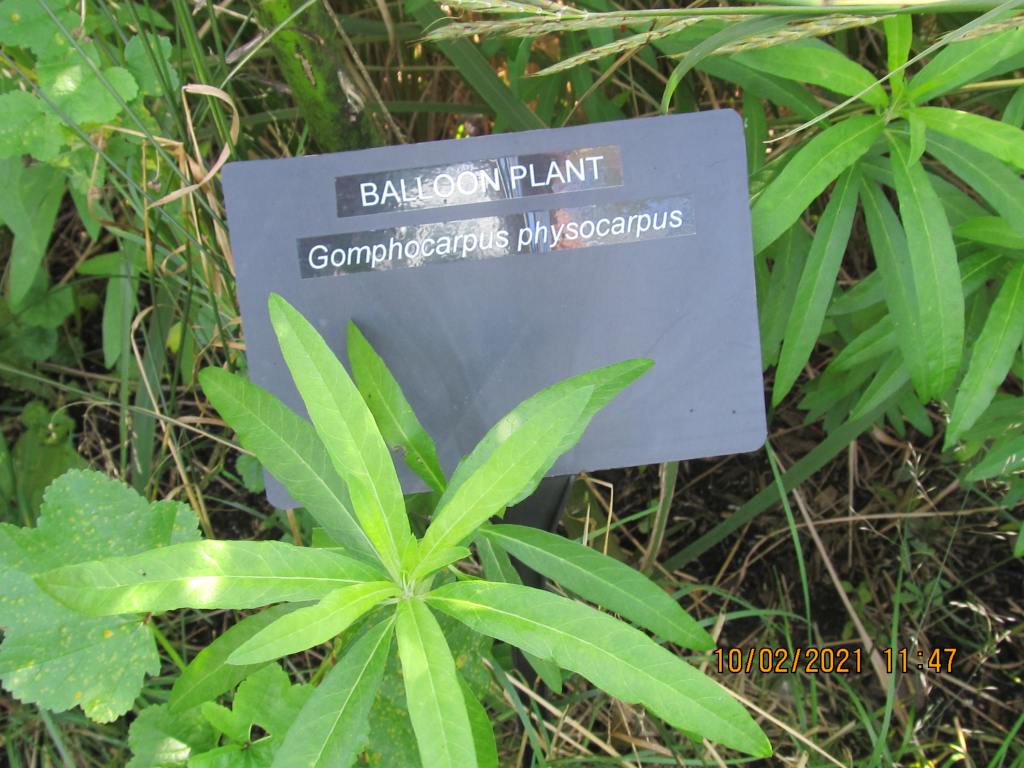
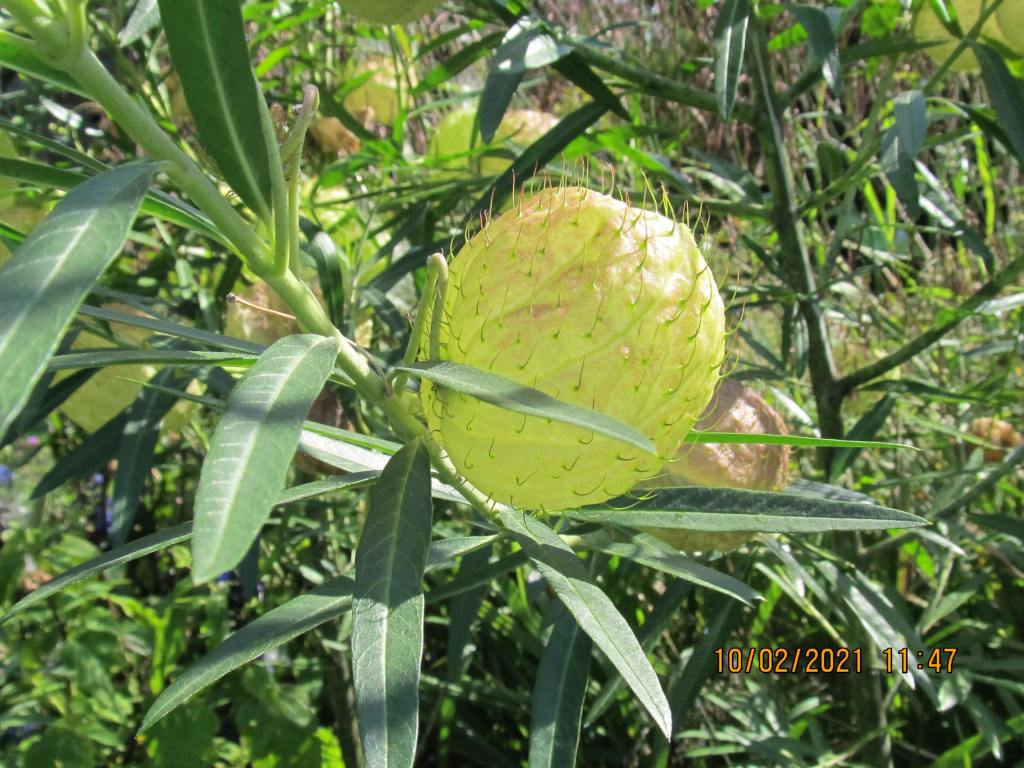
Here is a strange plant in the Bird and Bee garden at the Heritage. I think it is a plant children would love-
It is an African milkweed, and anyone who wants seeds can find them on Etsy-
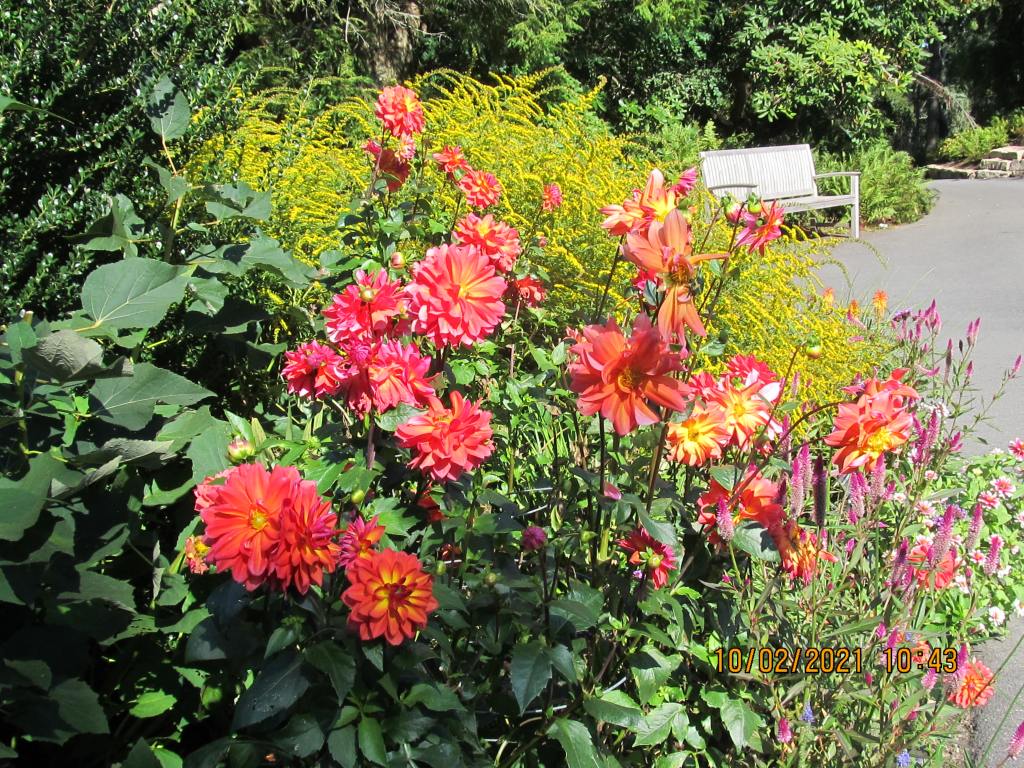
Here is a view of one of the entrance gardens-
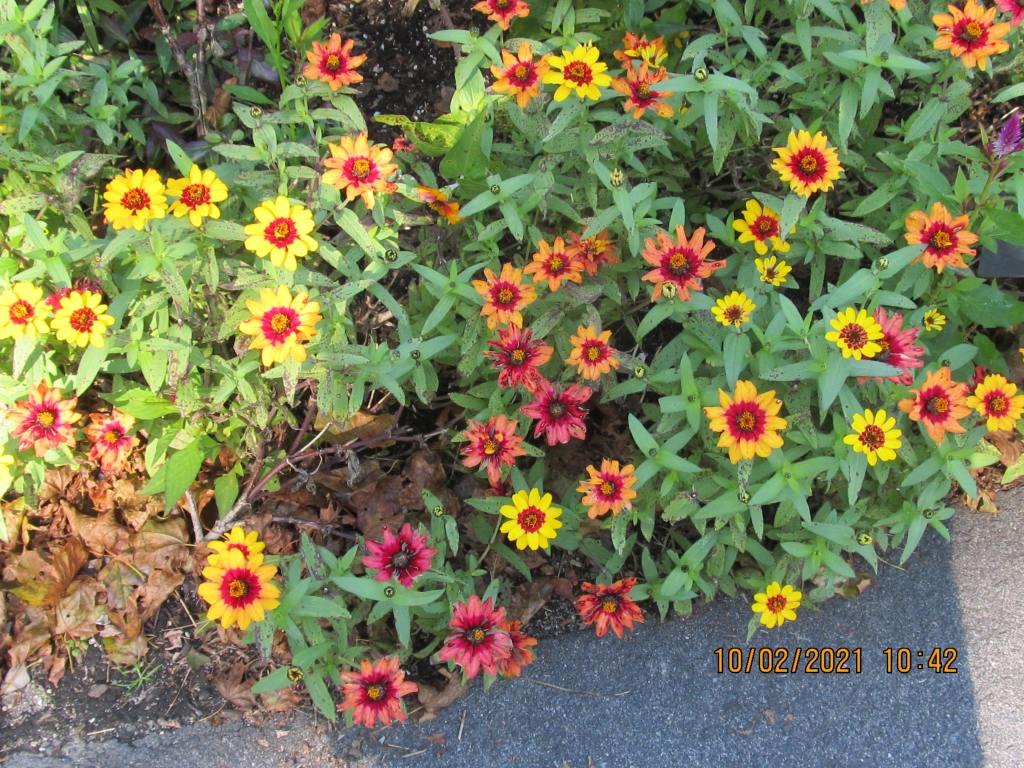
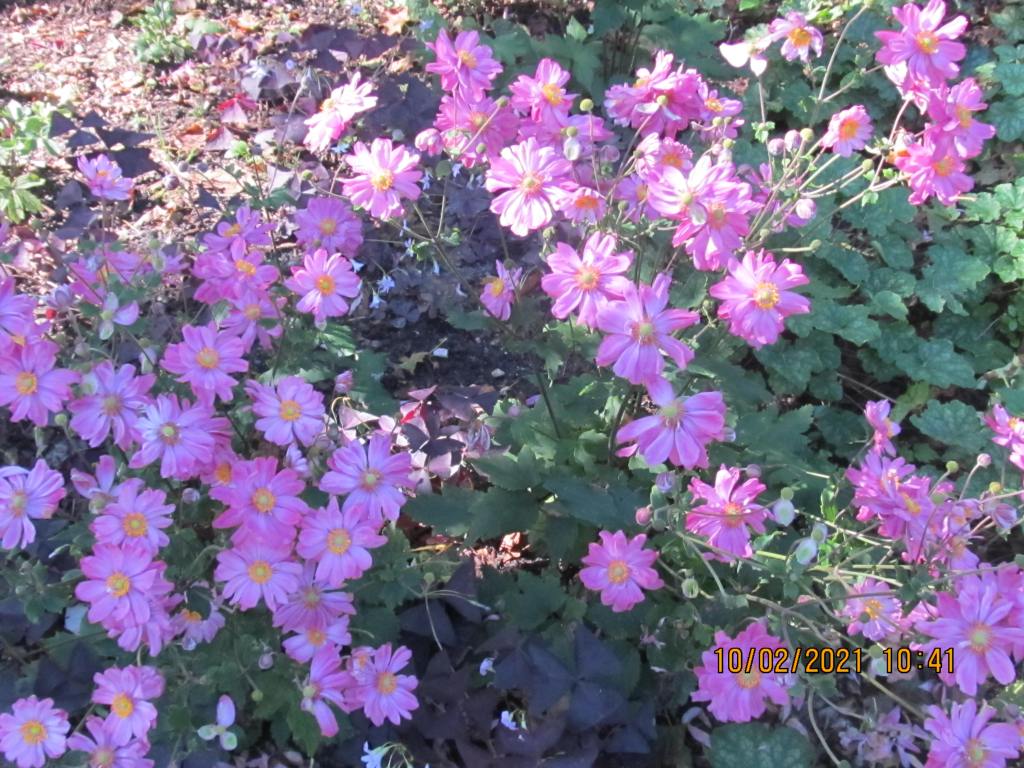
Zinnia “Profusion Bicolor”Pink Japanese Anemones
Above is Orange Emilia. I bought some seeds for this, and now I am happy I did. It is an annual from Africa.
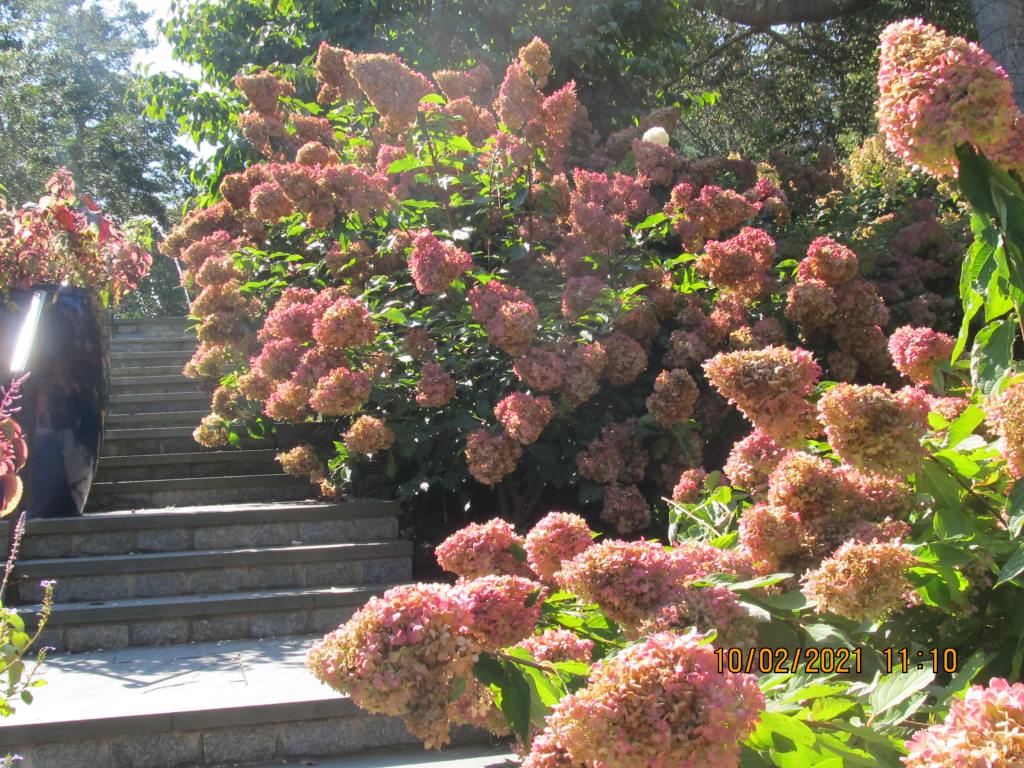
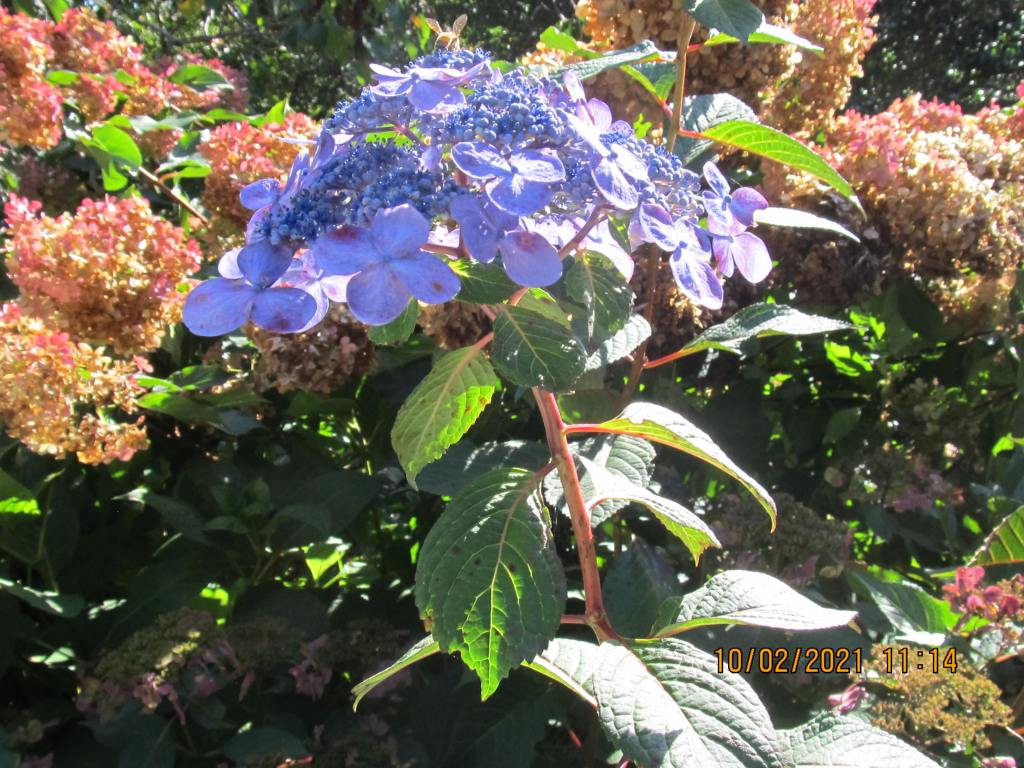
Heritage Gardens in Sandwich, Mass. has a riveting collection of hydrangeas of all persuasions- from blue mopheads to lace caps to paniculatas, and to exotics I did not know existed. Even in early October there were blooms to see.
My sister and I were in Eastham for a week, just south of Coast Guard Beach and the Nauset Marsh where Henry Beston once spent a year in “The “Fo’Castle”, otherwise known as the Outermost House. We saw endless asters, beach plums, the Silverling shrub, and bright green seaweeds on the beaches where we were looking for migrant shorebirds.
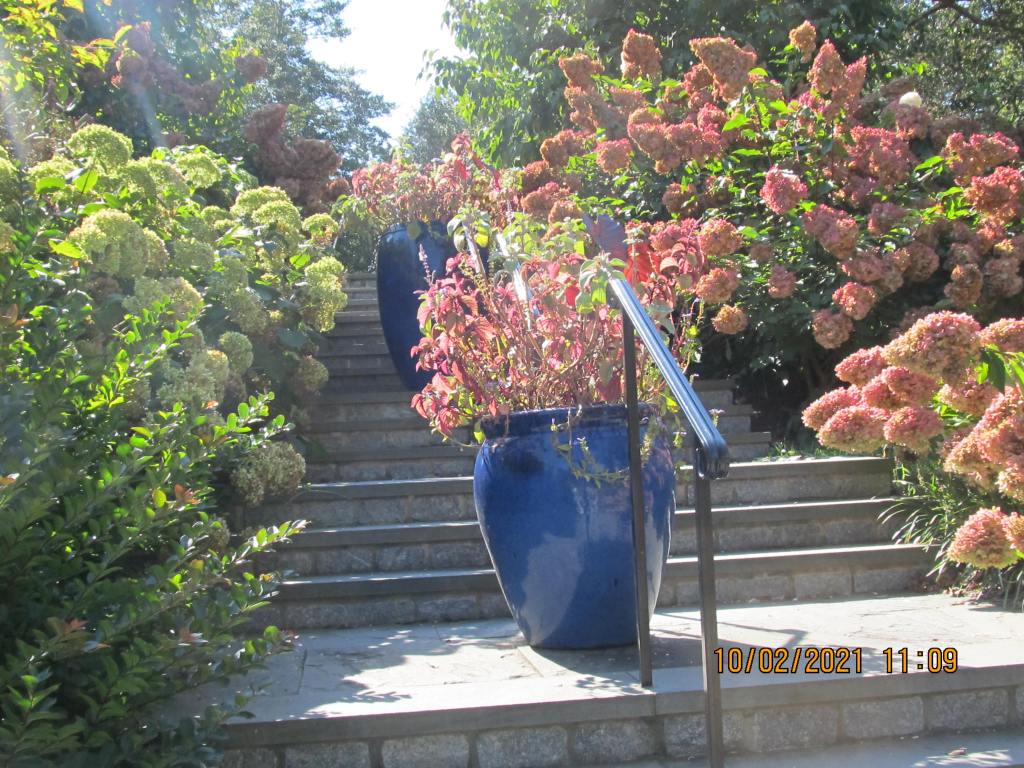
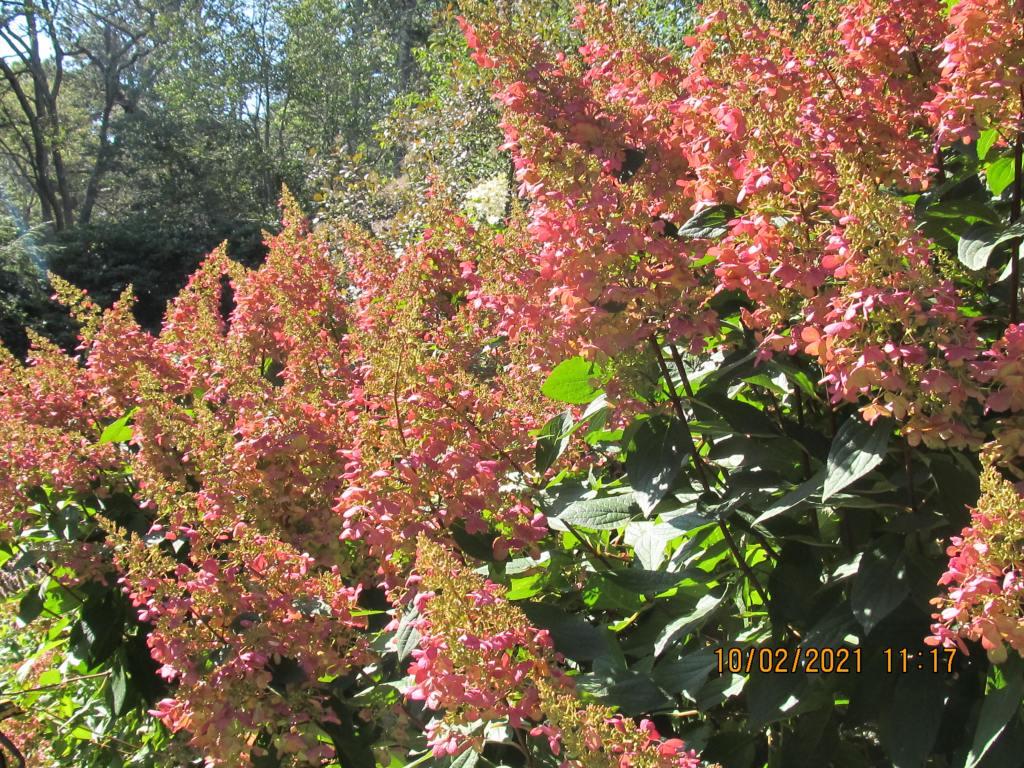
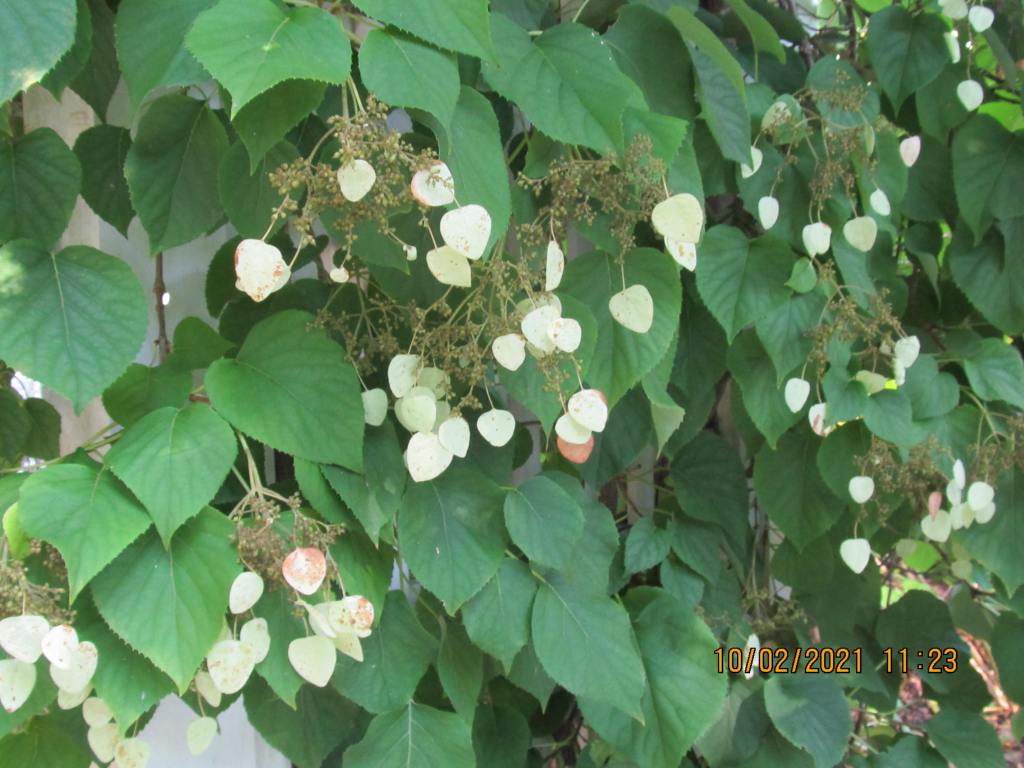
I have photos too numerous to post all at once, but I thought I would start at the Botanical Garden with pictures of the Hydrangea Trial gardens.
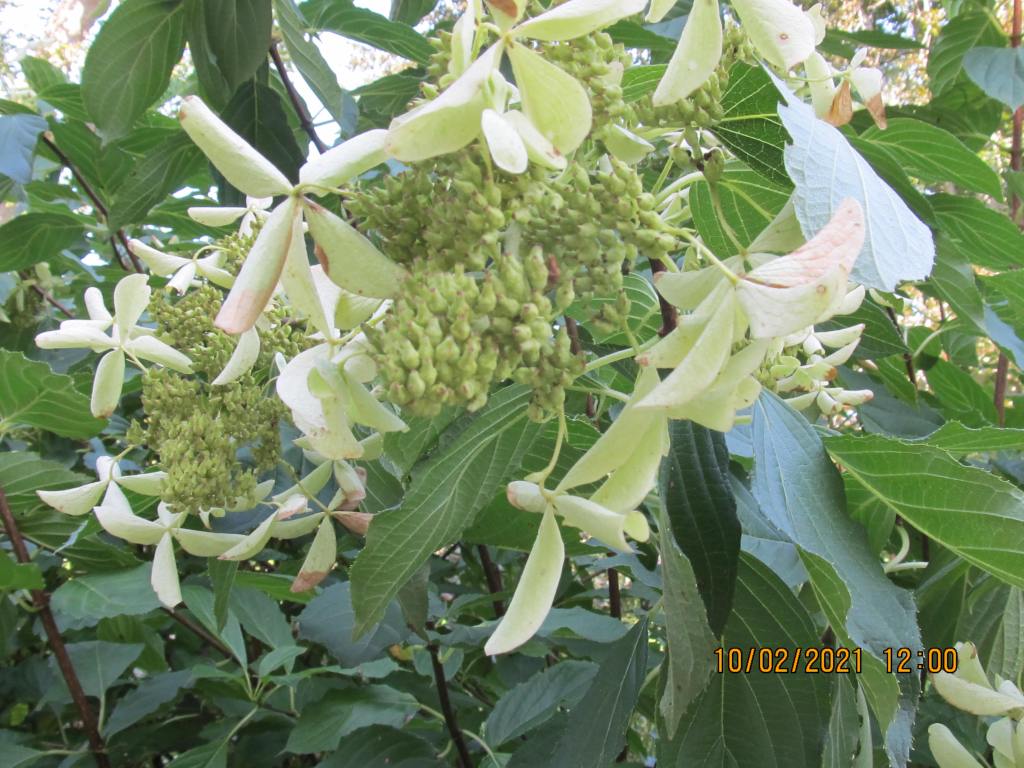
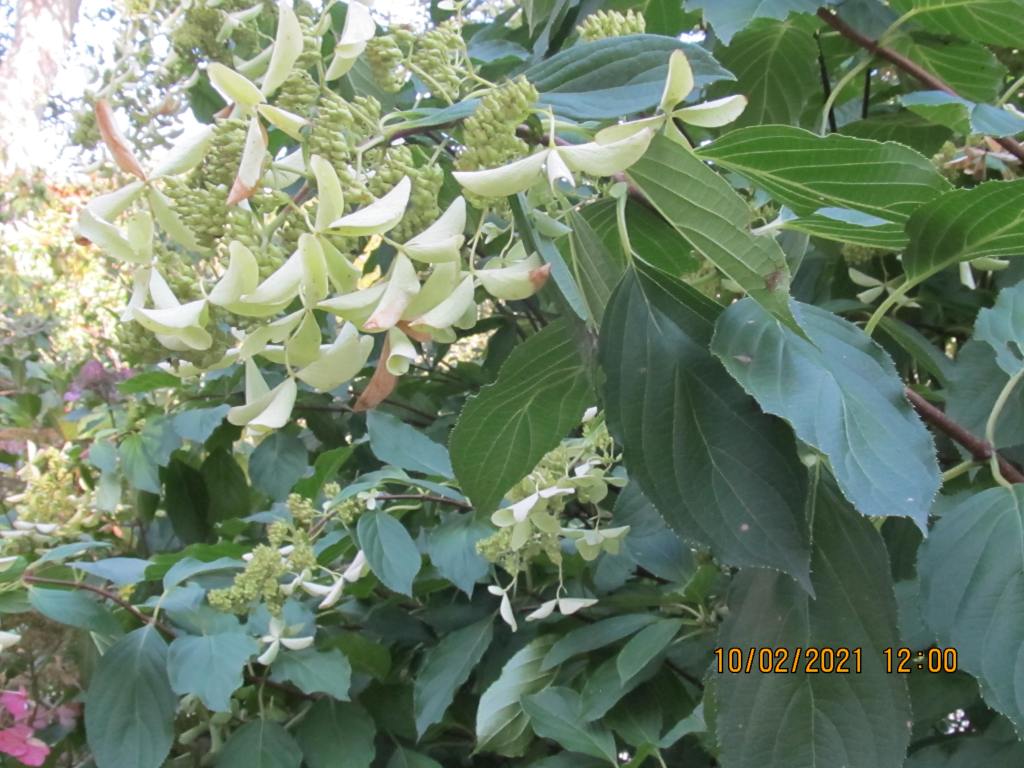
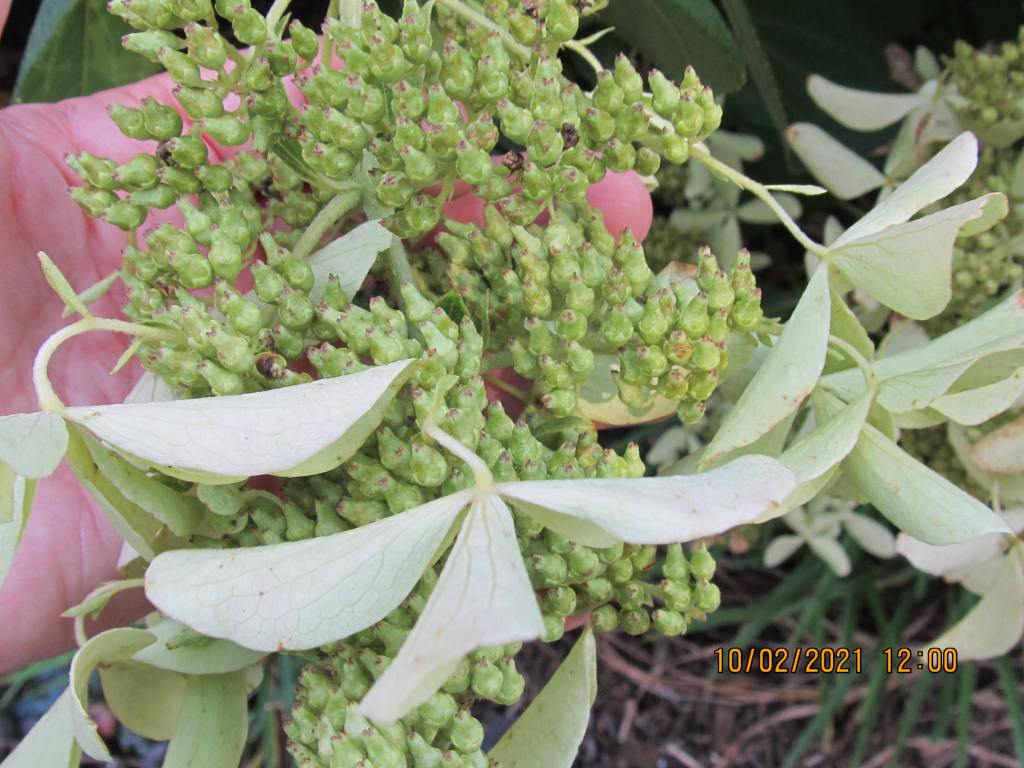
The last three photos are of a cultivar I have never seen or heard of. There was no label., so I have no idea what it is.
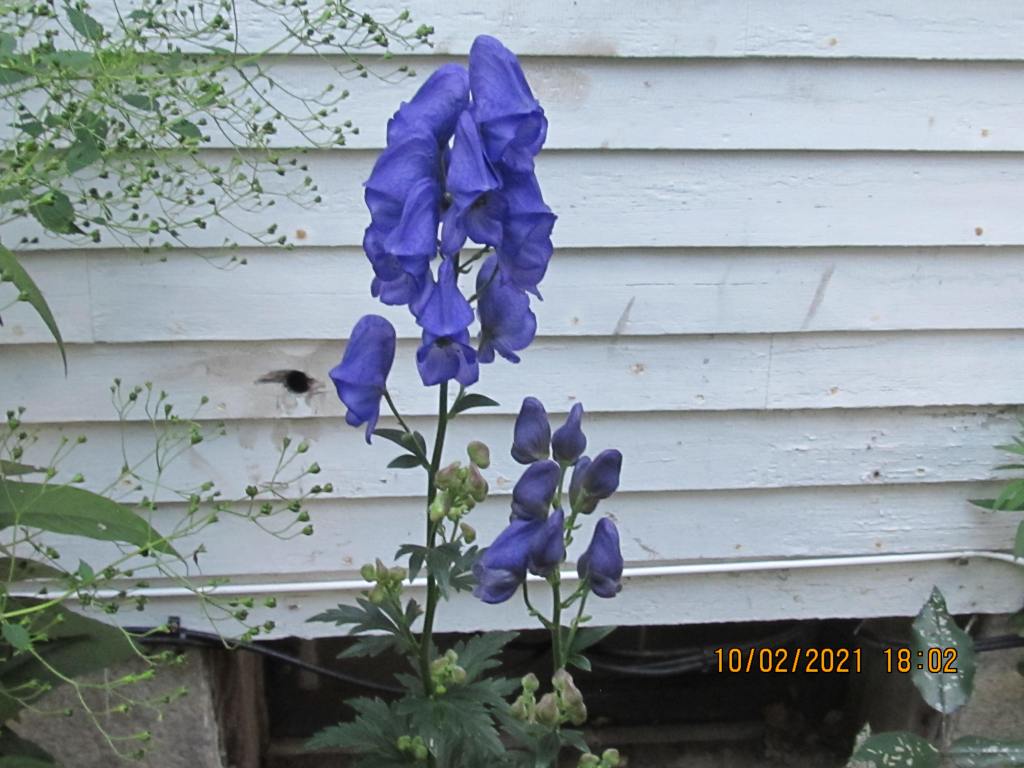
I will post more pictures of this beautiful garden, but I would like to show an extra photo or two of the Aconitum now blooming in my garden.
And at last my Prairie Golden Aster and aster “October Skies” are blooming!
Aster Cordifolius, the “Heart- leaved aster”, is blooming now. Along partly shaded roads. In the verge behind the Sully’s grocery in Goffstown. In old cemeteries. My sister’s garden in Bow has it foaming over the hostas in her front yard.
I have it here in New Boston, though the relentless, repeated attacks by the woodchucks kept it from blooming. No well drained soil deters it, and if the person who invites it into garden beds does not cut down the spent blooms and toss them far away, its seedlings can swamp the flower beds the next spring.
At the Goffstown Historical Society this aster, along with Aster divarticus, the White Wood Aster and the Blue stemmed goldenrod, has naturalized in the shady places and along the stone walls. It is a blue cloud, a mist against the granite stones.
There is much variation from plant to plant. Some blooms are smaller. Some less dense, and some range from white to blue to violet. There are several cultivars available, which is why I ended up buying two plants of “Avondale”.
As my mother used to say, this was like carrying coals to Newcastle. But I bought these two plants because of their upright habit, their darker violet flowers, and their stunning garnet colored foliage. Here are three photos of them planted in front of the brick foundation of a historical schoolhouse at Parker Station in Goffstown.
I have never seen this color in this aster’s foliage before. Perhaps it is unique to the cultivar, perhaps it is a result of nursery planting in full sun. I hope it persists.
The strange seedpod I photographed for my posting on The Fells visit belongs to the Japanese Woodland Peony. No one at The Fells replied to my query, but as I went searching through Ruth Clausen’s “Essential Perennials” I saw the seed pod pictured.
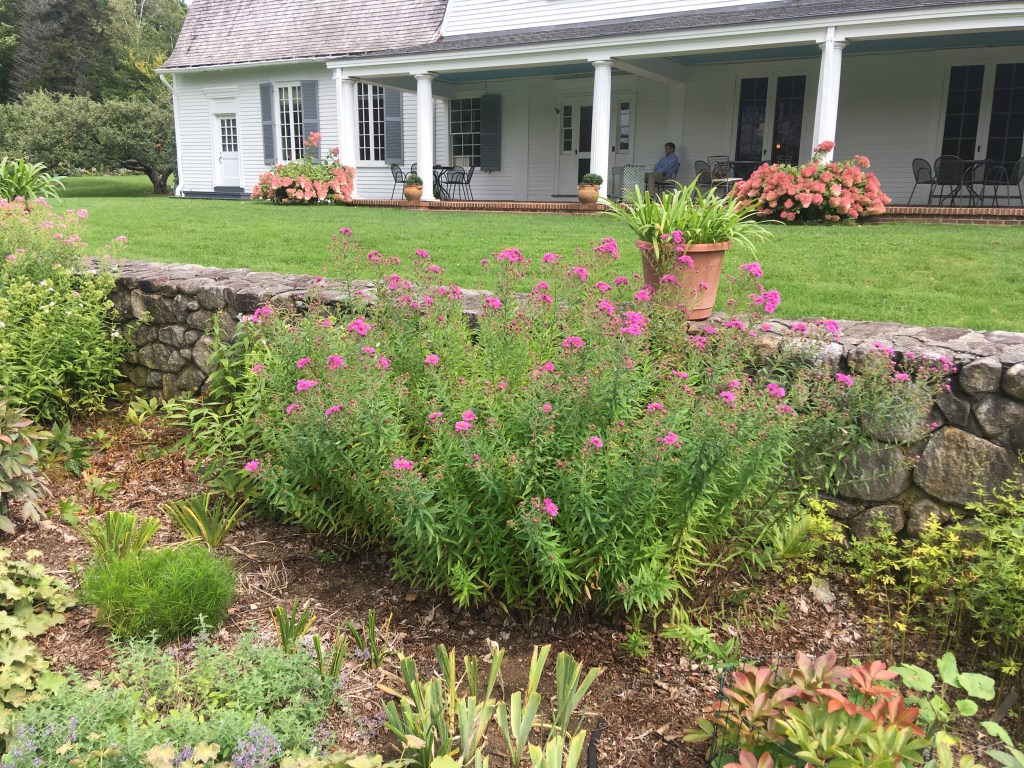
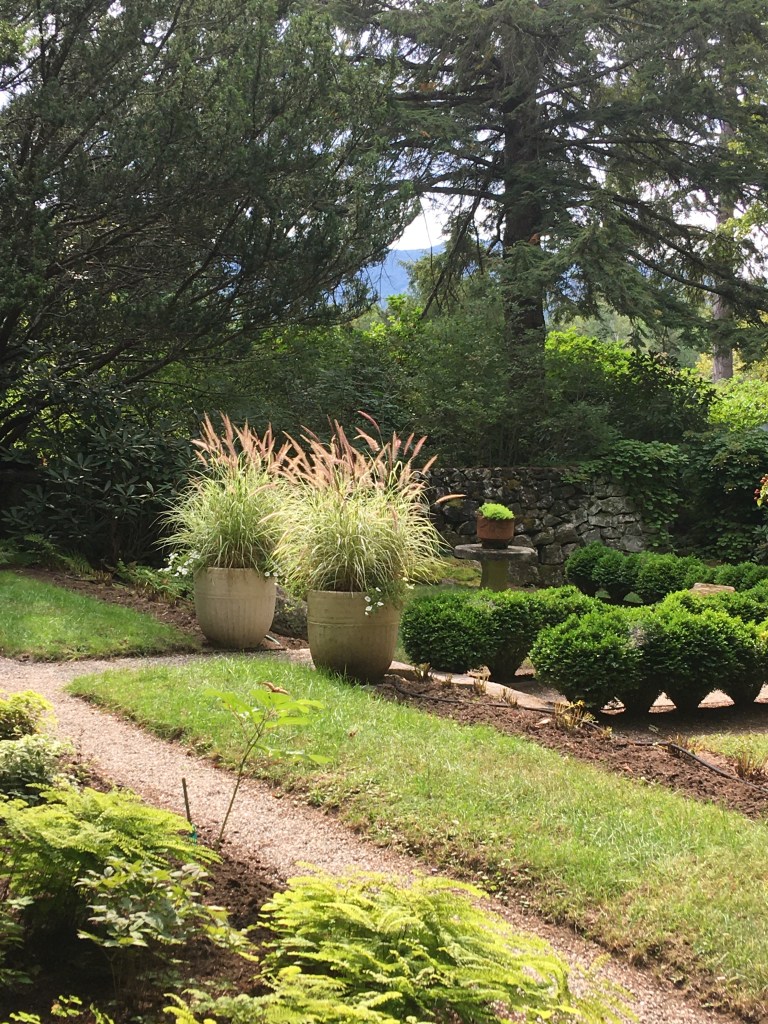
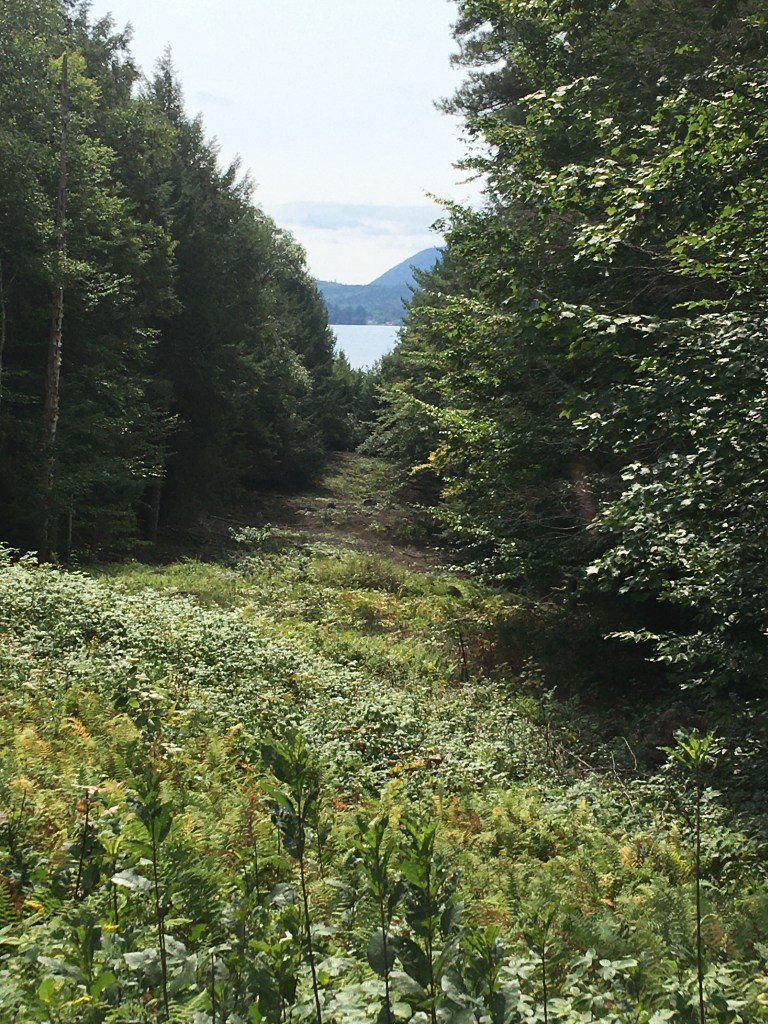
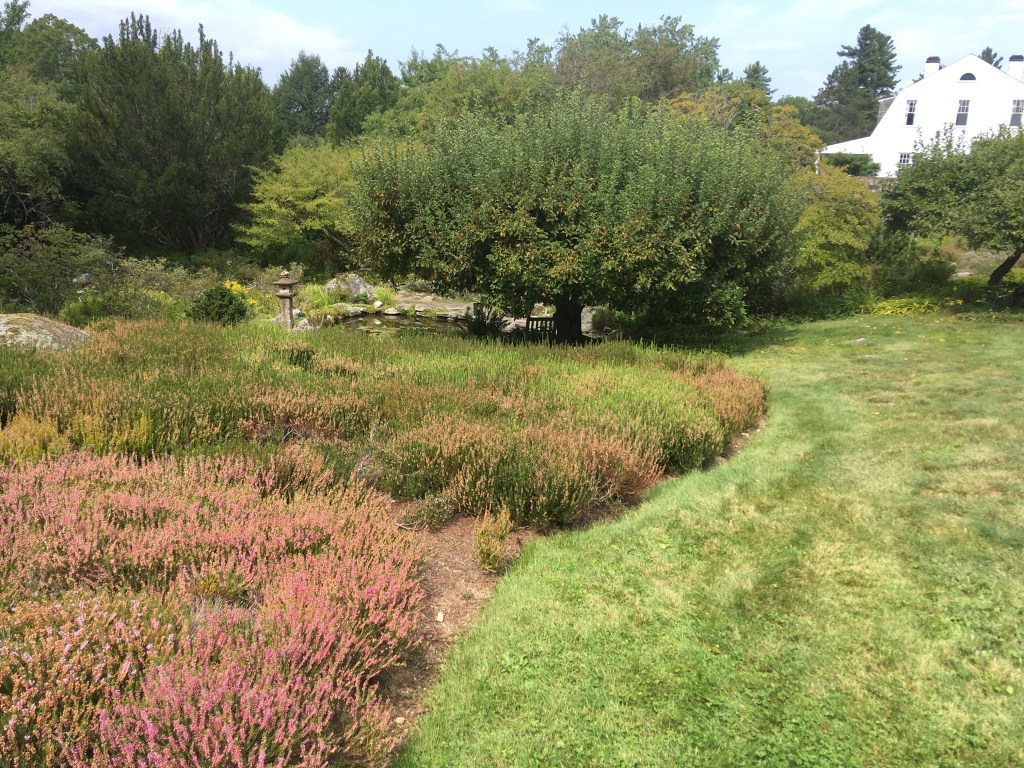
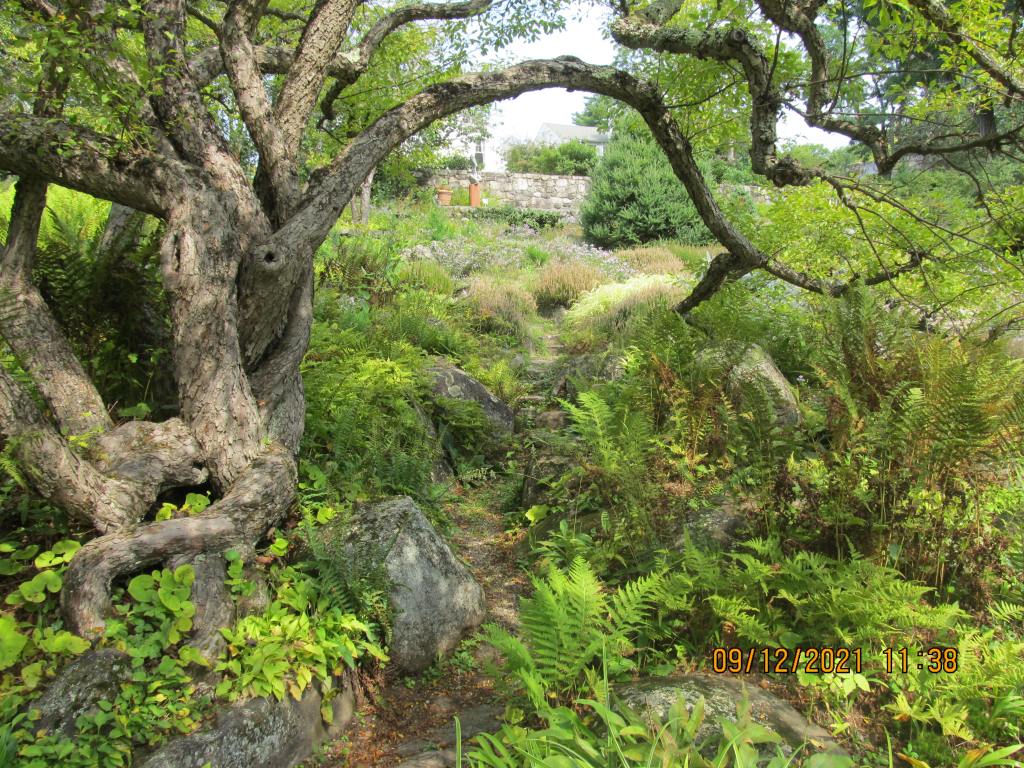
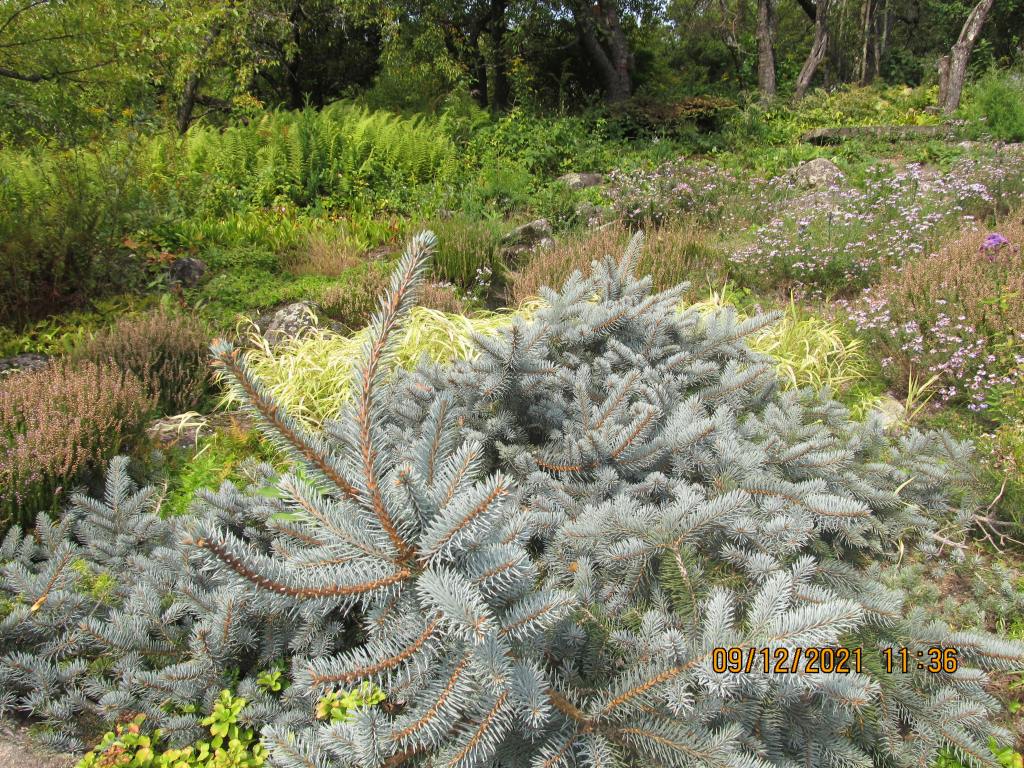
Here are photos from yesterday’s day trip to Newbury, NH, and the estate of John Hay, Theodore Roosevelt’s Secretary of State. Since my camera’s memory card overloaded I will post photos my sister took on her camera phone as soon as she sends them to me.
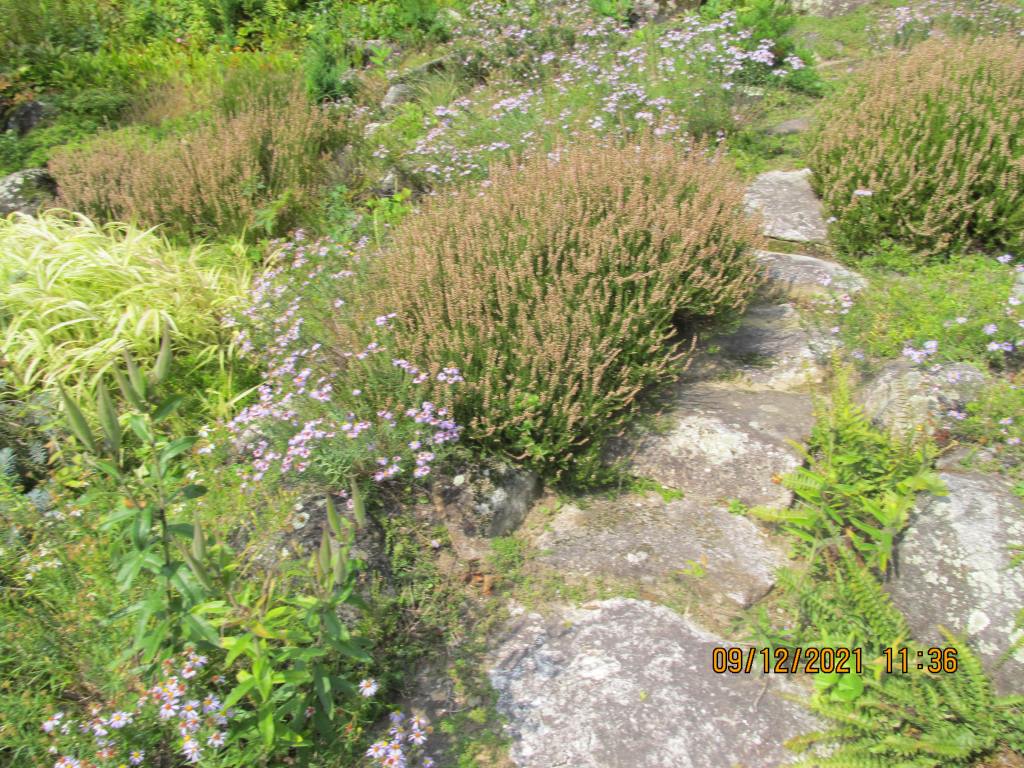
The above photo shows the Bristly aster blooming in a rocky spot where Scotch heathers are thriving. How I wish I had visited earlier when the heathers were in bloom-
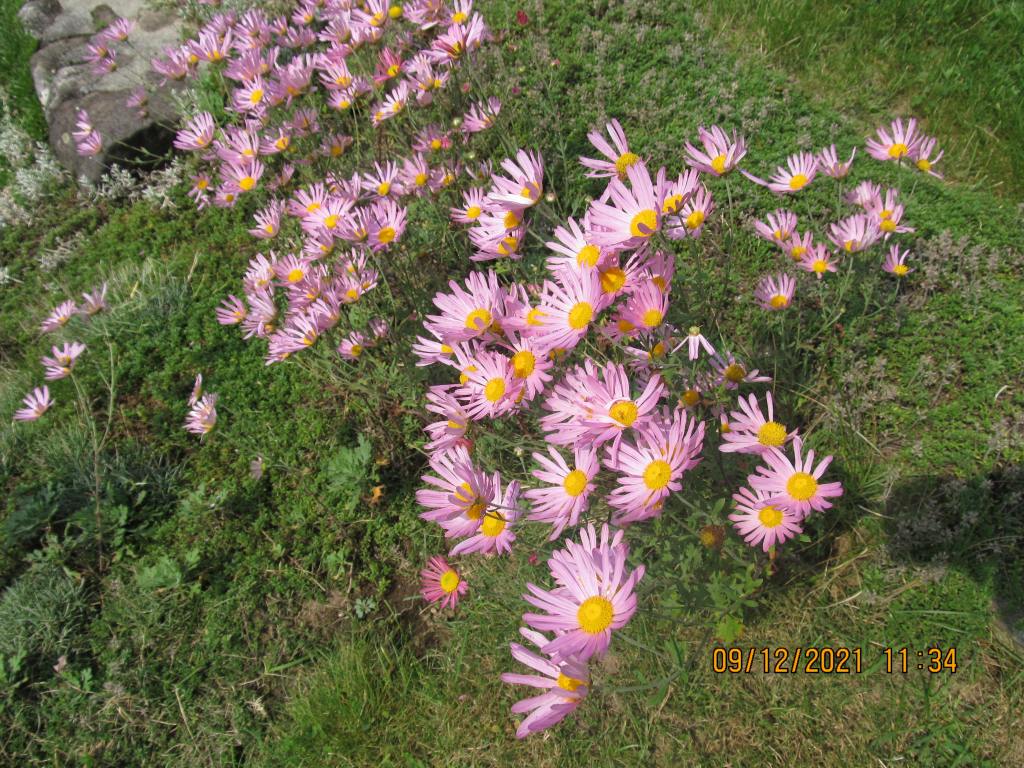
Clara Curtis chrysanthemum
I was disappointed that the Aconitums in the long border below the house had already bloomed and been cut back, but there were large drifts of New England asters in bloom. I will post those photos later, as well as pictures of the “Old Garden”, which has recently been renovated.










 Gardening On Granite