Goffstown Historical Society Garden- Blooming Now.

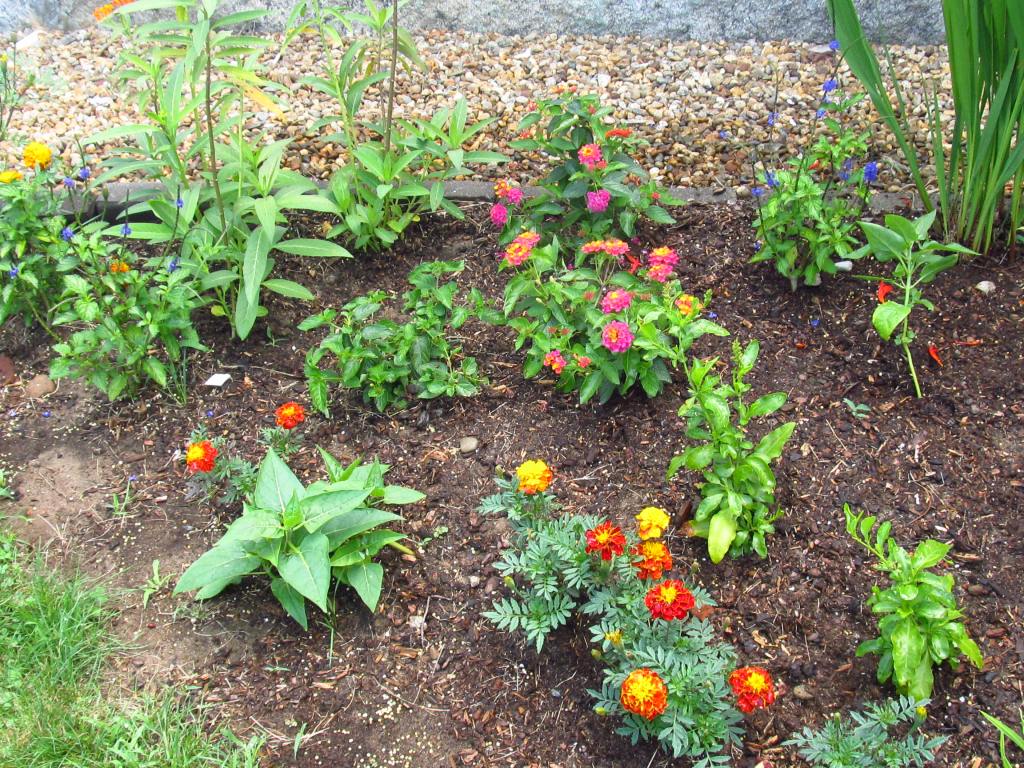
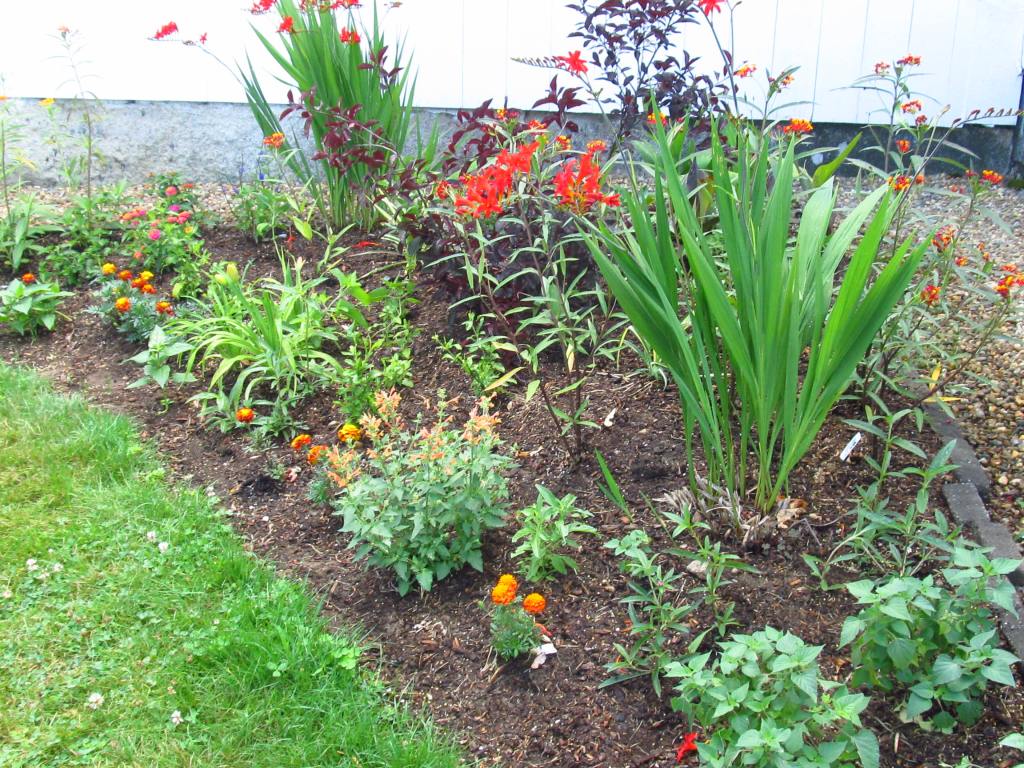
In the Sunset Garden above, Agastache, French Marigolds, lantanas, crocosmia “Lucifer, and the Blue Porterweed are blooming. The porterweed is planted in butterfly gardens all over the country. It is a tender perennial, along with the tropical butterfly weed also shown here and a mainstay of bird, bee, and butterfly gardens.
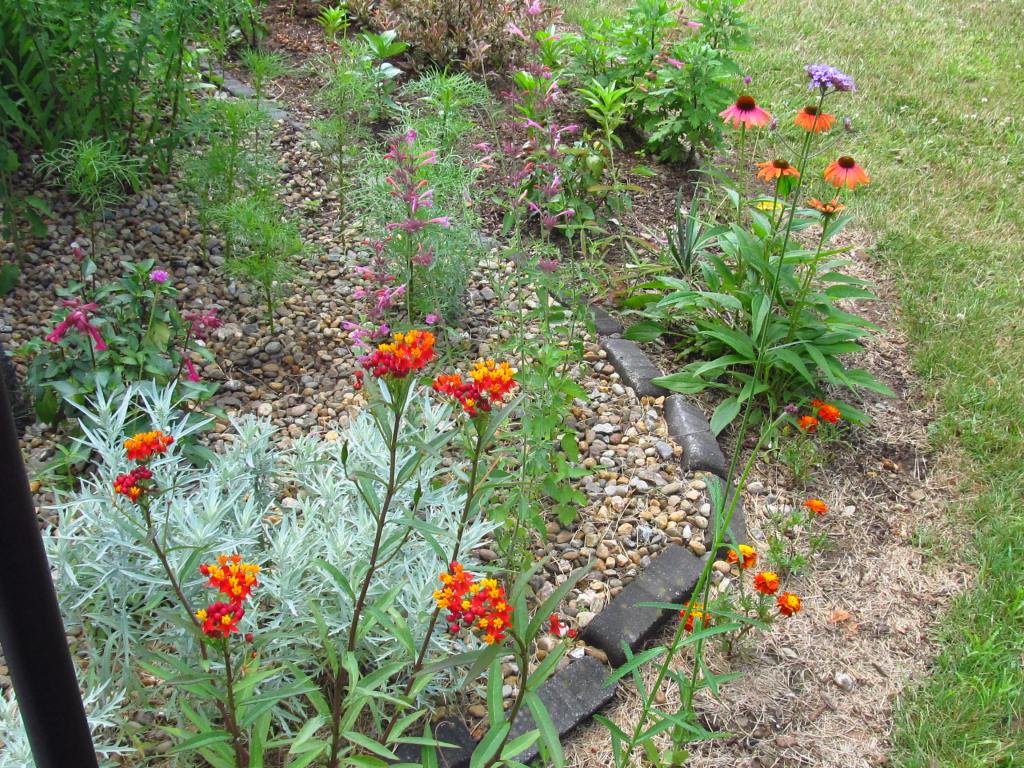
Rounding the corner, the Sunset Garden continues in front of the main porch with Wendy’s Wish salvia, more butterfly weed, Agastache “Apache Sunrise”, and the coneflower “Rainbow Marcella”.

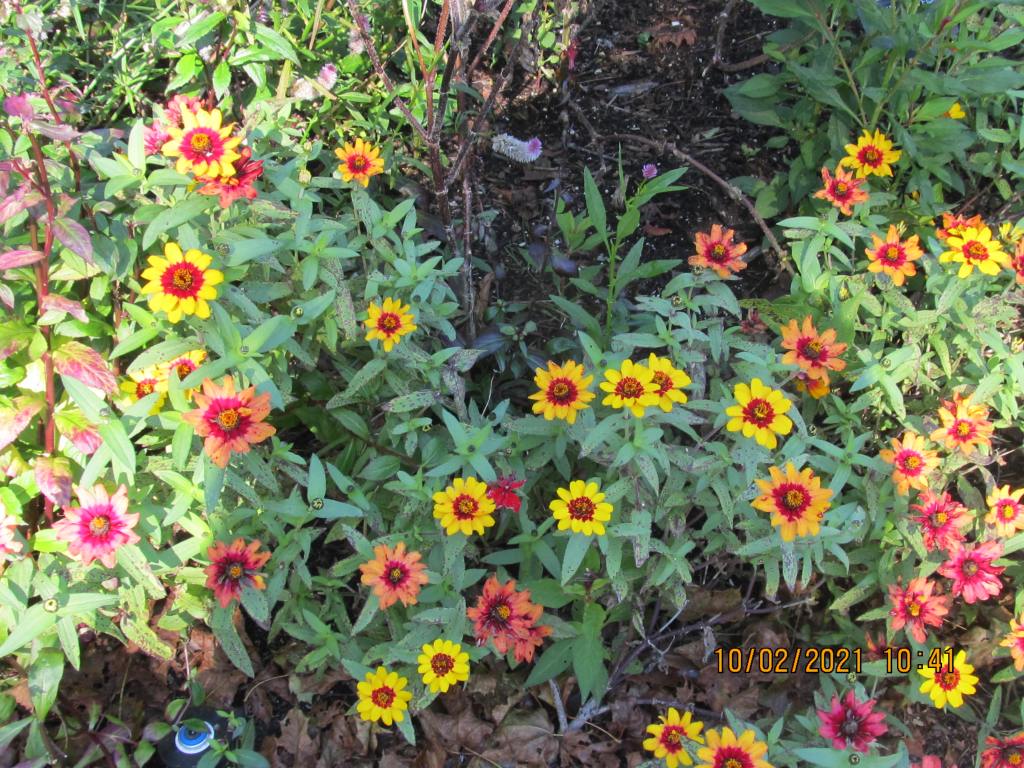
The first of the seed raised zinnias are blooming.
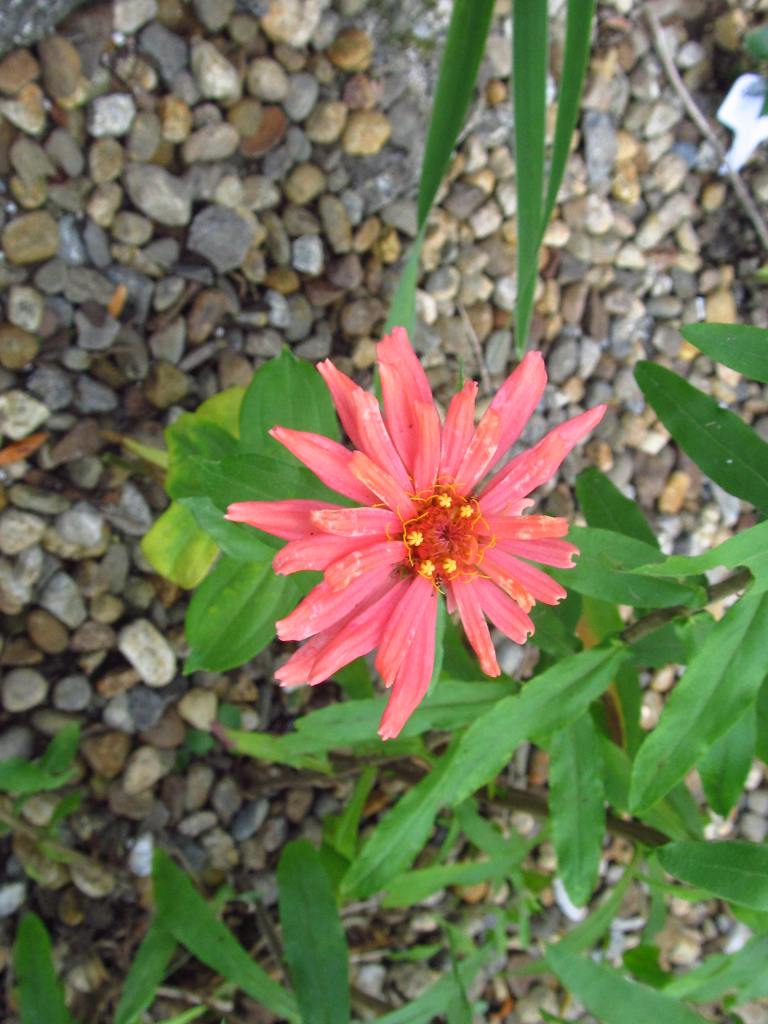
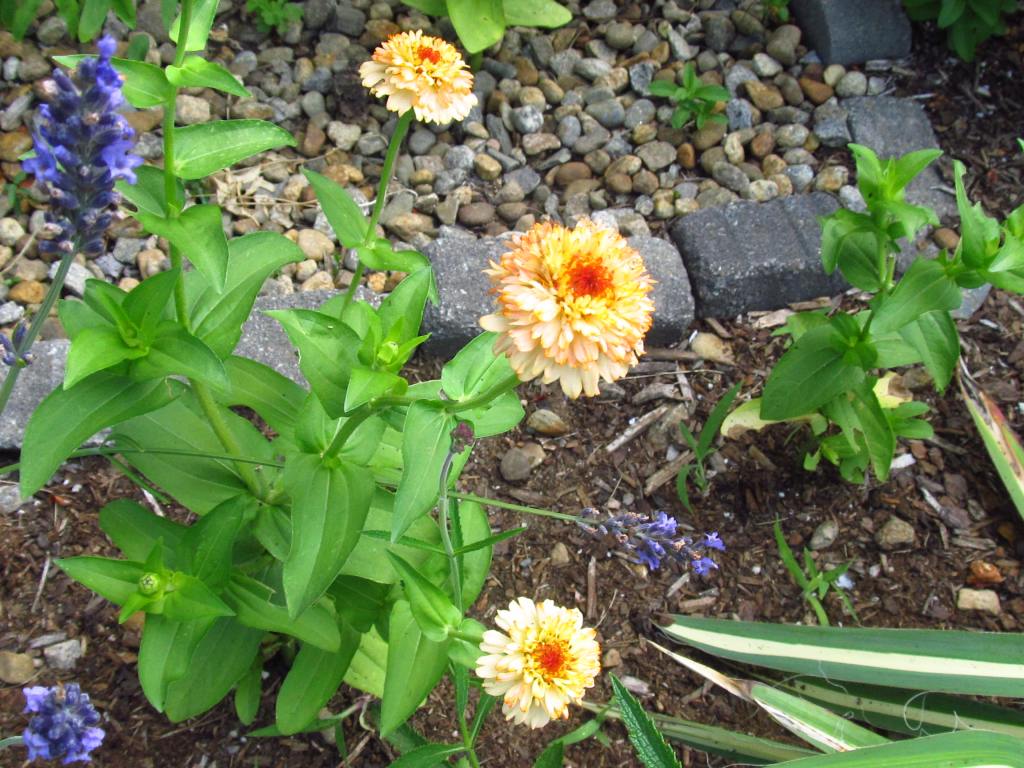
The above is zinnia “Senora”. Below is “Zinderella Peach”.
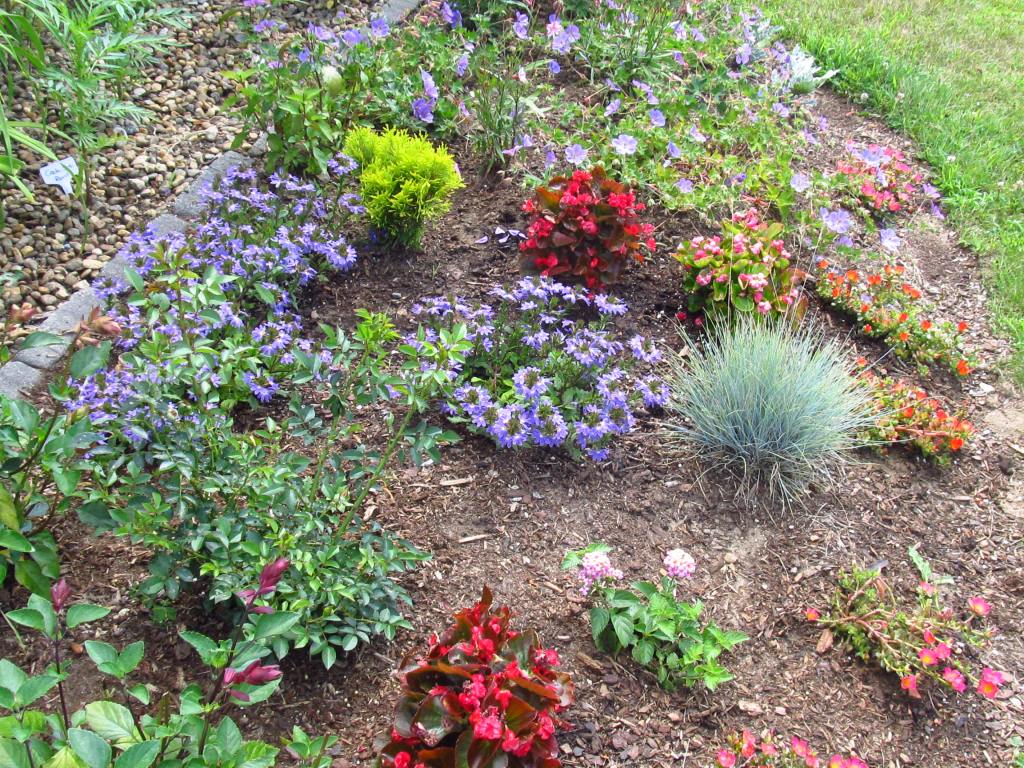
More sunset colors, but still too much mulch showing. The gaps will fill with zinnias and lantanas. The ground cover portulaca oleracea is in the above photo. It blooms from mid morning on. I tried growing this in Nashville after seeing pictures of it growing out into the gravel at the Montrose gardens of Nancy Goodwin in North Carolina. Unfortunately it was decimated by rabbits, which are not a problem here.

A year ago tomorrow, I took a walk along the pedestrian path on NH Rte 114. I parked at the Historical Society, then walked down to see the fields of centaurea and Bouncing Bet in bloom. I then wandered up to the museum and saw gardens in need of weeding. The only plants besides weeds were more Saponaria, some handsome clumps of daylilies, and large beds of non blooming never divided iris. I called the Society. offered to weed and restore the gardens, and here is where we are today.

The museum is in the old Parker General Store, designated a National Historic Site. Also on the grounds is an old time two room school house which was moved to the property and the Wait Station, from the old railroad line at the base of the Uncanoonuc Mountains in Goffstown. Nurses and workers sat inside this tiny building in bad weather, waiting for their ride to Manchester. Now its only visitor inside is me, for this is where the garden tools live along with a 20 inch garter snake.

Canna “Blueberry Sparkler”

A few years back, when helping a friend restore and replant her garden , I put this canna in a bed on top of a retaining wall. When it bloomed my friend told me “I usually hate cannas, but I changed my mind when I saw this one”.

This plant came from Plant Delights in North Carolina, and is in the restored garden at the Goffstown New Hampshire Historical Society. I do not see many cannas in gardens here, and when I do they are usually dwarfs.

More bloomers at the Historical Society are shown below.

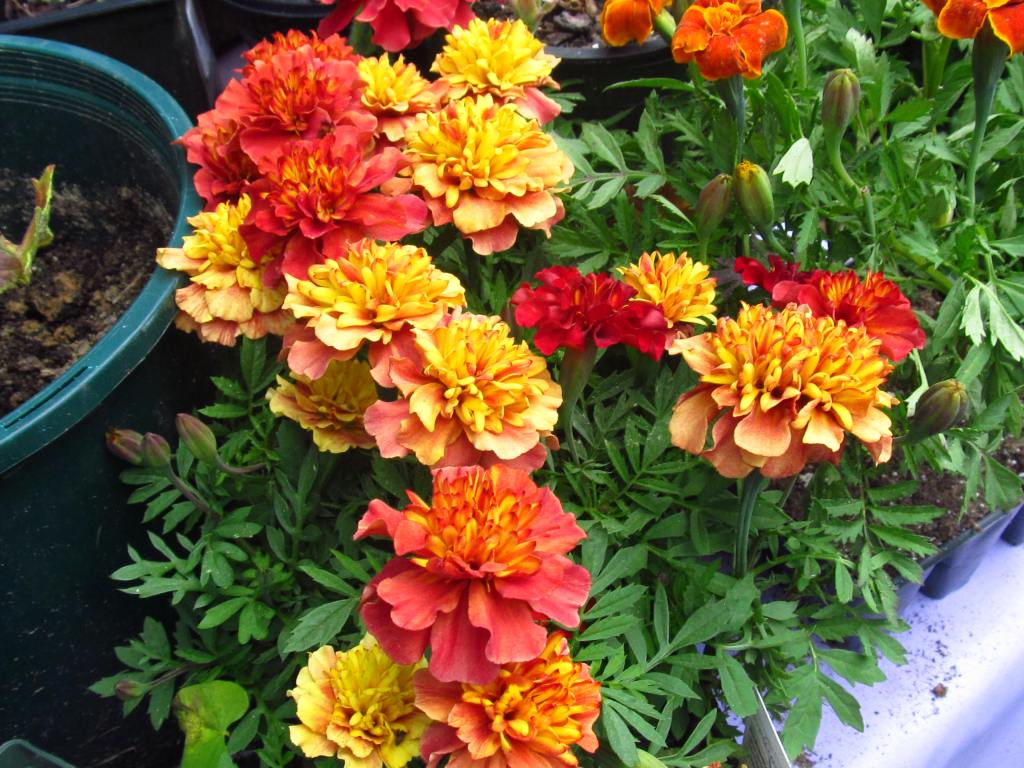
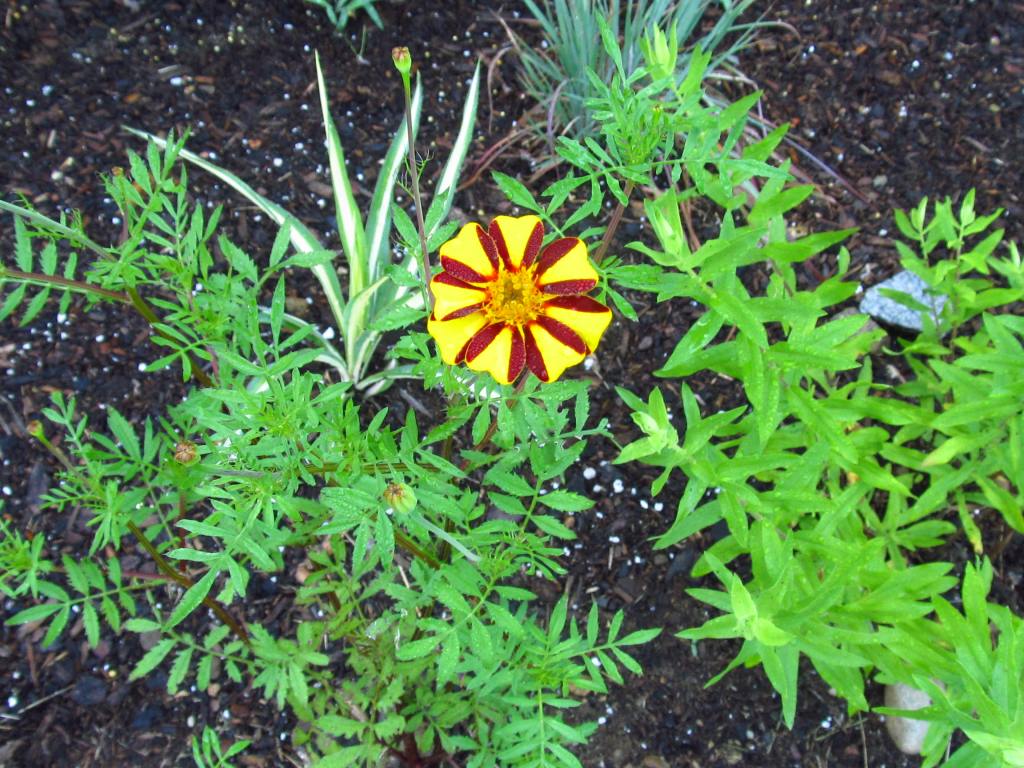
Above- The old fashioned “Harlequin” marigold.

/

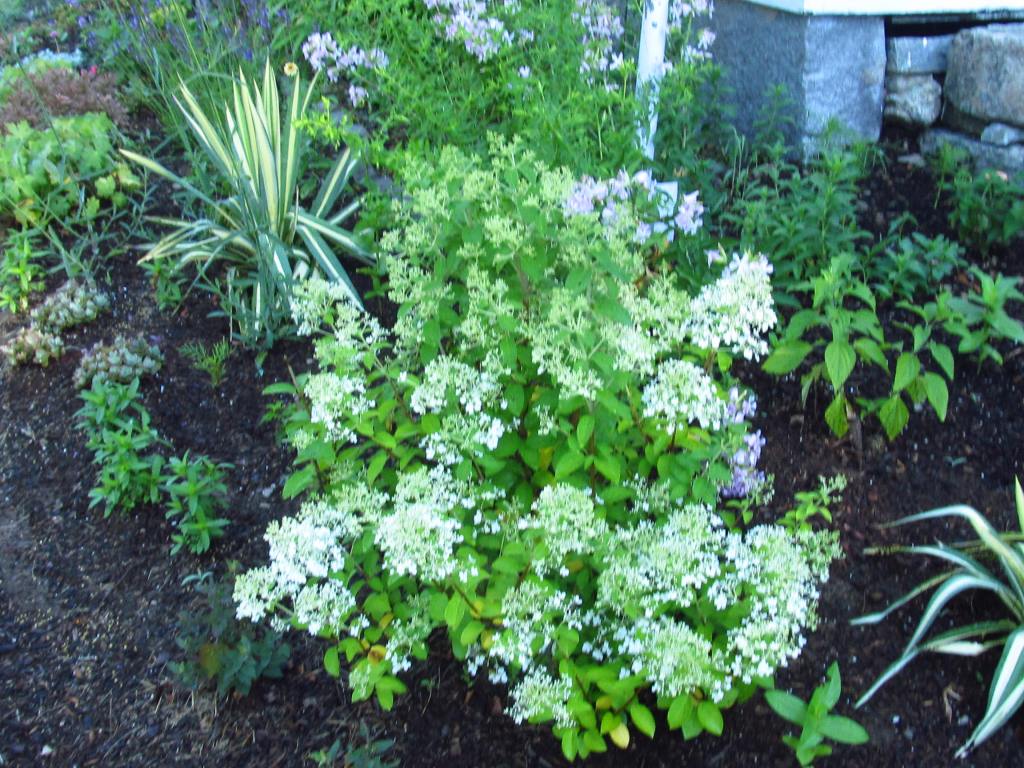
PG Hydrangeas are the Crape Myrtles of southern New Hampshire. They are everywhere, and most are large. This is the dwarf “Bobo”. A larger shrub would have been out of scale for this small flower bed.

In the Gravel bed against the large front porch I planted the agastache “Apache Sunrise”. I think its colors are sublime-

/

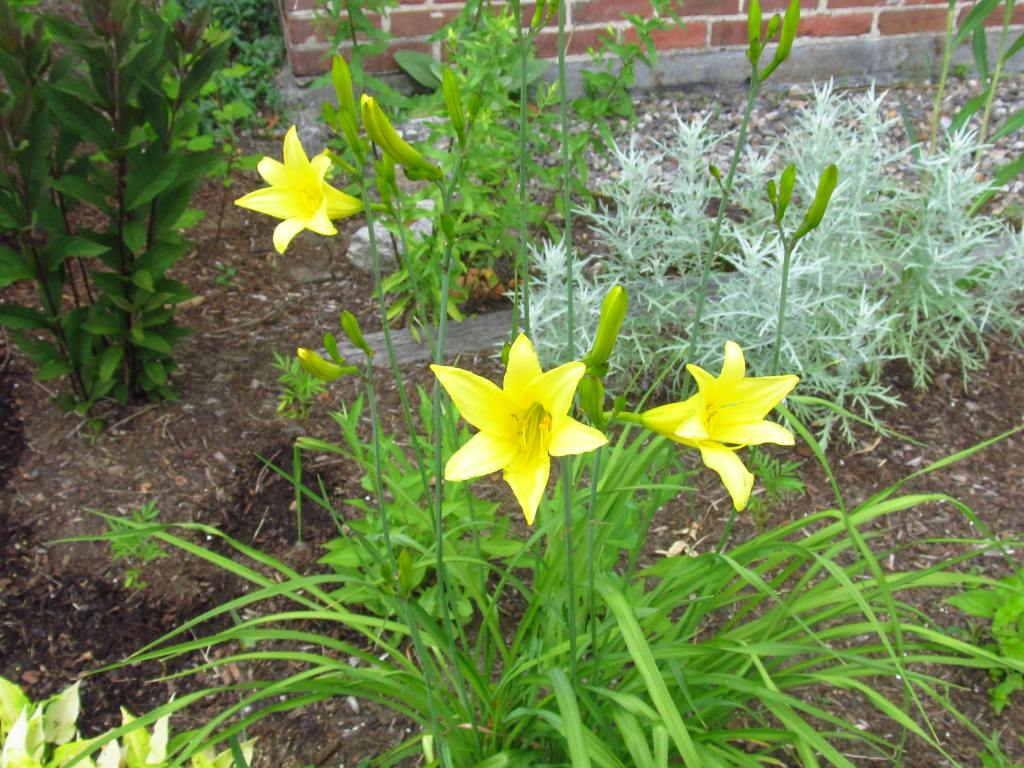
Next is the classic daylily “Hyperion”. Big clumps of this were donated to the garden by Mrs. Jo Rumrill of Pinardville. They originally came out of the garden of a Goffstown High School football coach who planted his flowers as a memorial to his daughter.

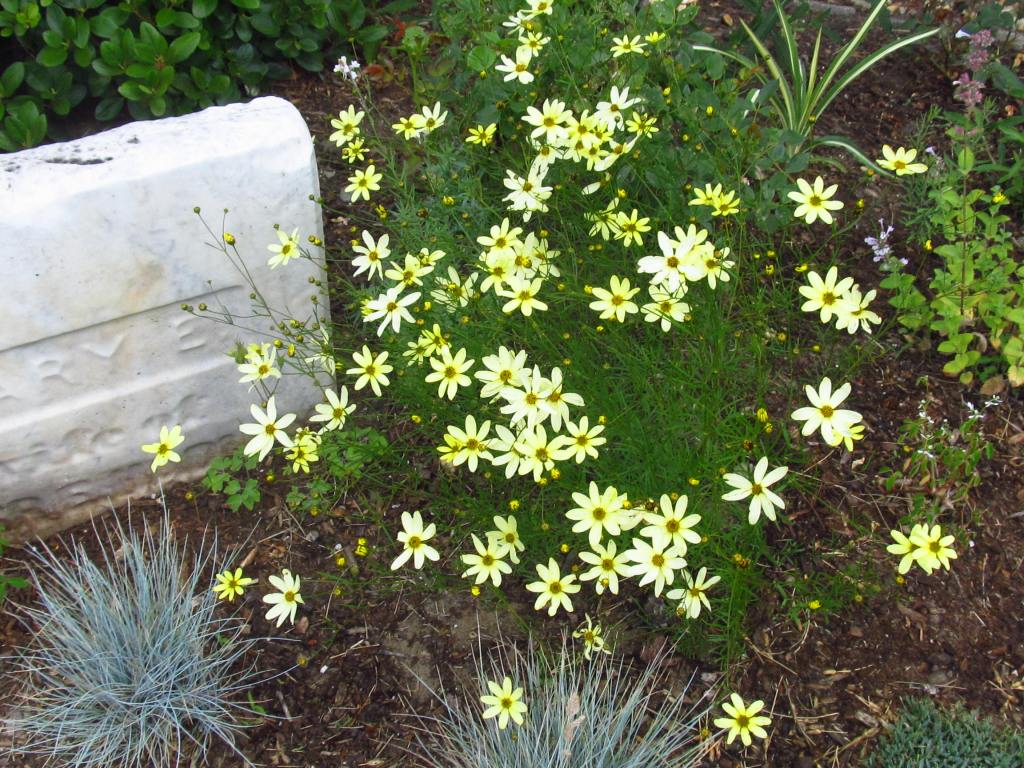
Next is the dainty “Moonbeam” coreopsis. It is planted near the headstone of a mysterious “Mary”, who is of course resting somewhere unknown.

We were lucky that we had storms last night, for the water hoses have been kept busy by too many nice days in a row, one definition of a drought. Rain cleanses leaves and is the elixir that nothing out of of hose can equal-

Some Little Marigolds

Marigold “Strawberry Blonde”

In spring and early summer here in New Boston a pop up garden center appears beside the hardware store and Dodge’s grocery. It is not large. It is not open for long, but I drop in when I can because I have found plants there that I have not seen before and am afraid I might not see again. Here is where I found Plectranthus ” Velvet Elvis” with its exotic corrugated leaves with a deep purple underside and wondrous salvia like lavender flowers that bloom when the days shorten in August.

This spring I found marigold “Strawberry Blonde” and I brought two packs home for I cannot resist sunset colored flowers.

Down the road past Goffstown, I found this glowing little unnamed French marigold at Devriendt Farms nursery. It reminds me of “Queen Sophia” whose seeds-except for one- failed me this year. This is a worthy substitute.

Marigolds are obliging plants. One can dig the smaller ones up and move them around at will , and if towards late summer you feel you need more for autumn color, all you need to do is cut off some of the lateral branches , put rooting hormone on the stem and stick them into a small pot of moistened potting soil or half sand and half Vermiculite. Seal them into a plastic zip lock bag and wait about two weeks. Rooted, they can go right out into the flower bed. (I keep my cuttings in summer in the house, away from heat and sunlight).

Pay no attention to the haters of annuals and the gardeners who despise bright colors. Two of the greatest gardeners who ever lived-Gertrude Jekyll and Elizabeth Lawrence- loved them and loved marigolds. To quote Miss Jekyll annuals ” put on a brave show, when a brave show is needed”.

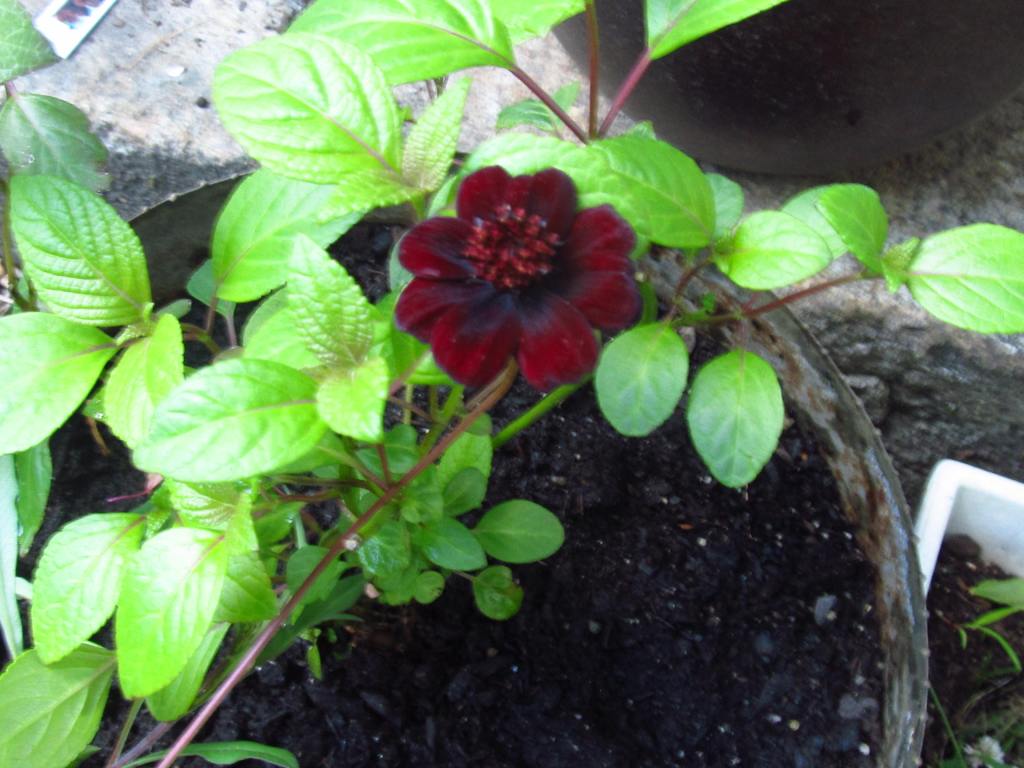
The Chocolate Cosmos

My sister and I drove to Spring Ledge in New London yesterday. She was searching for two shrubs to plant in her front border. I did not know what I was searching for, though I always know what it is when I see it.

There was an incomparable pale pink scaevola in some of the pre-planted containers, but there were none for sale in solo pots. I knew we should have visited earlier in June-

Then, in one small pot in the greenhouse I found the Chocolate Cosmos, a tuberous Mexican perennial I first read about in the 90s in Alan Lacy’s “The Garden in Autumn”, one of the books that has influenced my gardening the most.

I have planted it in a pot alongside another Mexican plant, the Chiapas Sage, and it sits on my front doorstep. Its name is no misnomer. It smells strongly of chocolate. Never before have I seen this plant for sale, even in the Nashville garden centers.

We would have lingered longer in New London, for it is a town of gardens worth seeing, but there were low clouds hiding Mt Kearsarge, and wandering about would be for another day. We went home early to escape a cold persistent rain. The weather in the past week has been abnormally chill, and two nights gave me a fear of frost. though I live in the tropical part of New Hampshire and not in Labrador like Berlin and Colebrook where nights did go to 32 degrees.

We did see this colorful bit of bedding out in front of a business on the main street in New London where we ran into a coffee shop to fortify ourselves.

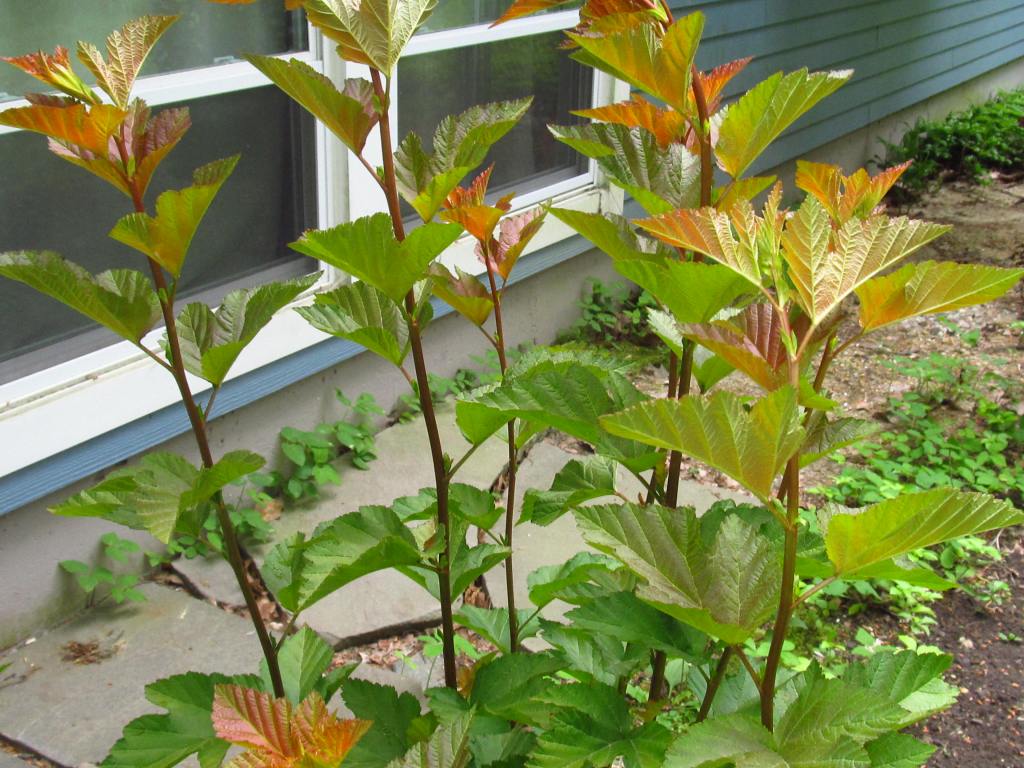
My sister did find her shrubs. Here is one- an amber leaved Winebark.

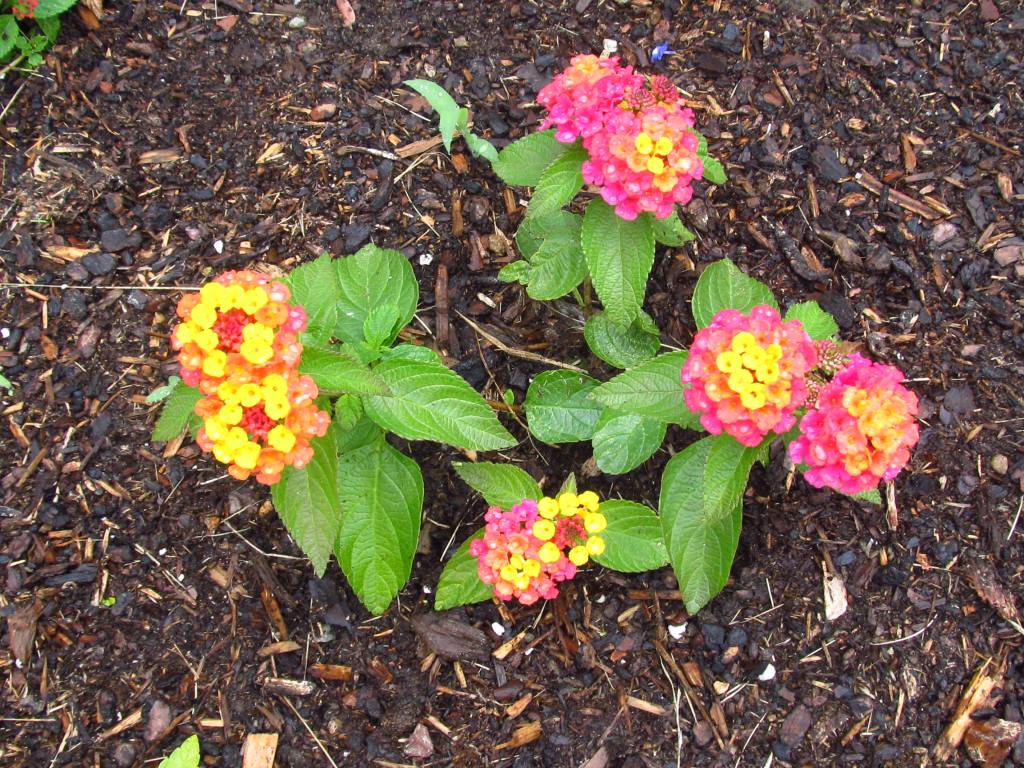
90 degrees is coming this weekend, and I am happy for all the cosmos, marigolds, and zinnias I have planted that have been shivering. I am also glad for the lantanas, which also want heat. Prior to this season, the sprawling, climbing, spreading lantana “Miss Huff”, a soft orange, was my favorite, but now there is this one- Lantana “Rose Sunrise”, which I bought from White Flower Farm”.

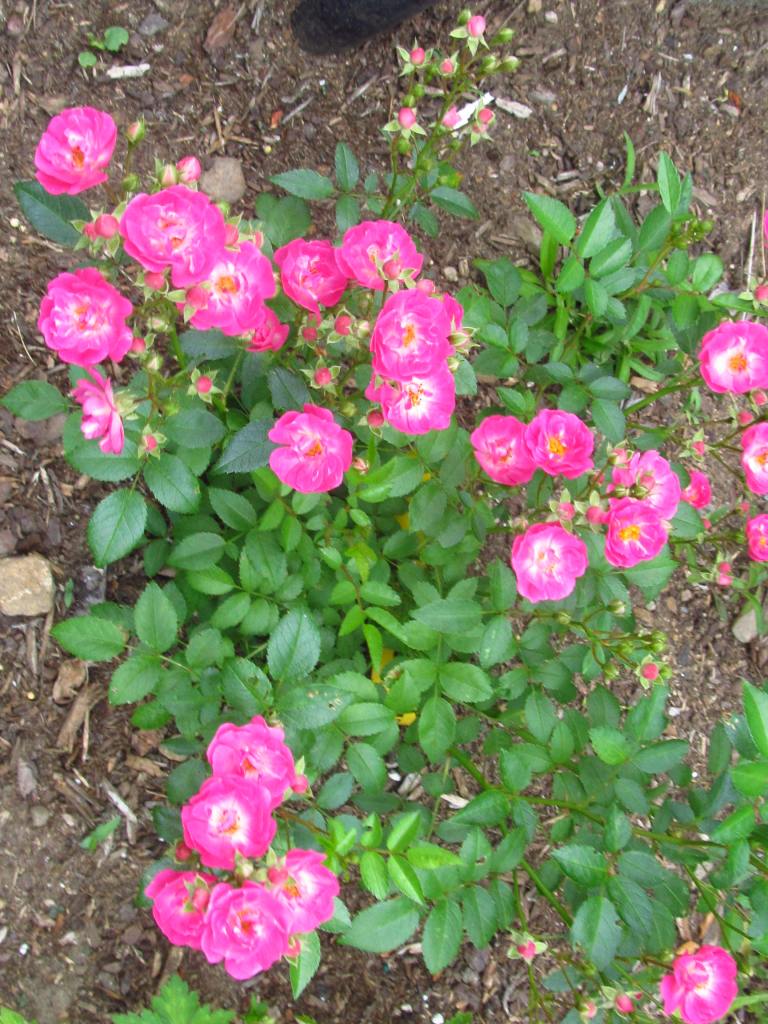
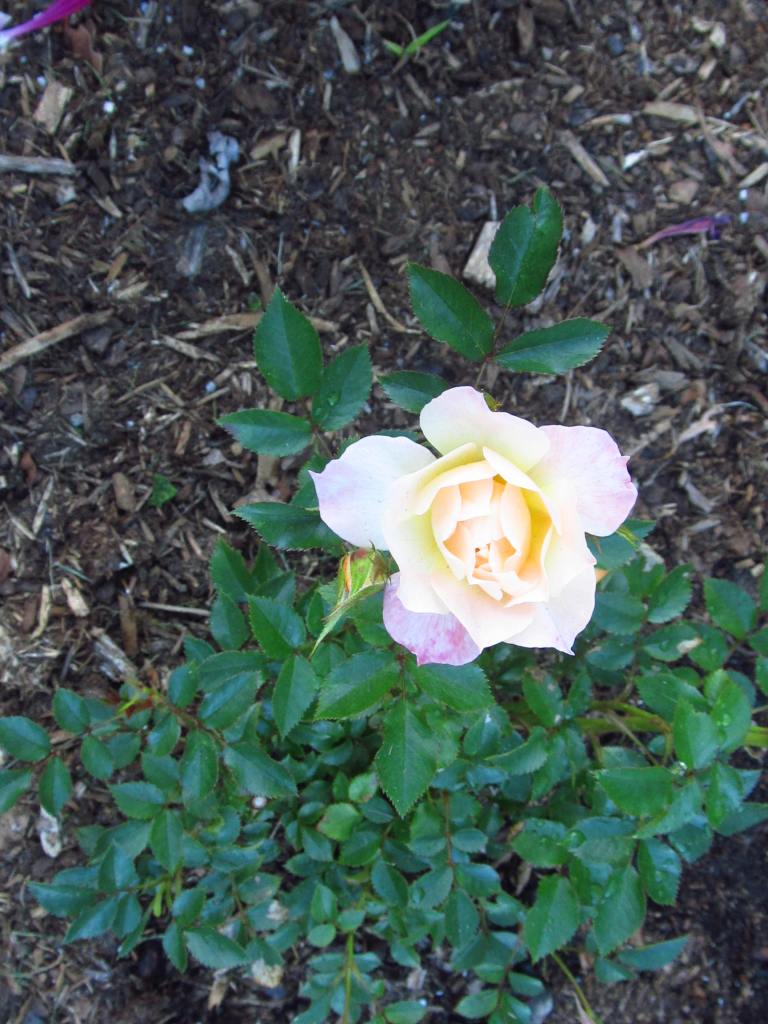
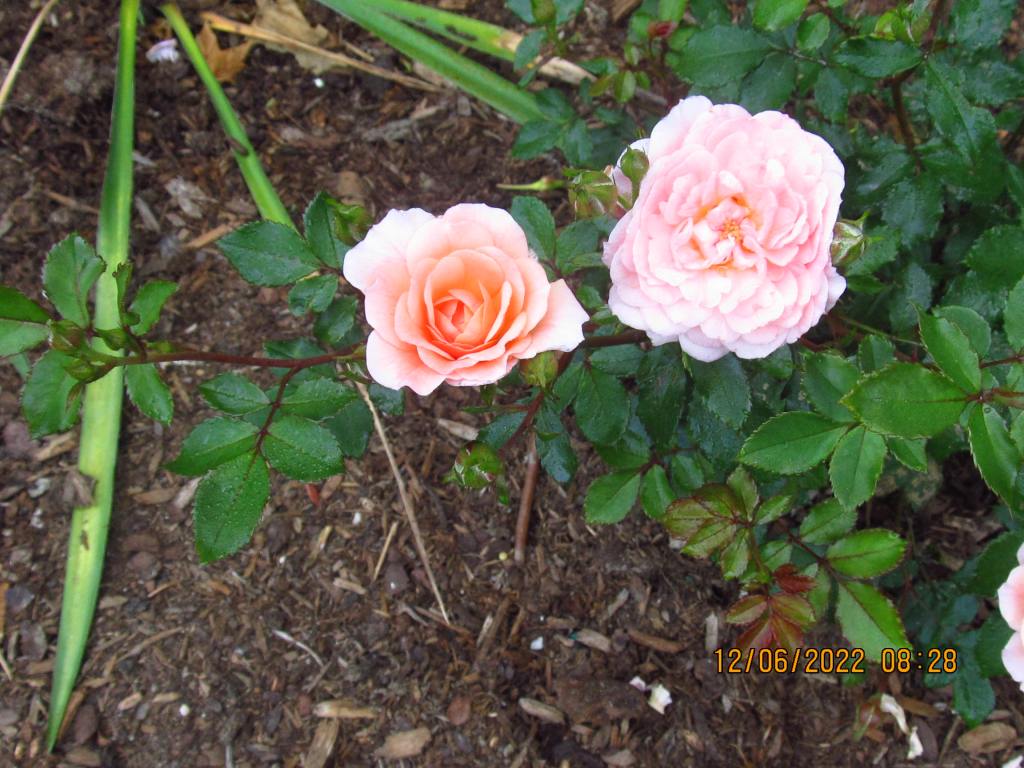
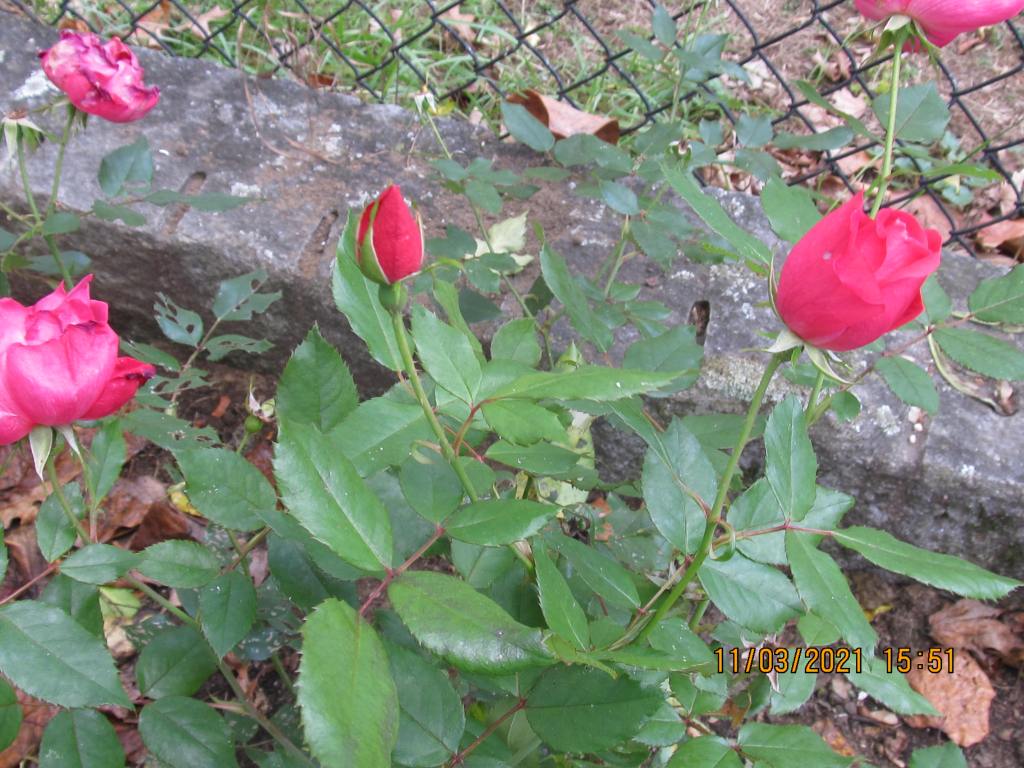
And here is another new bloomer at the Historical Society garden- rose “Pretty Polly Pink”. Quarter sized blossoms on a miniature plant with lustrous green leaves.

The Month of Roses

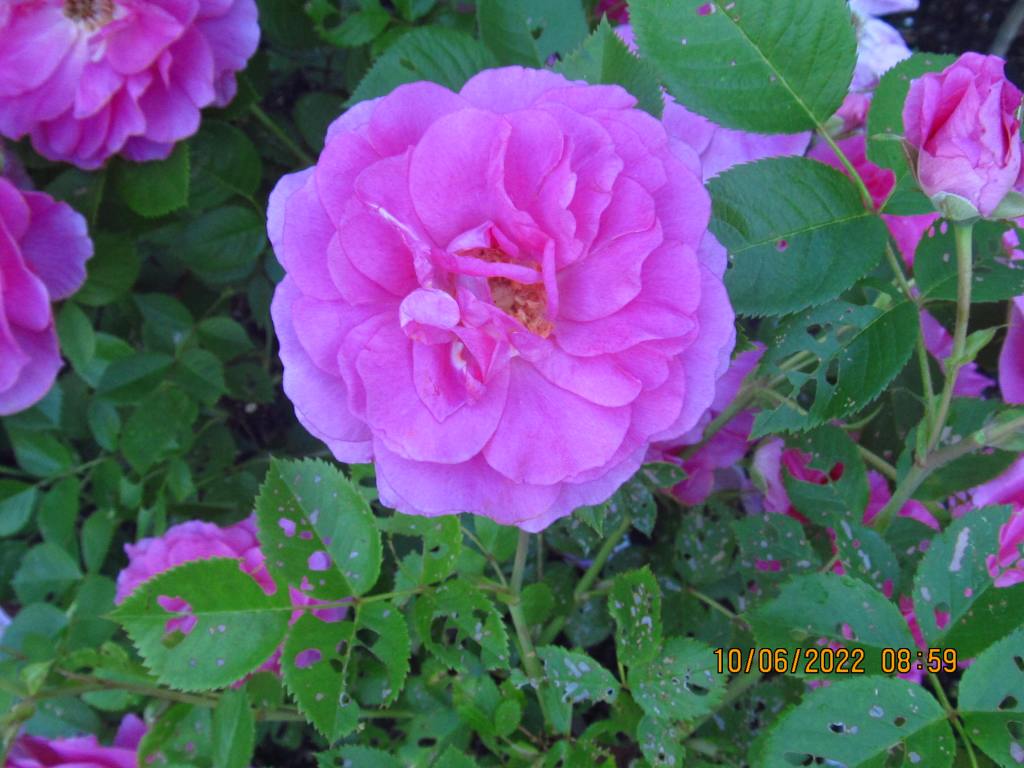
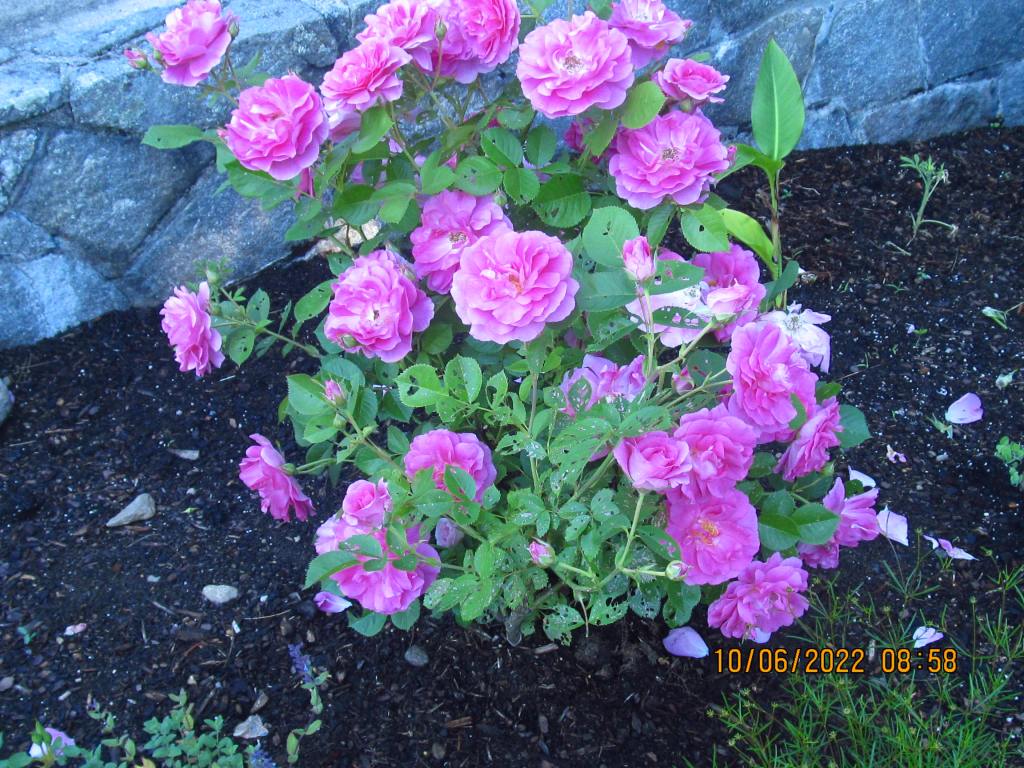
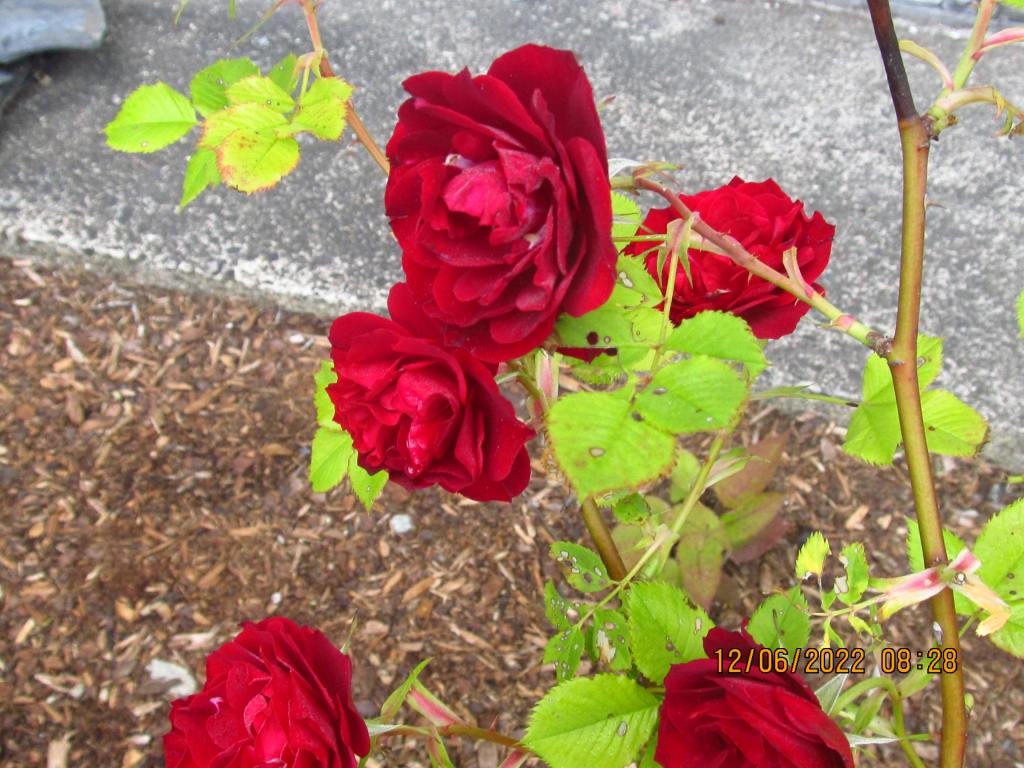
“Morden Centennial”

Note- Time Stamp is wrong on some of these photos. Purely an operator malfunction!

“Morden Centennial” is a rose out of Canada, so I was not surprised that there was no dieback through this past winter. No disease either, though the leaf holes and damage come courtesy of the wicked Sawfly which lays its eggs on the back of the leaves and turns them into lace. We are spraying this weekly with both Insect soap and Neem. We hope to limit the damage. I have observed that the more matte the leaves are, the more the pests like them. The smaller groundcover type roses with shiny leaves seem more resistant.

For example, here is the small ground cover rose”Oso Easy Double Pink”.

Note the lustrous undamaged leaves. No mildew, no blackspot. A gentle, charming little thing!

Another nice little Oso Easy rose is “Italian Ice”.

Both of these roses fit nicely into small flower beds.

“Sunshine Happy Trails” is another modern repeat flowering rose . It is another groundcover rose, and has good foliage. It is hardy here in 5b.

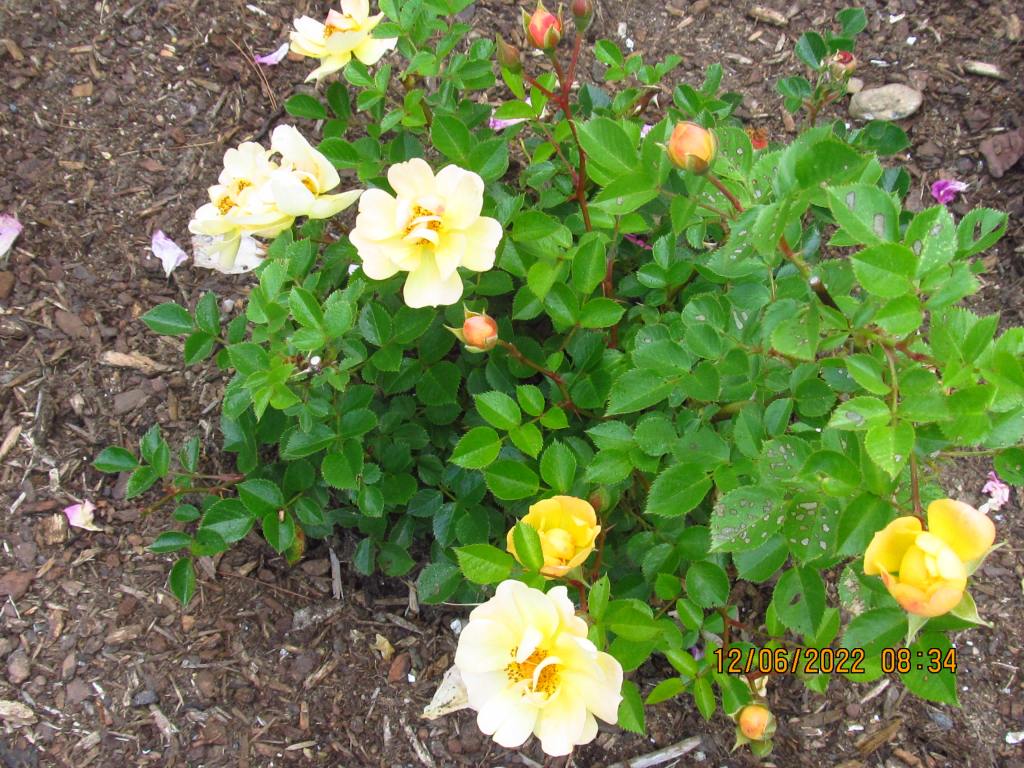
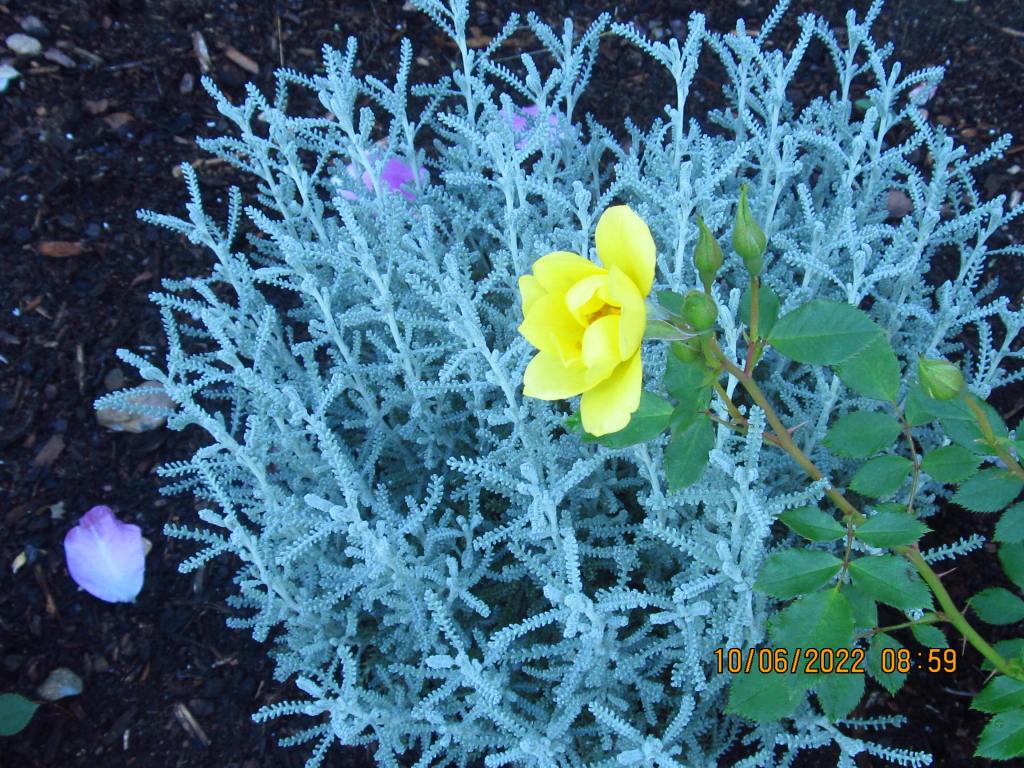
This next rose is “Lemon Zest”. It is more vulnerable to Sawflies, but I have not seen disease. Yellow and gray- The rose and santolina compliment each other.

Beautiful in color, but a little feeble, is Coral Knock Out. It dies back in winter, and is a Sawfly favorite. We are going to spray it weekly and keep it, for the color is stunning.

Beautiful wine colored blossoms and beloved by sawflies to the point of disfigurement is “Hope For Humanity”. If we cannot spray the problem away, we will discard the rose.

I cannot recommend this rose.

Last of all, and without a photo, since I did not have my camera the day it bloomed is the rose “At Last” . It came from White Flower Farm, and how seductive it looked in their photos. It cost $ 35 dollars, is on its own roots, and was planted in May. It has turned out to be an eyesore. It does not grow. Its stems collapse onto the ground. A sad little thing that is going to meet my shovel the next time I see it, and will be thrown up into the puckerbrush and the barberries.

When “Pretty Pink Polly” and “The Fairy ” bloom, I will post photos. They are small pink and double with fine foliage The later is legendary, and has never been surpassed.

How happy we in New Hampshire should be that we can still grow roses. That the Rose Rosette plague is still to our south-

The House with the Stovepipe Hat

When I work in the garden I volunteer in, I can hear a Wood Thrush up in the trees, Canada Geese honking on their way to the river, the argumentative back and forth of the House Sparrows.

But nearest and loudest of all is the bubbling song of the House Wren, familiar to people everywhere.

Leave your watering can untouched for two weeks and these tiny squatters move in. Go to water your hanging fern and find wren babies inside.

The pair I see at the garden have a nest in the chimney pipe of the preserved old schoolhouse. I do not know if they are building a new nest or renovating an old one, or if there are already chicks in the nest of small twigs. Whatever they are doing, they do cheerfully, though there was an incident of sharp calls and alarm the other day as a foot long garter snake below rested on the gravel. I do not know if garter snakes can climb, but the wrens thought it a possibility

*********************************************************************************************

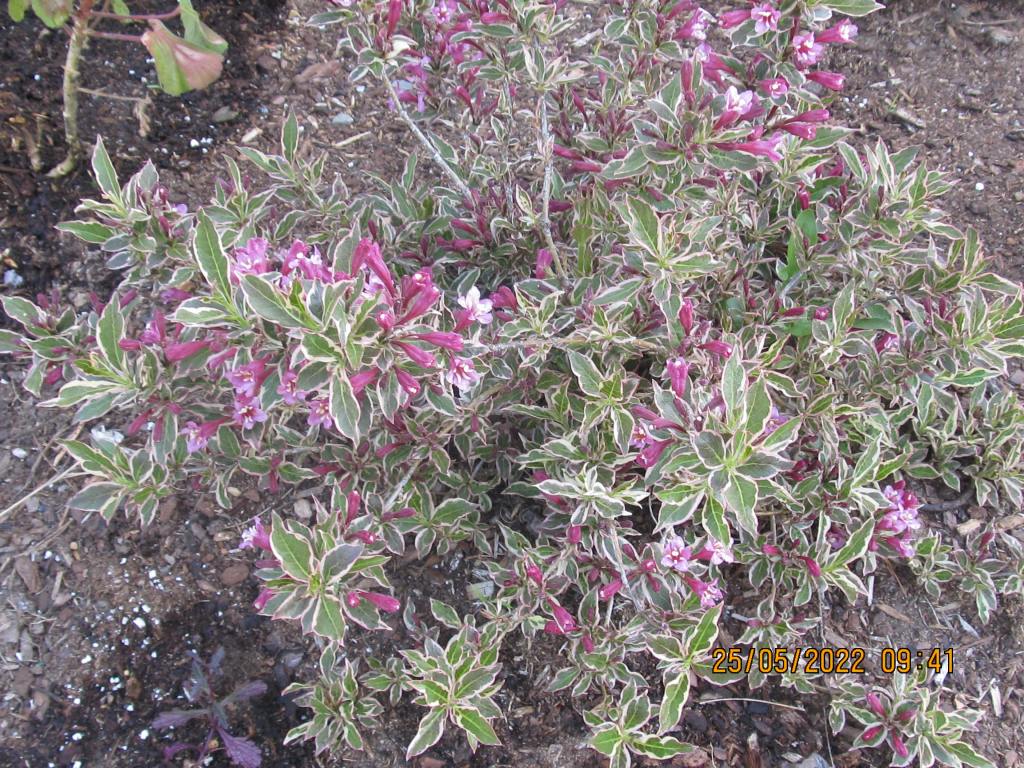
The compact Weigela “My Monet” is blooming now. It is a handsome shrub for small spaces.

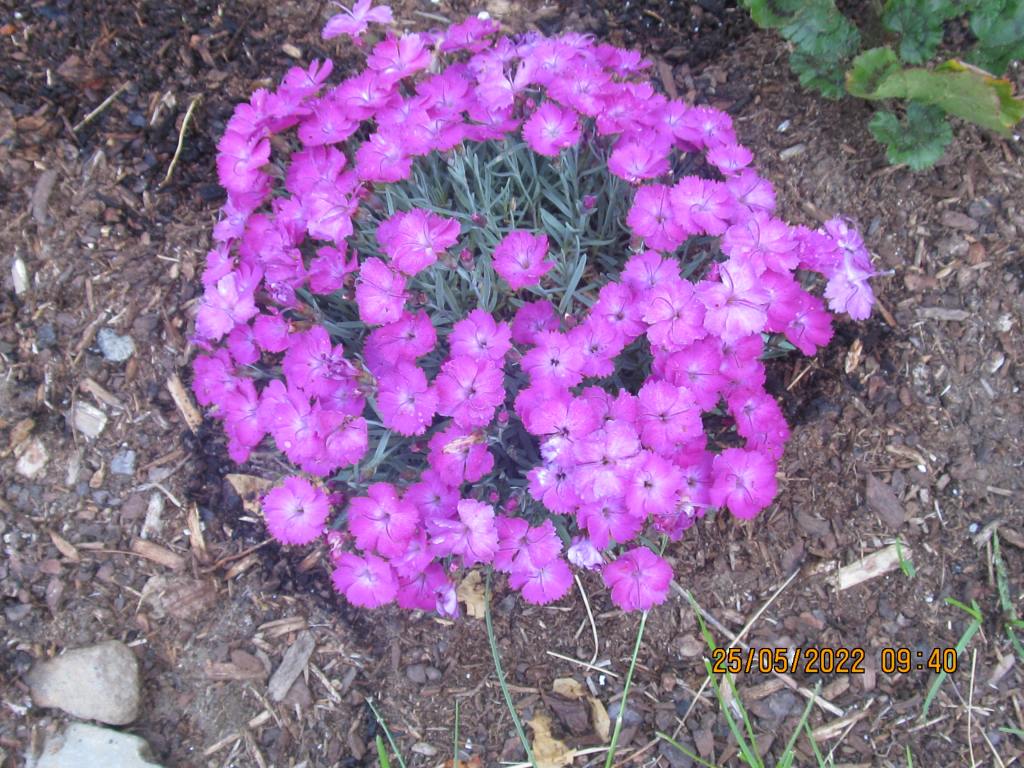
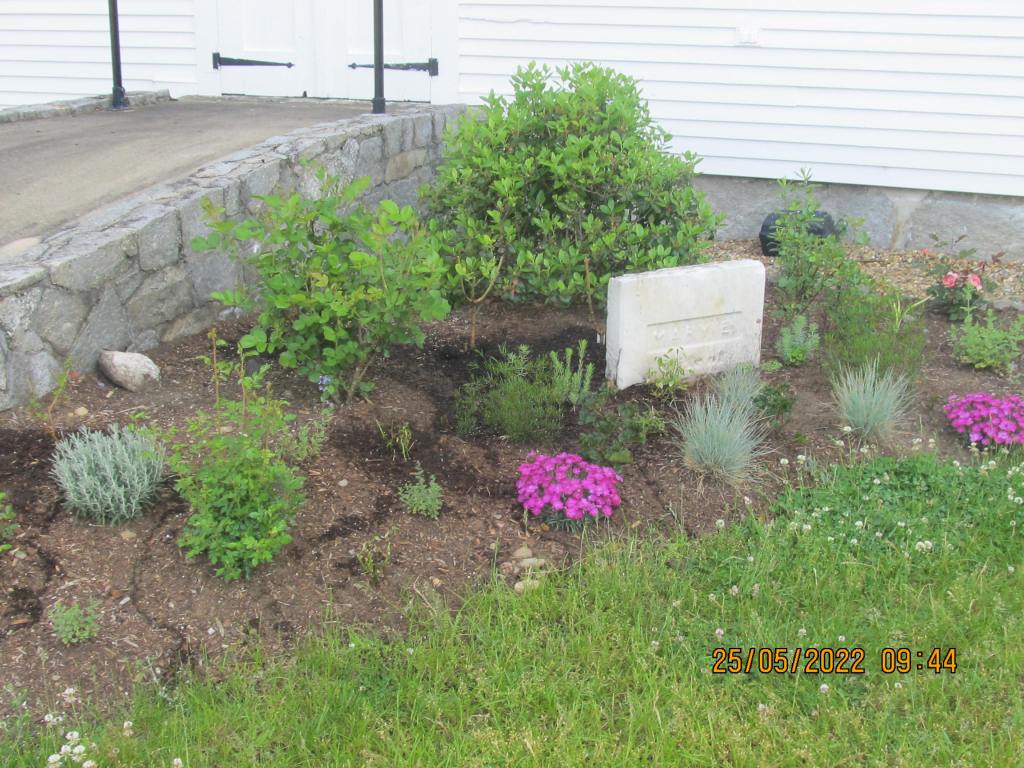
I chose this bun like dianthus for it spiky blue foliage, and not for its blooms. The color is a bit garish, but after the churlish, shivering New Hampshire spring all colors are welcome. It has joined purple toadflax, festuca, catnip ,lamb’s ears and santolina in the front of small rose bed. The center of the bed is a meagre headstone of the late “Mary” , who has no last name and is identified only as wife. How Mary and her headstone parted ways is a mystery.

Seedling Army

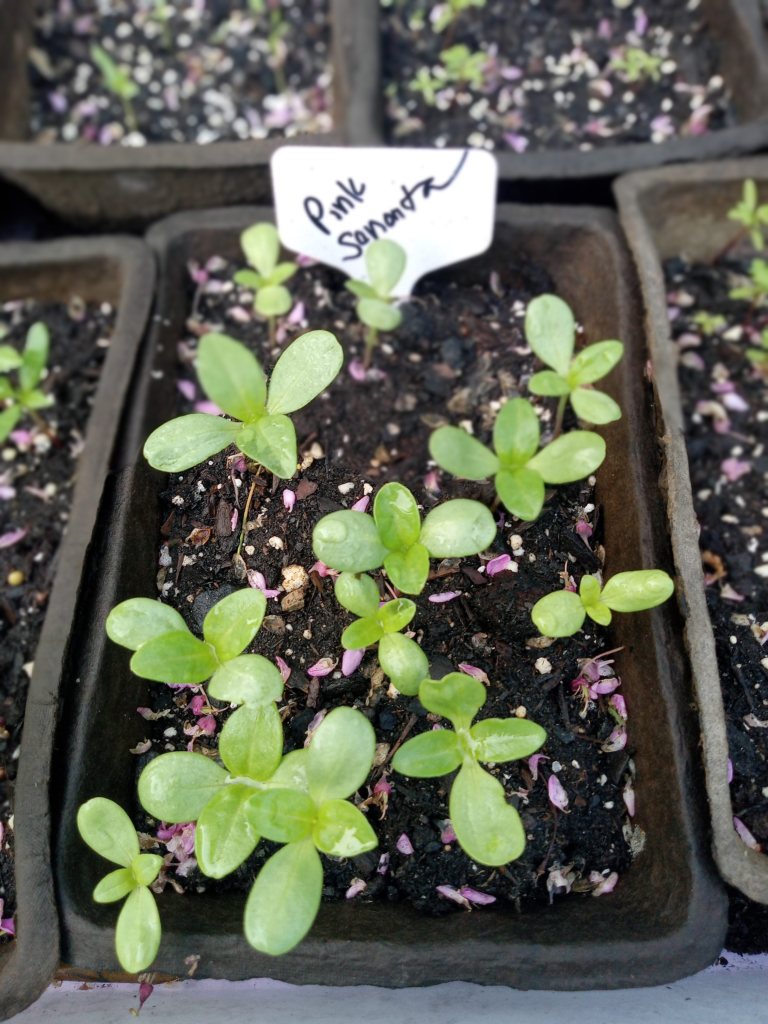
Pink Senorita Zinnia

I have over three dozen pots of zinnias, marigolds, and cosmos in my front dooryard. They are in Sterilite boxes that are easily covered when the chill and storms come. All are going to a small public garden at a local historical site in around two to four weeks or as soon as they are large enough. Unlike the cheaper generic varieties I set out last year, these are what I hope to be more dazzling and choice plants.

I hope. God knows they cost enough, and came with great credentials from seed specialists. I wanted elegant and refined, and at five dollars a packet for 25 seeds I should get it, though I am dismayed at the low germination rate of many of them.

The cosmos have the most failures. A variety called “Double Click” has four seedlings. A marigold heirloom from Sweden called “Burning Embers” never showed at at all. I will have to get seeds from my sister, whose expatriate Dutch friend has a similar variety.

Kudos though to the little “Gem” marigold and its filigree foliage. And to most of the zinnias. How glad I am to have a dozen of the marigold “Profusion Bi-Color”, which I admired last fall at the Heritage Gardens in Sandwich, Massachusetts. Here is a photo from that visit-

Today is hot and humid with storms coming. The atmosphere is that of a warm greenhouse, and how the summer annuals love it! Most have left their seed leaves behind and are adding millimeters by the day. I am hoping they will soon jump inches.

I hope to do a post soon on why I grow zinnias instead of dahlias and why I think there are zinnia varieties that are very similar in flower to dahlias, and which are easier to grow and a nice substitute free of fuss and bother.

Below- Summer field- New Boston

Nevergone

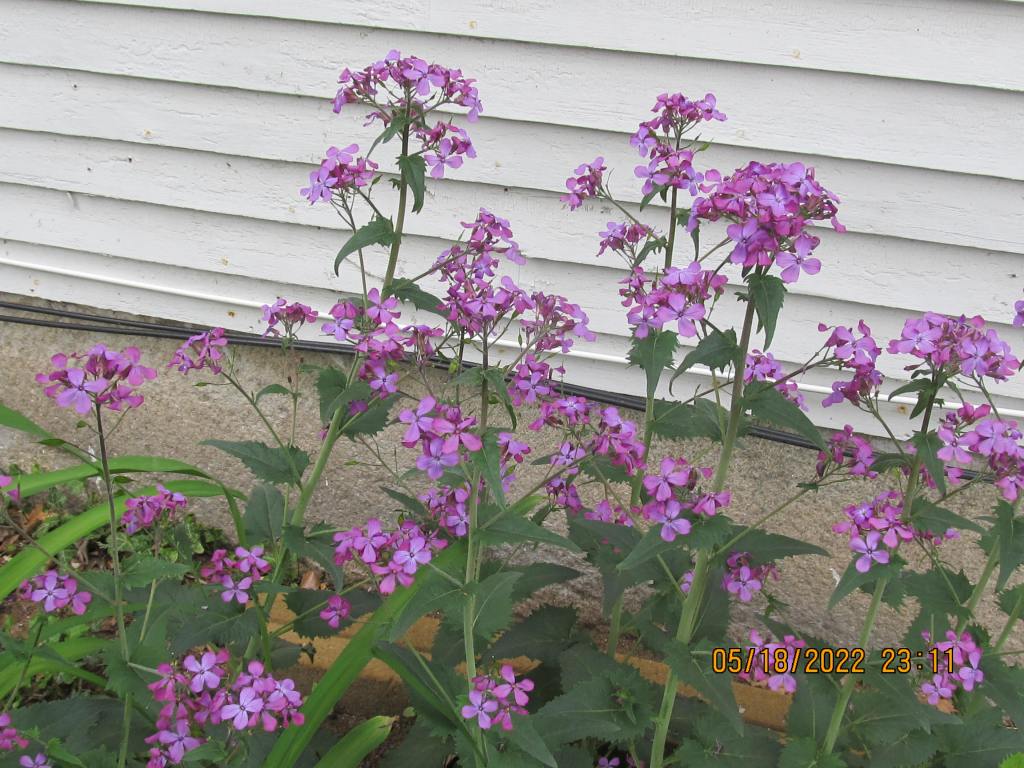
Honesty, The Money Plant

I think there are plants that deserve the name “Nevergone”. For no matter who first planted them, and how long ago, they persist on the roadsides and the old dooryards. and in long lost gardens out in the fields. Honesty is one of these, as is the old orange daylily, and the bearded iris. The last two persist by tuber and root. Honesty reseeds wherever it is safe from string trimmers, over weeding, and the smothering of mulch. It germinates the first year, blooms the second. Then it tosses its silver coins to the wind and soil to let them care for its descendants.

The part of the house I rent was built around 1740. There is a dam and mill pond behind it, and my landlady told me the original Colonial family raised twelve children in it.

Maybe they planted Honesty from seeds from an old cottage garden in England. Maybe in the next almost three hundred years someone else did. Maybe the same person who planted the yellow foxgloves down on the edge of the woods.

Last year my enemies, the woodchucks, chewed their way through half my dooryard garden. No more New England asters or phlox. No more zinnias, marigolds, or cosmos.

I donated the perennials the woodchucks favored to a local historical society garden that I am volunteering to help restore and replant. No woodchucks there, though I know a deer has visited.

As for my dooryard I will have to fall back to what has become a goldenrod and salvia collection, with a few roses tucked in.

The cost of shipping mail order plants this year is staggering. Buy $60.00 worth of plants from California or Louisiana and pay $40.00 for shipping. That I am willing to pay shows what a plant lunatic I am!

As I have picked up the blogging pen for this season, I hope to include some pictures of the garden beds I am volunteering to care for, but the garden is new and the season is young, so the enterprise will be a work in progress-

The Chambered Nautilus

This past September, on a visit to Cape Cod., I had dinner with a cousin I last saw almost 60 years ago at a family picnic in Chesterfield , Massachusetts. I was 12 then and babysitter to a mob of cousins and siblings, all younger than I.

This cousin was son to an uncle who was a metallurgist and an airplane crash investigator. Collecting sea shells was his hobby, and when he died my cousin inherited a world of shells displayed in a cabinet against the dining room wall and just behind my chair at the dinner table.

After dinner my cousin gestured toward the cabinet.

“I want you to take any shell you want “, he said, “I know my kids won’t want them. They will probably sell them”.

There were elegant cowries and whelks and Triton’s horns from the Seven Seas, but I was certain he might regret the gift if he saw what I really wanted-

“Are you sure?”, I asked, and he assured me he was.

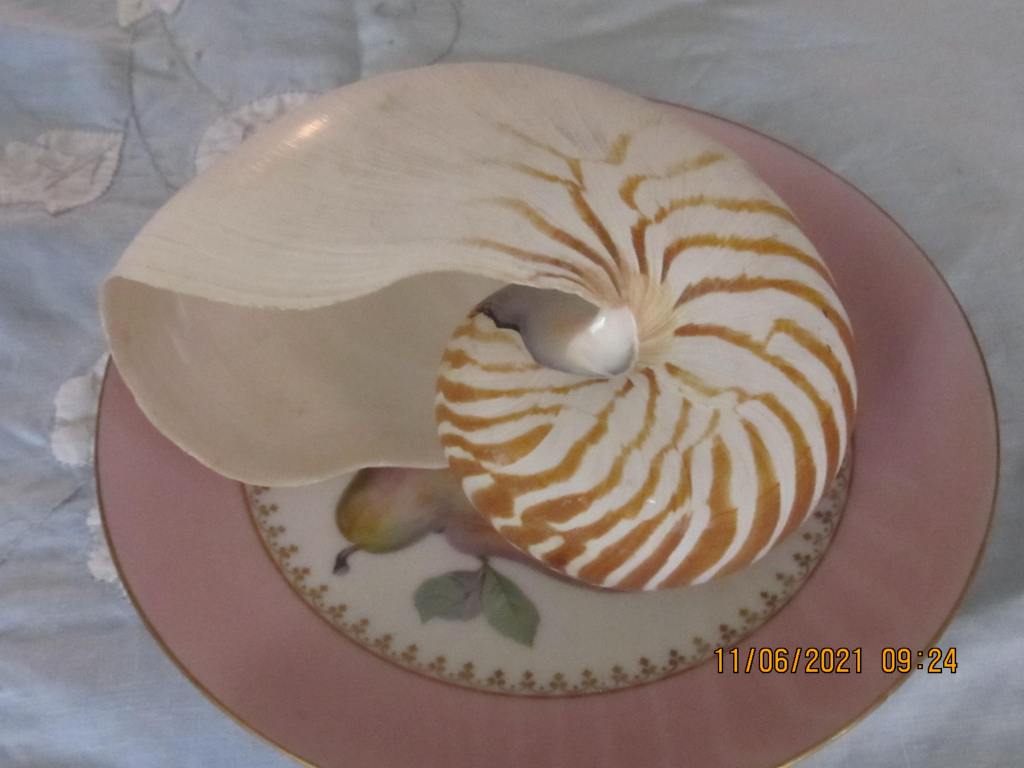
And this is the shell I chose-

This is the fabled Chambered Nautilus of Oliver Wendell Holmes’ famous poem-

“This is the ship of pearl, which poets feign,

Sails the unshadowed main

The venturous bark that flings

On the sweet summer wind its purpled wings”.

This was a princely gift.

Idling

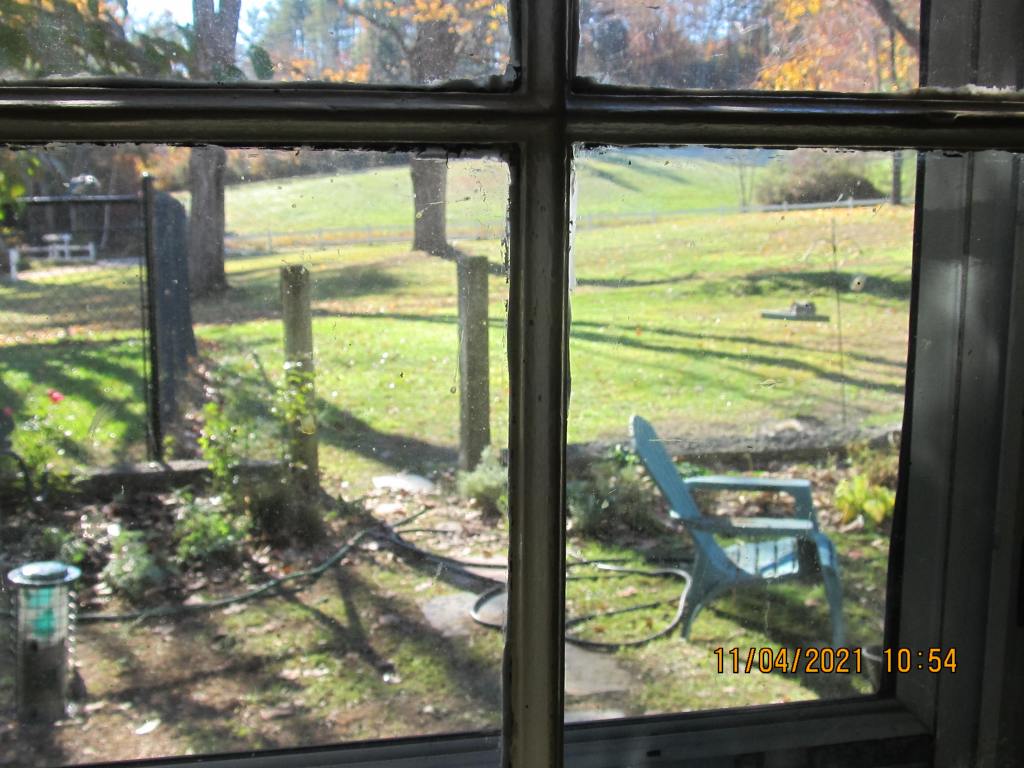
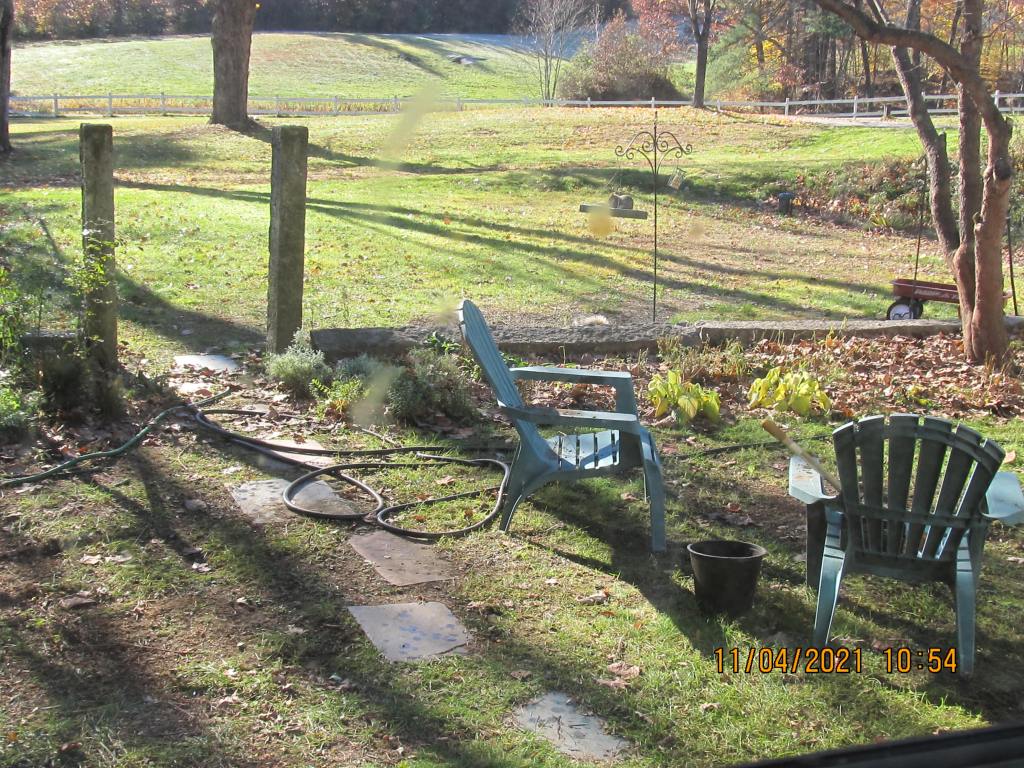
The other day I moved a narrow second hand desk to the dining room and put it by the window . The window faces southwest, and looks out into my dooryard and out across the road to an old field. The huge trees in the photo are sugar maples, which my landlord taps in late winter. God knows how old these trees are.

I thought the desk would be good for writing on the computer and paying bills, and planning garden beds on graph paper. But the view mesmerizes me half of the time I sit. I look out to see the jays eating corn kernels and the squirrels hanging upside down on the squirrel proof tube feeder. Leaves drift down, and I can see the last blossoms on the rose bush. Any minute riders from the Toad Hill Farm might be riding by, and I do not want to miss that. Am I ever tired of seeing nuthatches creep upside down on the Kousa dogwood? A quiet mind is a wonderful thing. I need to do more of nothing, and the months of frost and flakes are the time to do it. Oh the luxury of a 24 inch snowfall when I do not have to drive to Concord to work! I will just sit here and watch the heavy clouds knit their white blanket over this old farm.

Above- the unstoppable Knockout rose.

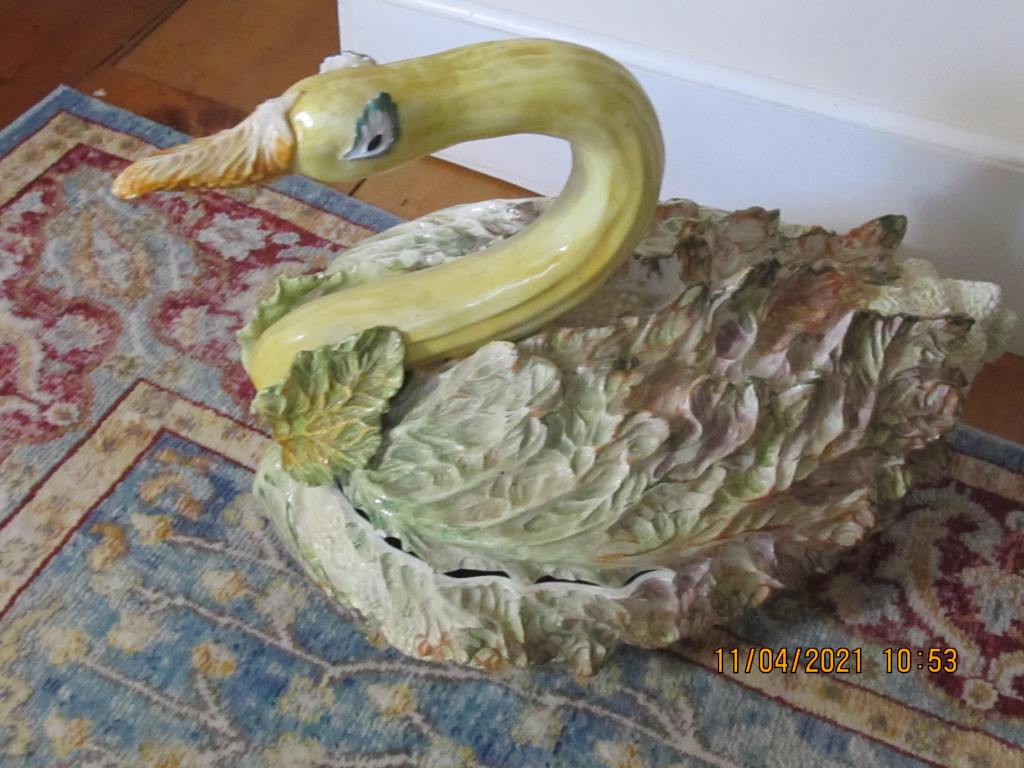
Not all birds are outside. Here, slightly askew, is a massive ceramic soup tureen I bought at one of Le Anne Paterson’s Nashville estate sales. It came out of a Louisville, Kentucky estate sale that was moved to Nashville because the market in Kentucky was slow because of the Great Recession.

My sister finds this goose embarrassingly rococo , but I love it-