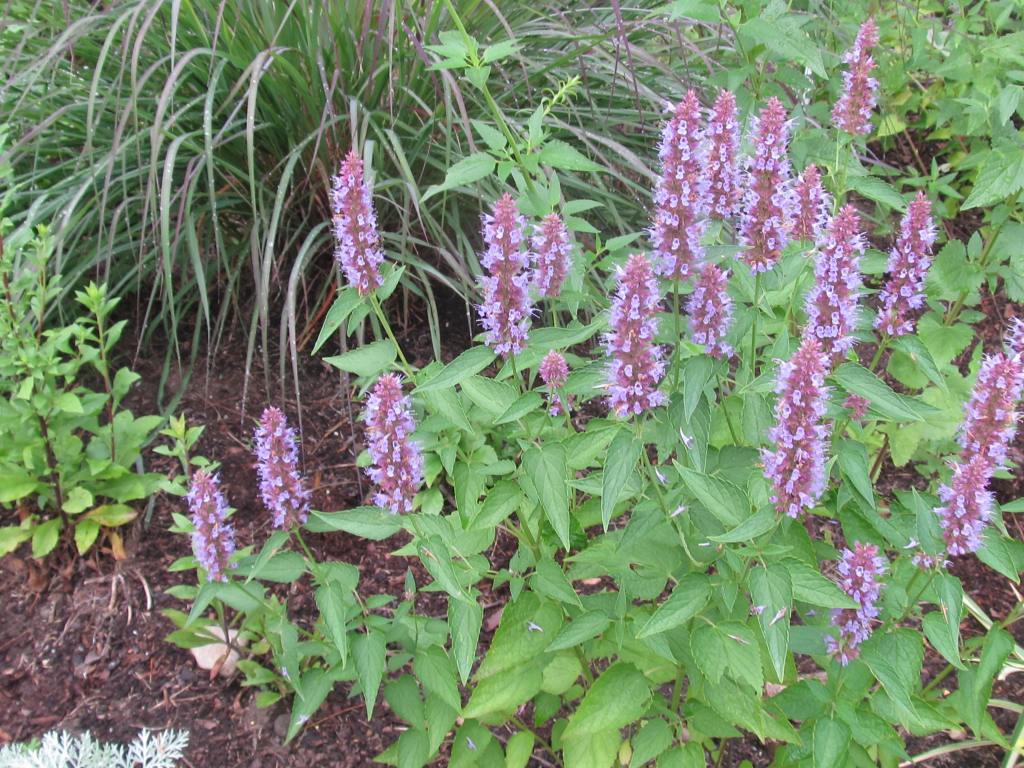
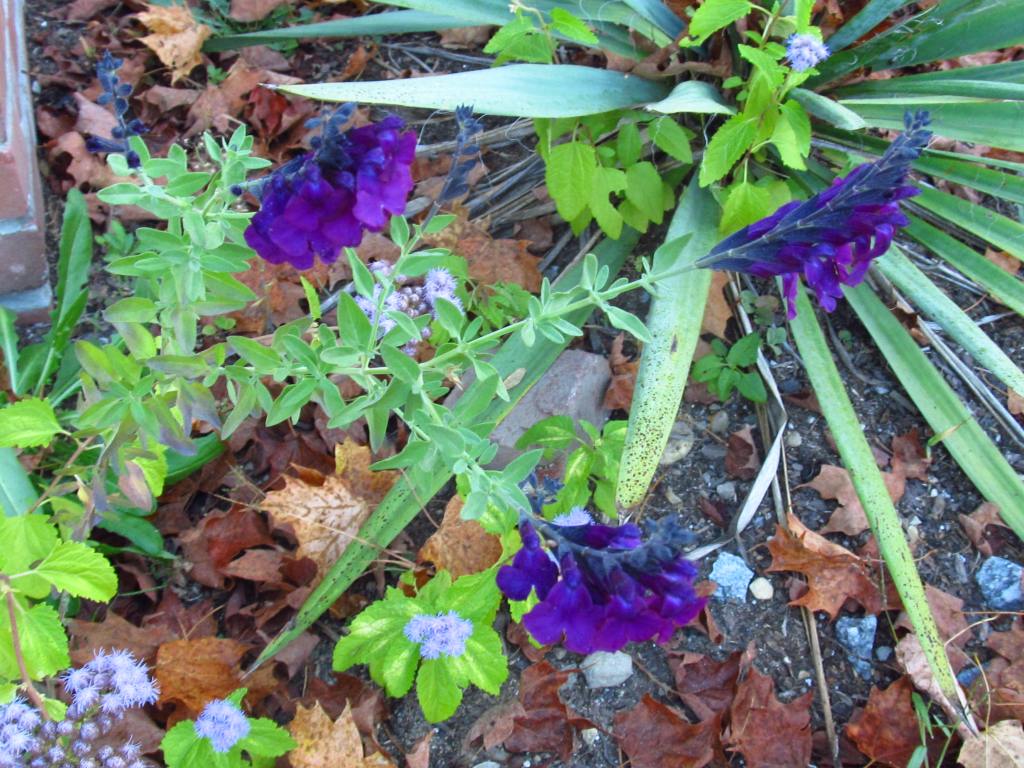
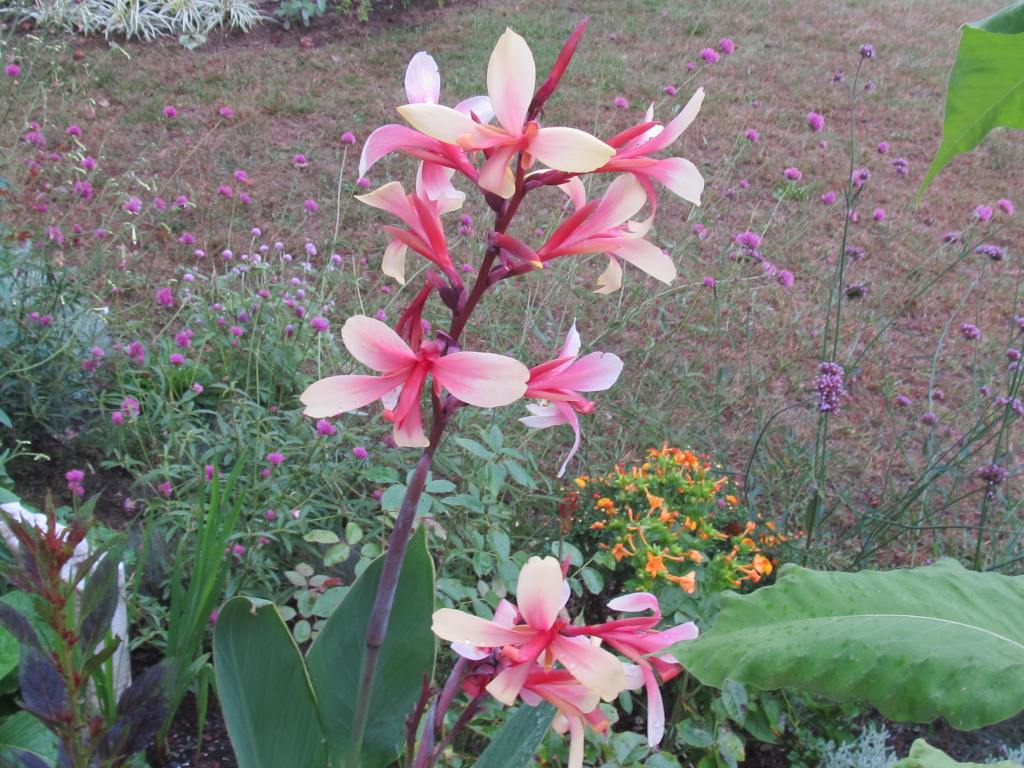
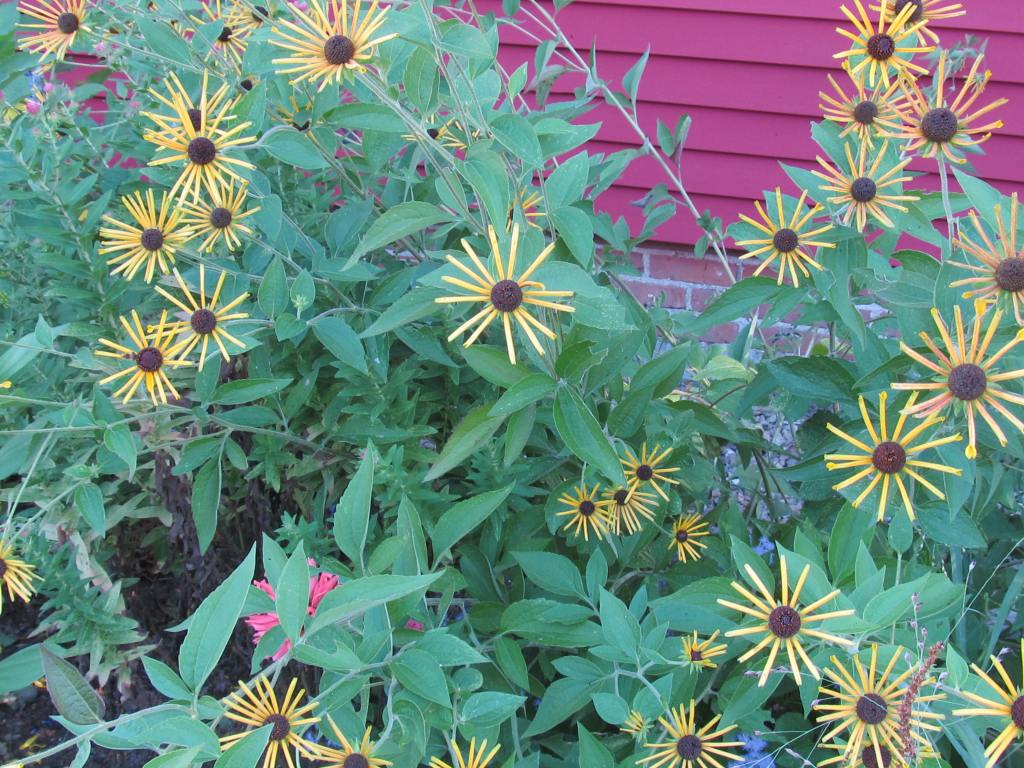
This last photo is of great interest for it is of one of the new “Flower Kisser” series of hardy autumn blooming salvias. This plant came from High Country Gardens online. It has been in the garden three years, but this is the first time it has bloomed.
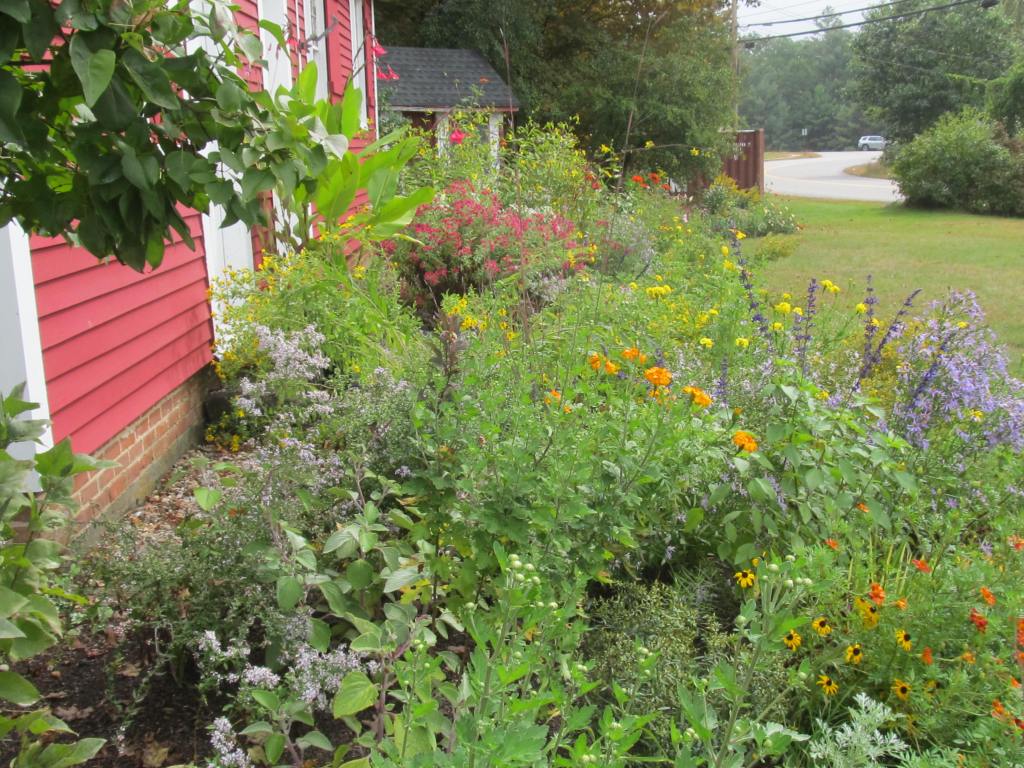
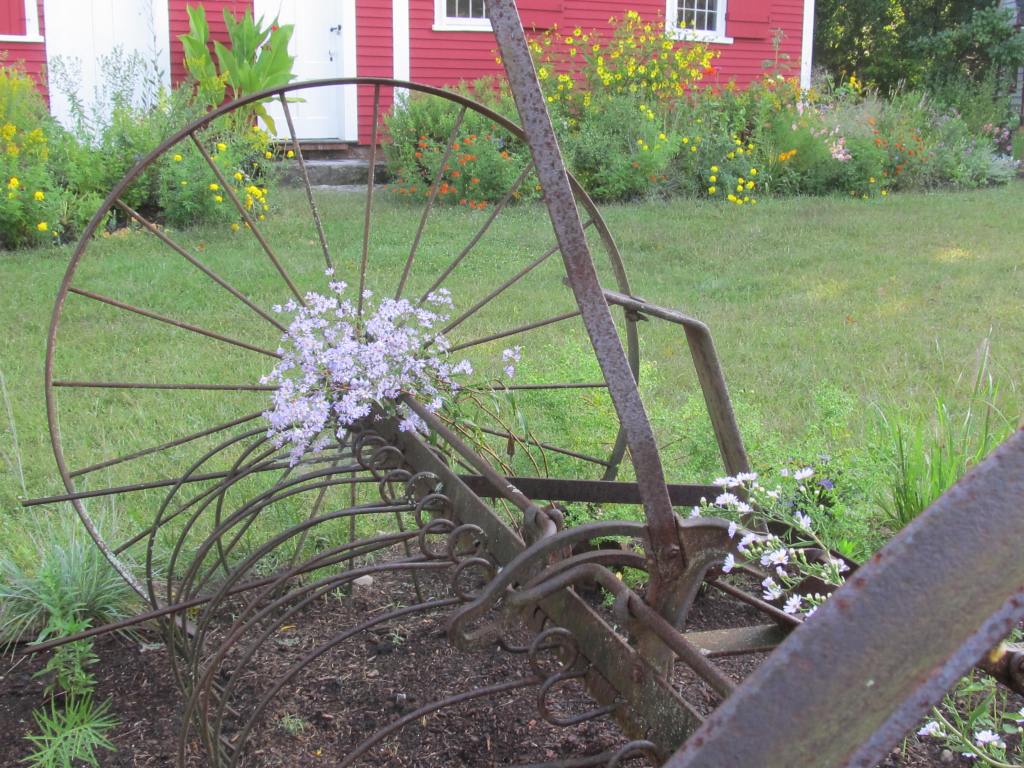
The Meadow Garden has matured over the past three years, and despite the severe drought and the sickening heat this summer, thrived on minimal watering.
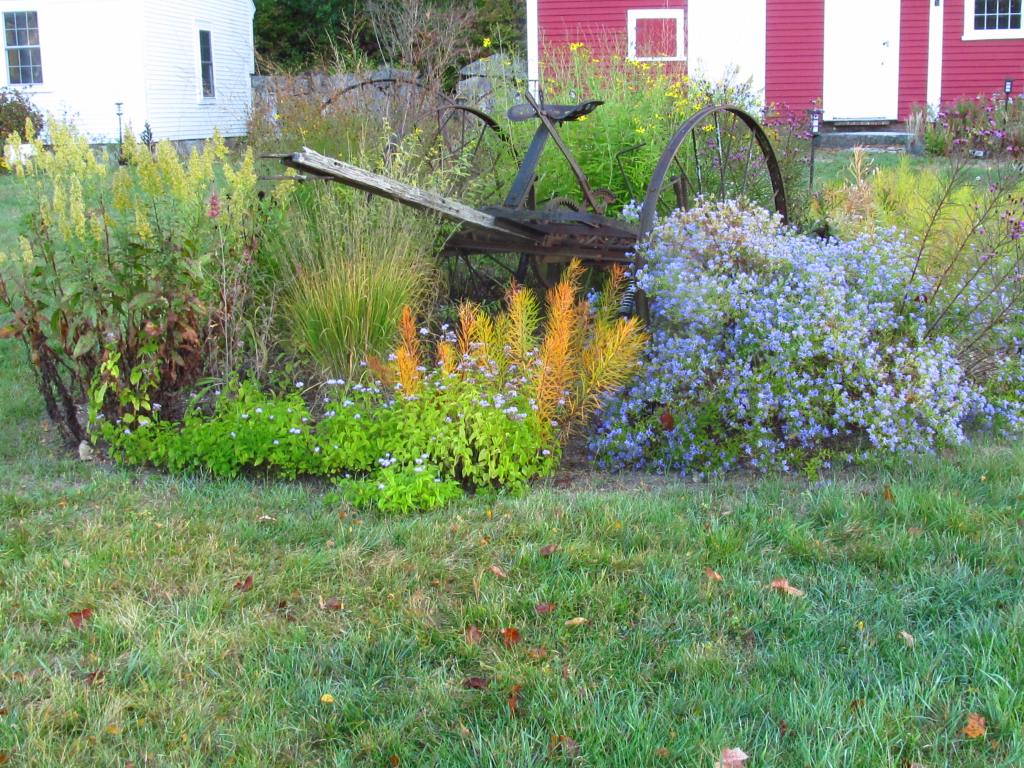
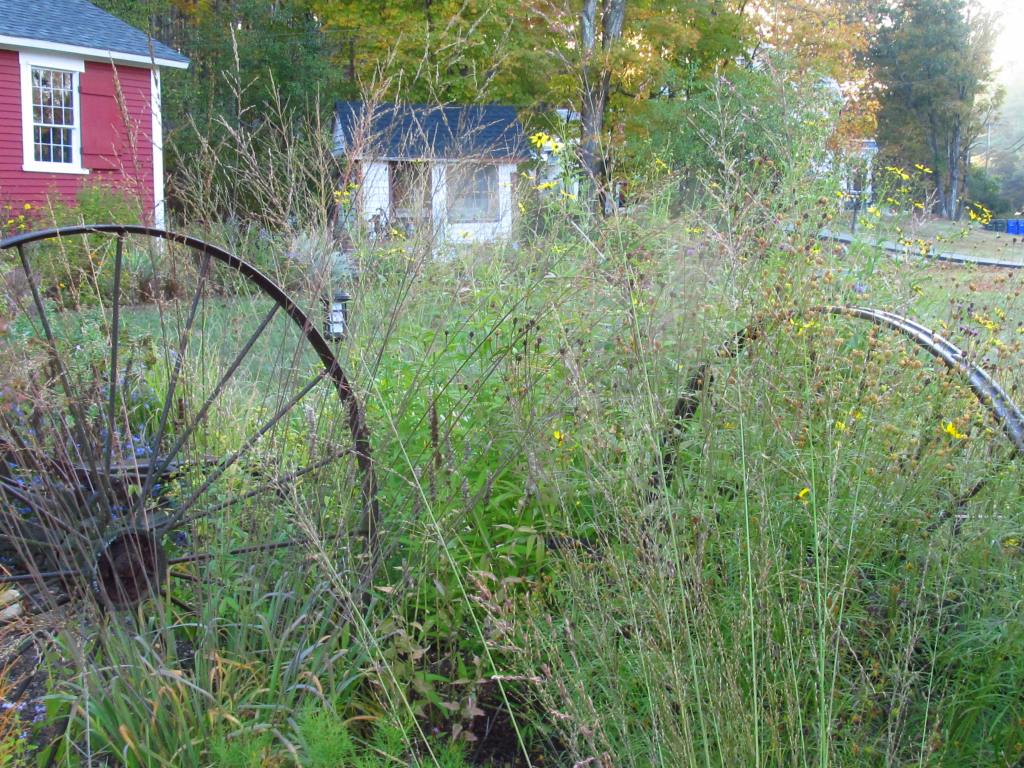
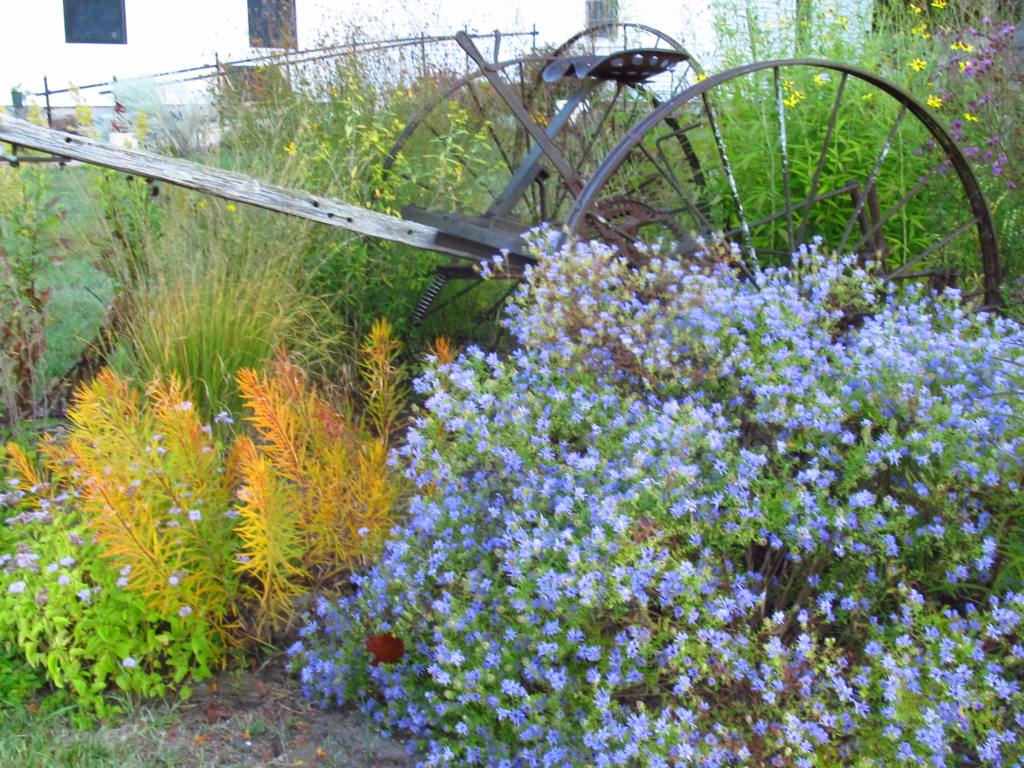
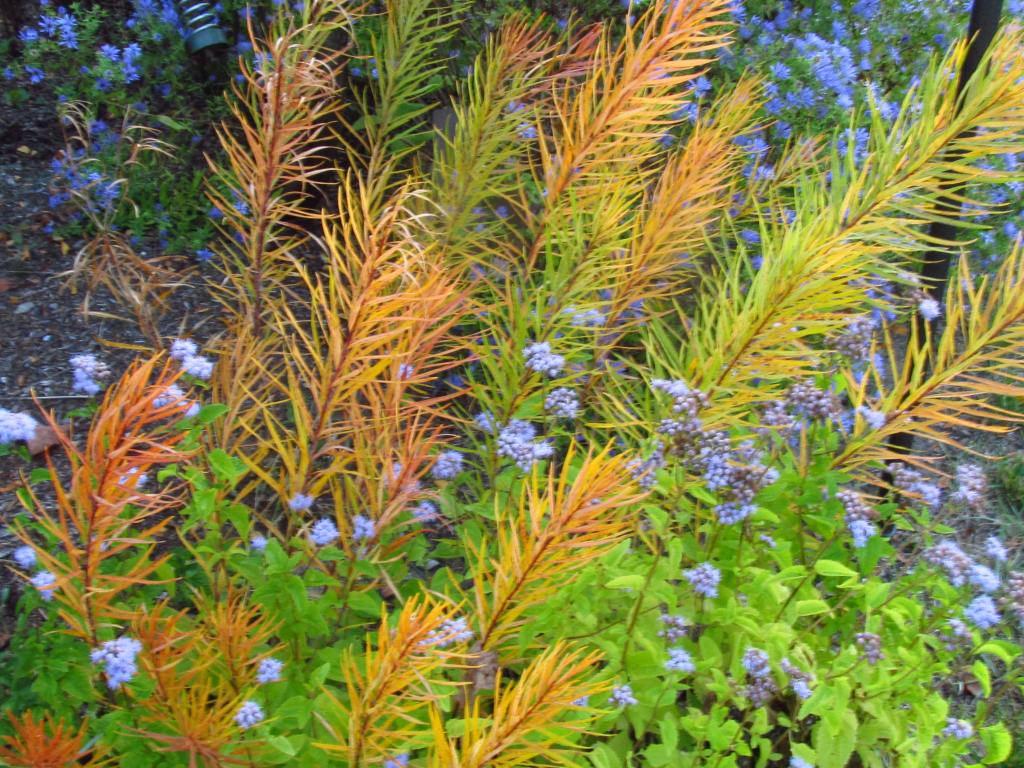
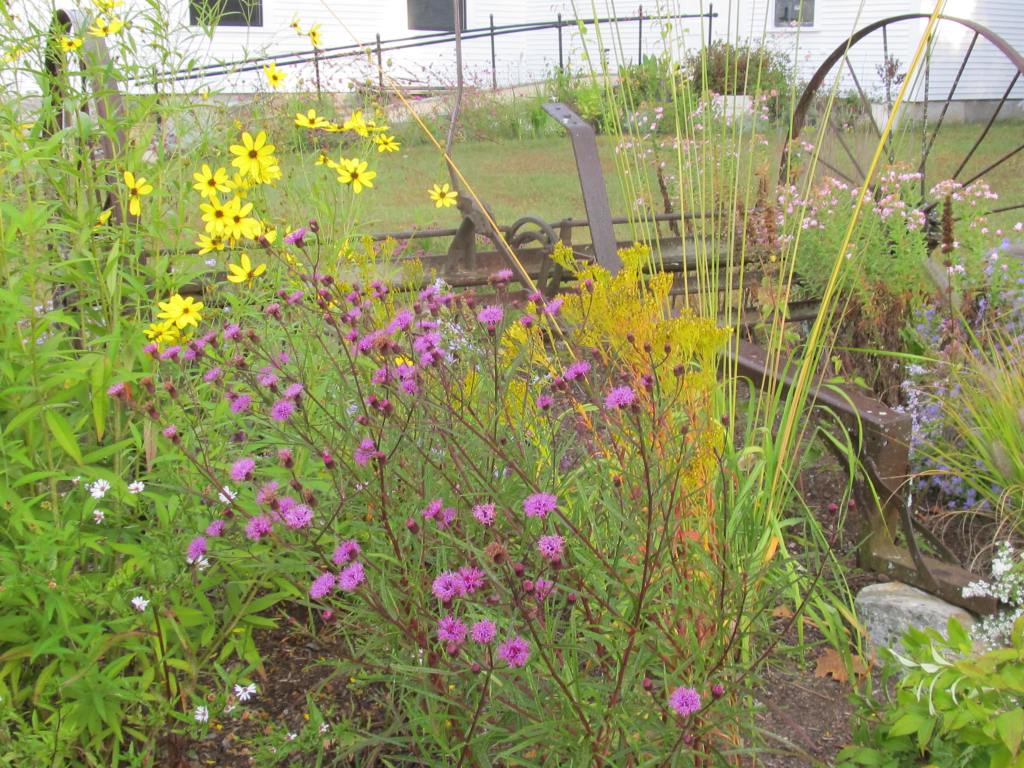
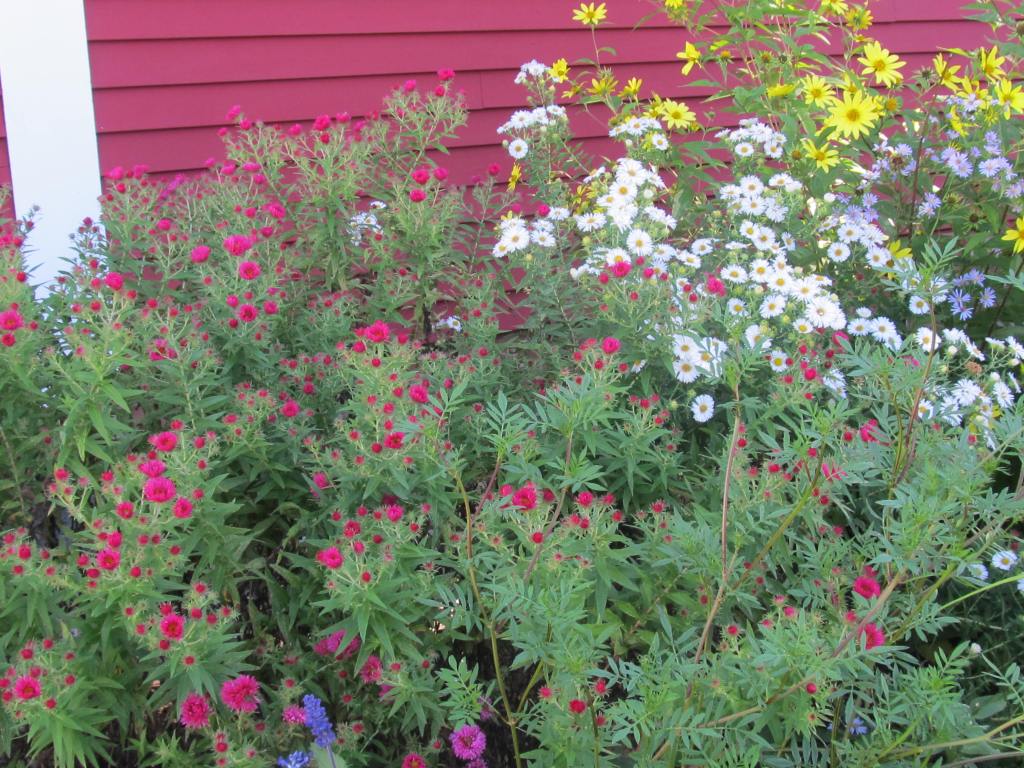
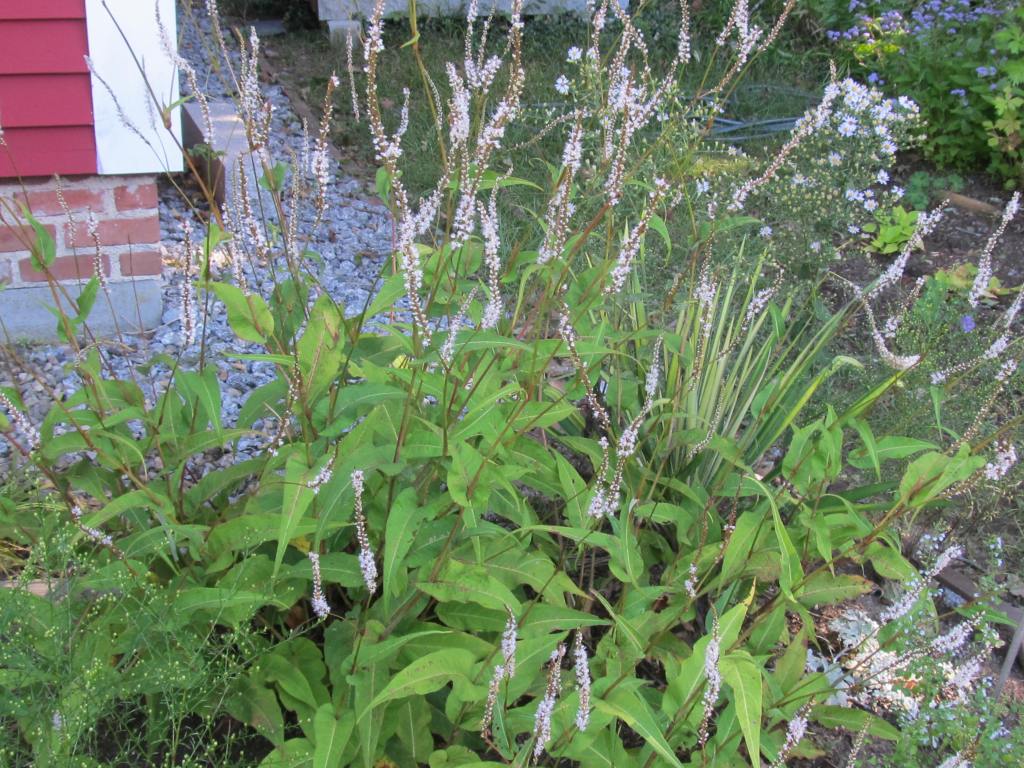
This fall was the first time Amsonia hubrectii “Butterscotch” reached maturity and showed its autumn coloring as it flowered along side the hardy ageratum Cononclinium colestinum and the aromatic asters.
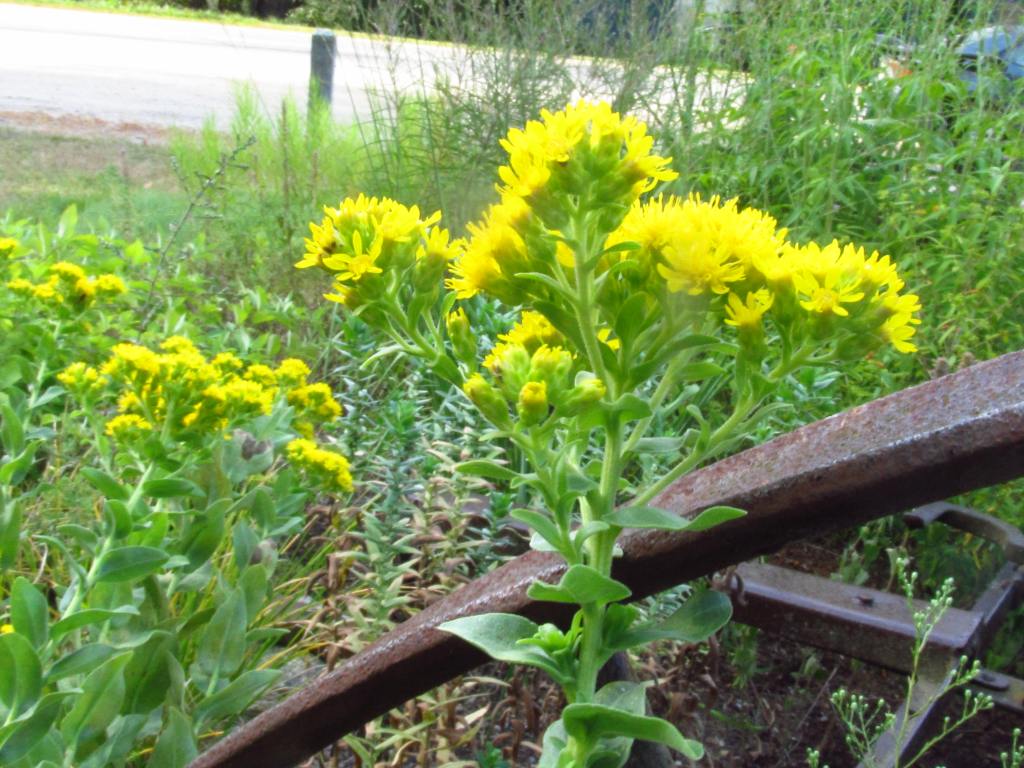
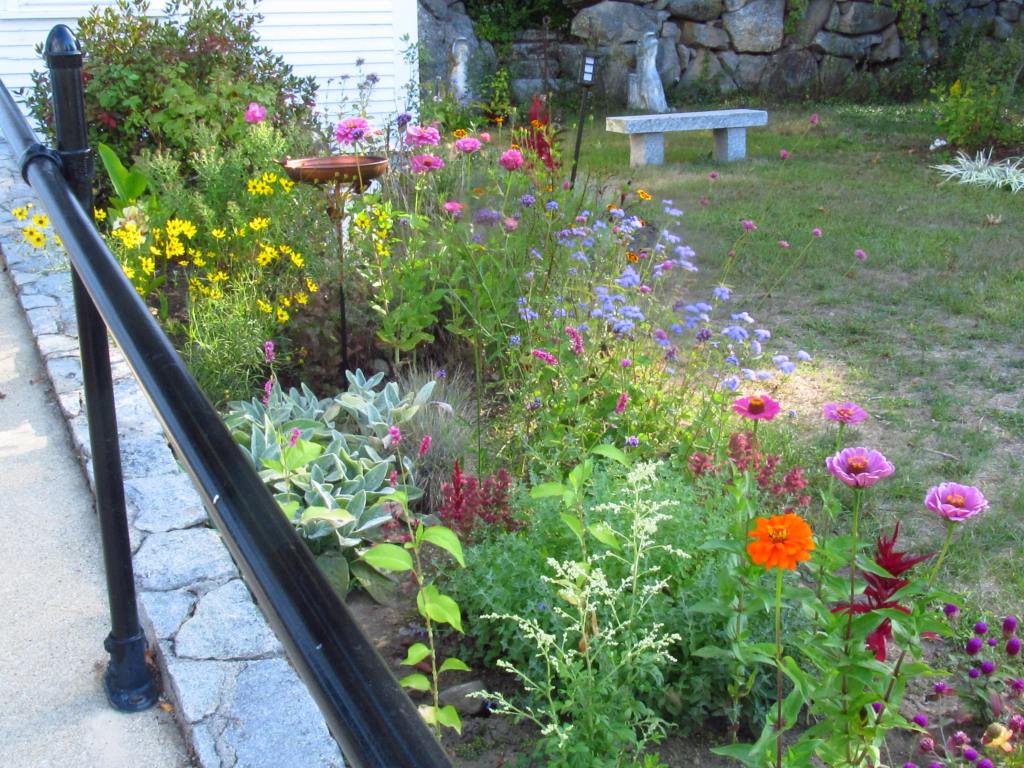
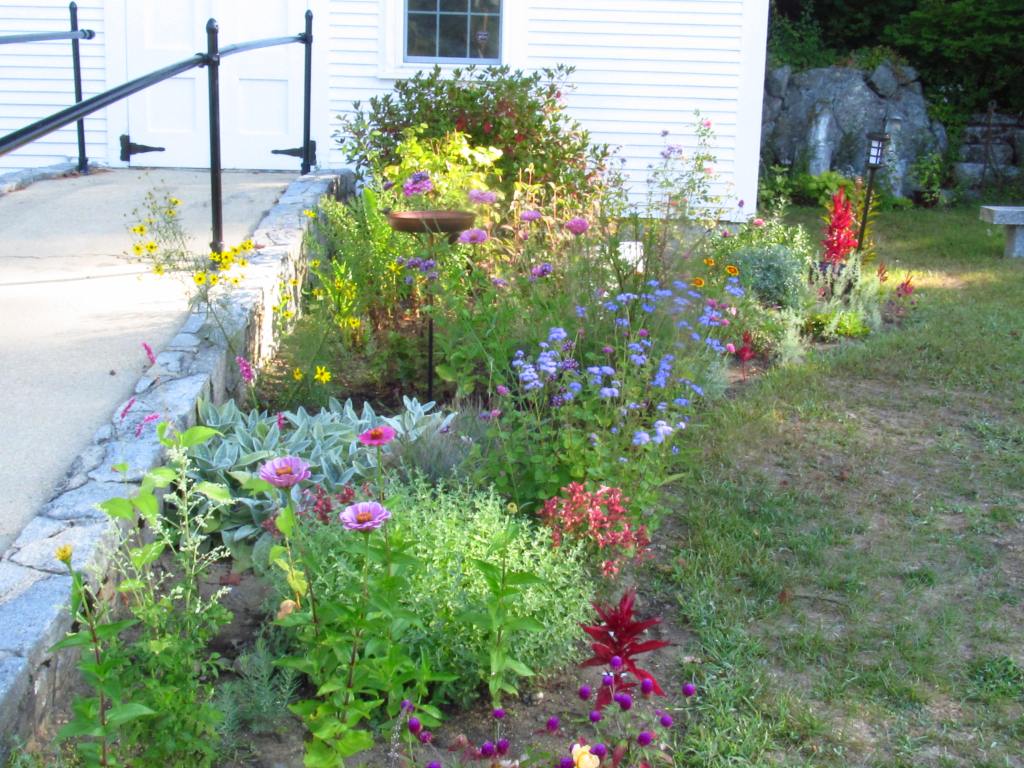
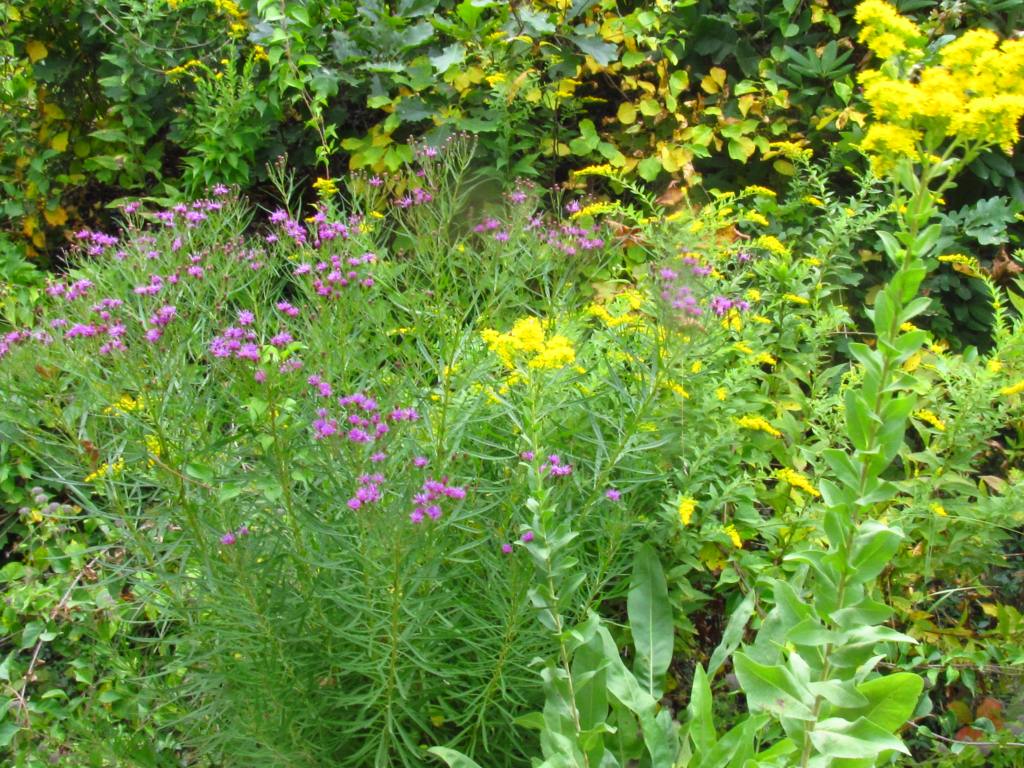
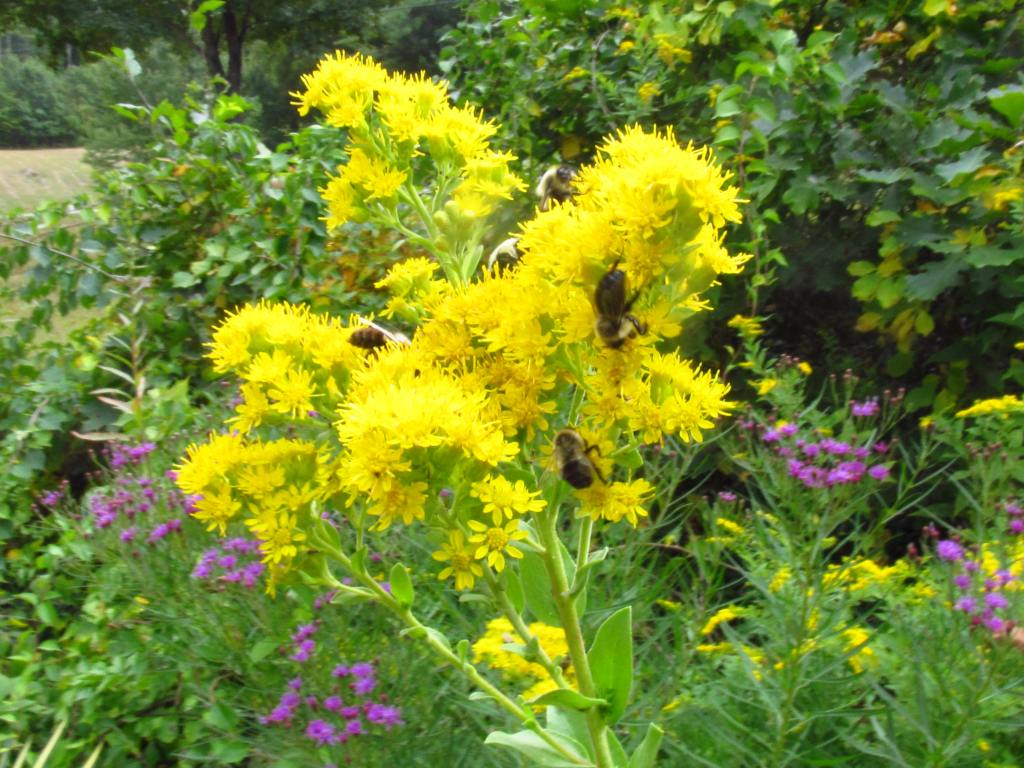
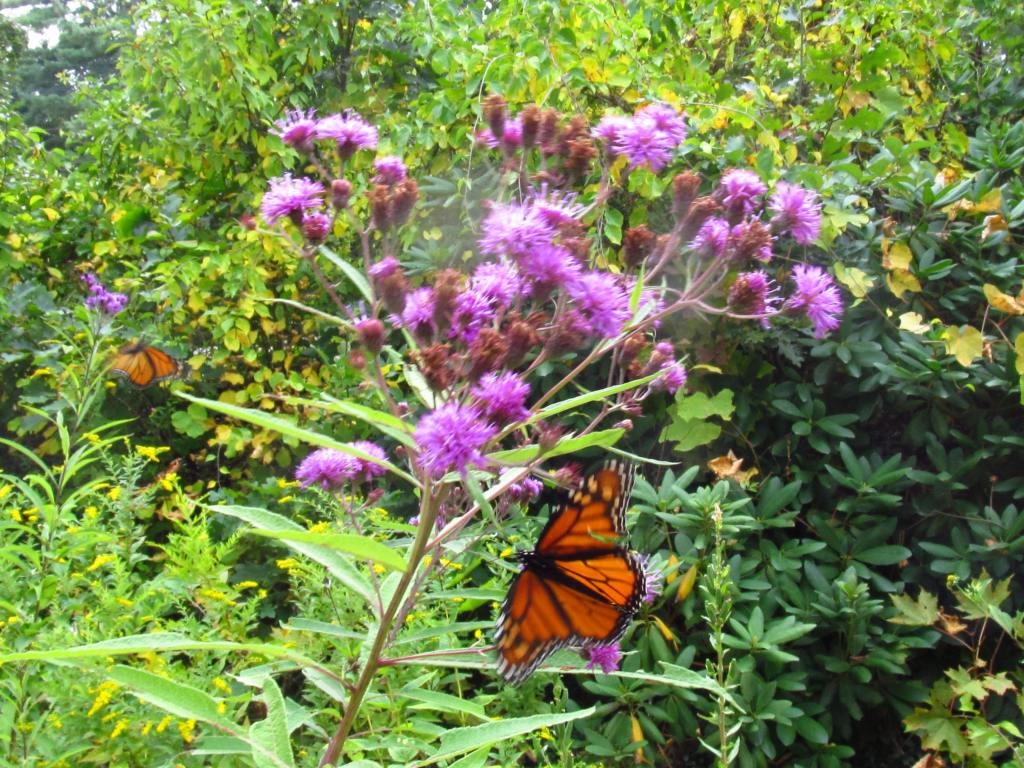
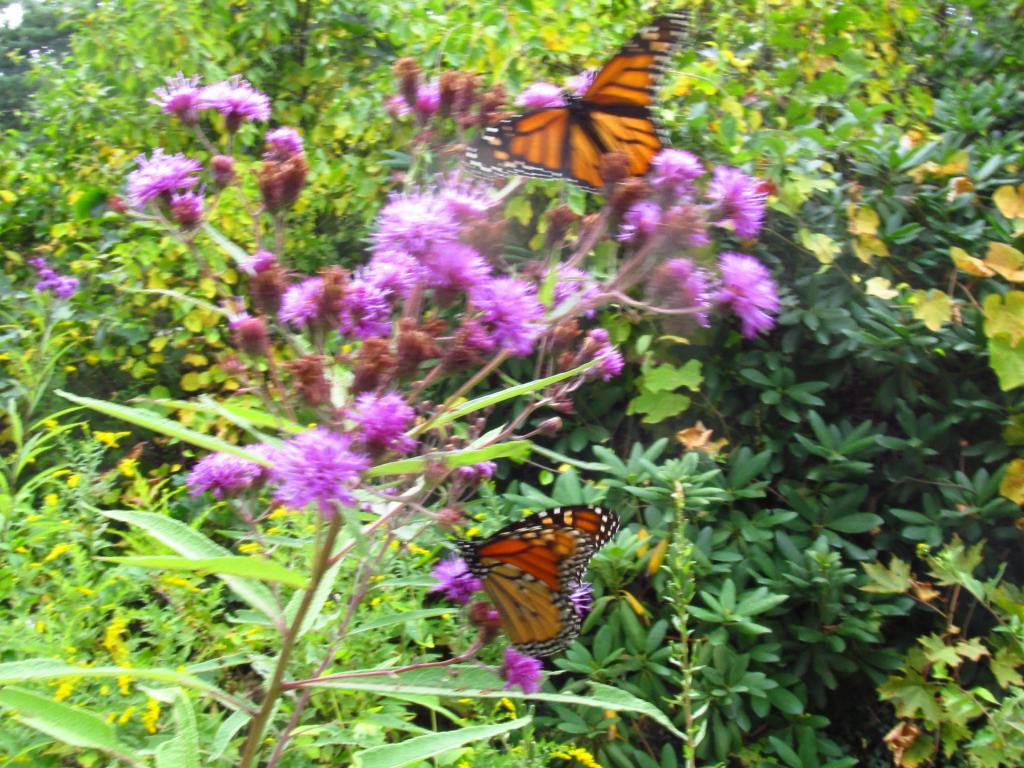
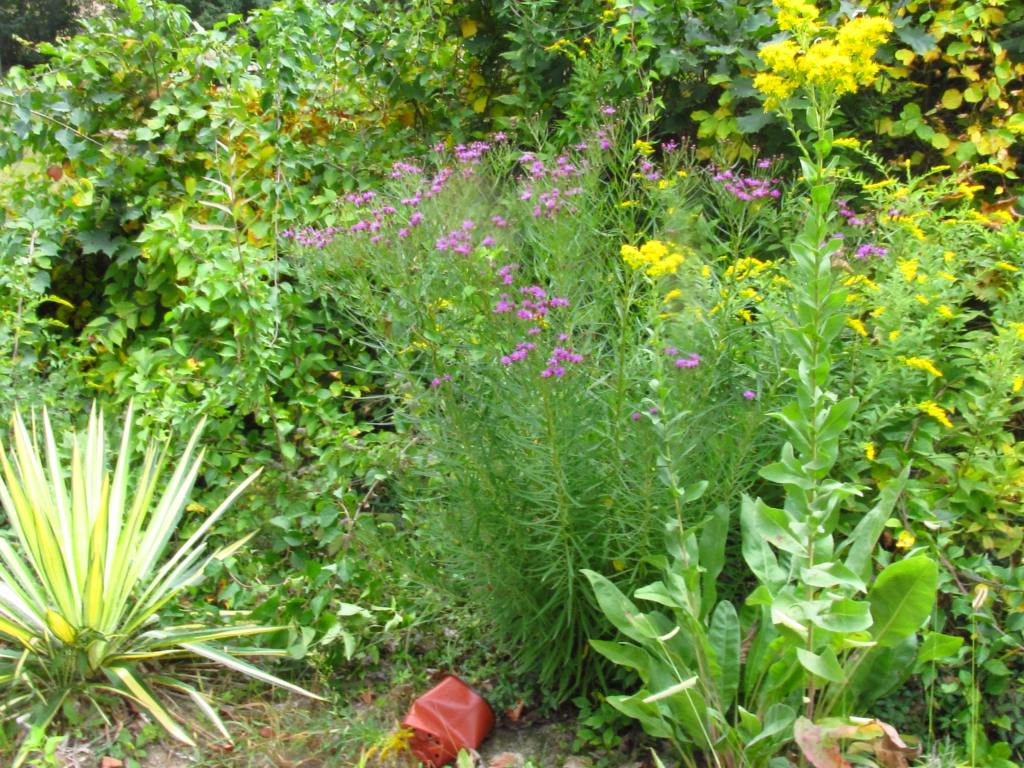
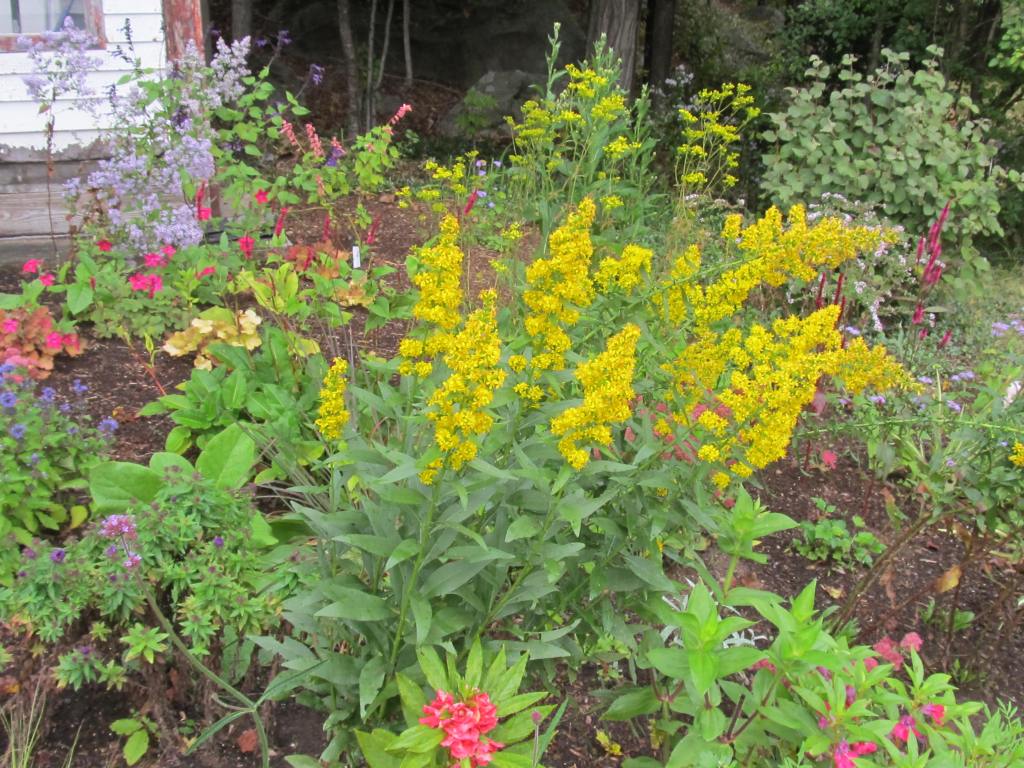
The garden I call “The Sandpit” lies facing east and is backed by a tall retaining wall of granite boulders. The soil is that of a blueberry barrens. Sandy and infertile, any hose water or rain runs down to Gregg Mill Pond, that is if any is left by the hundred plus year old maples. It is harsh terrain, and some might wonder what plants could even grow there. Yet here it is in the past few days, visited by migrating monarchs and hungry bees.
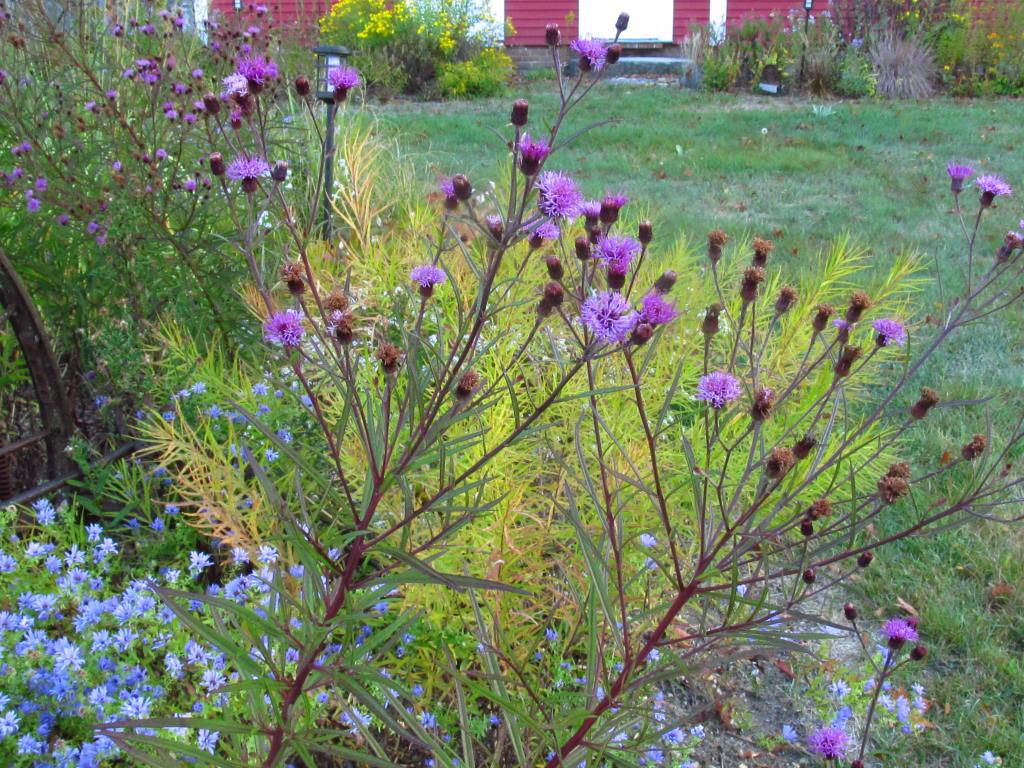
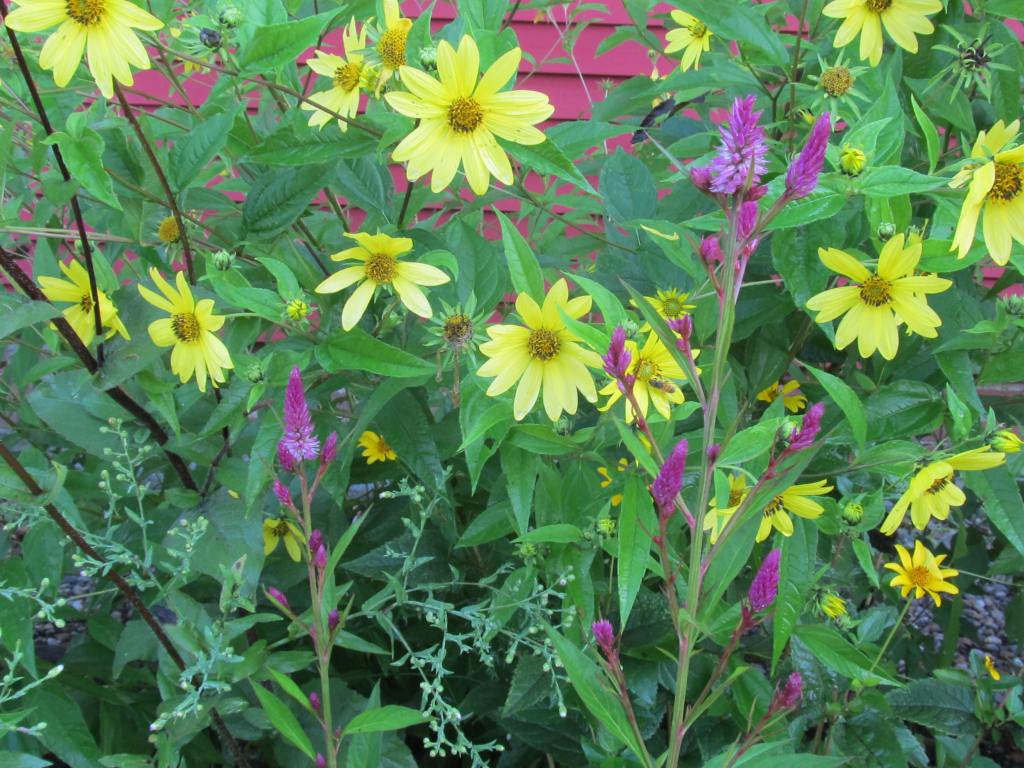
The wildflowers in this garden include Rigid goldenrod, Rough goldenrod, Ironweed “Iron Butterfly” New York Ironweed, and Yucca filamentosa “Color Guard”.
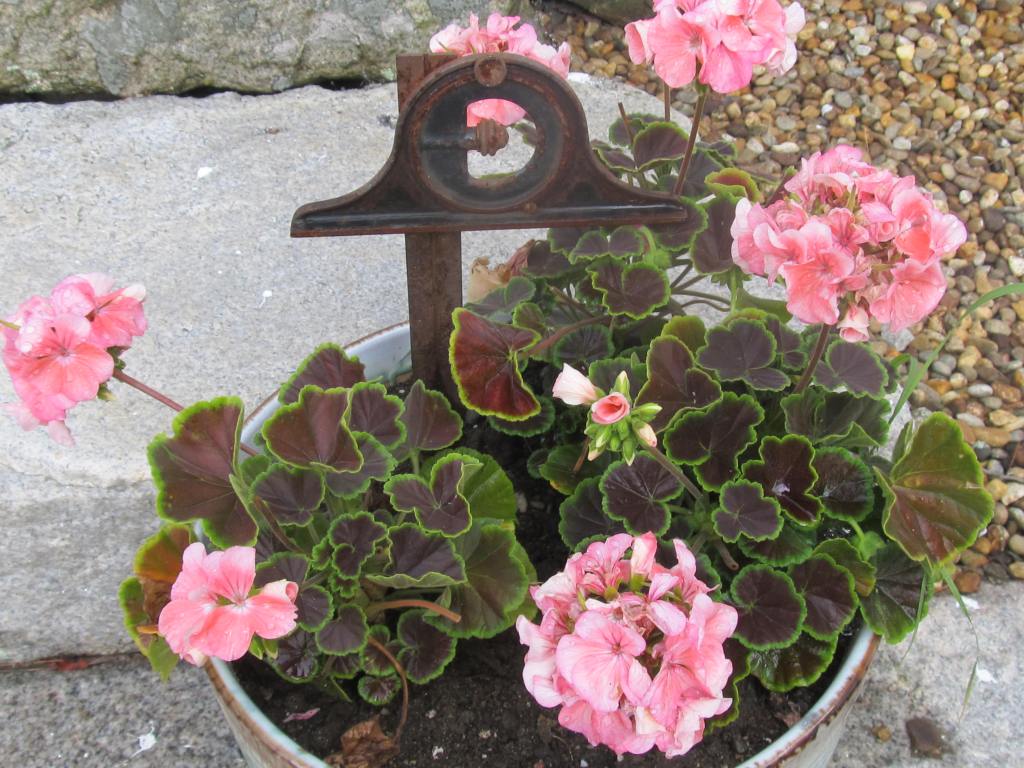
As you can tell from the little pot in the foreground of the last photo, these photos and these written words were not AI generated, nor will they ever be.
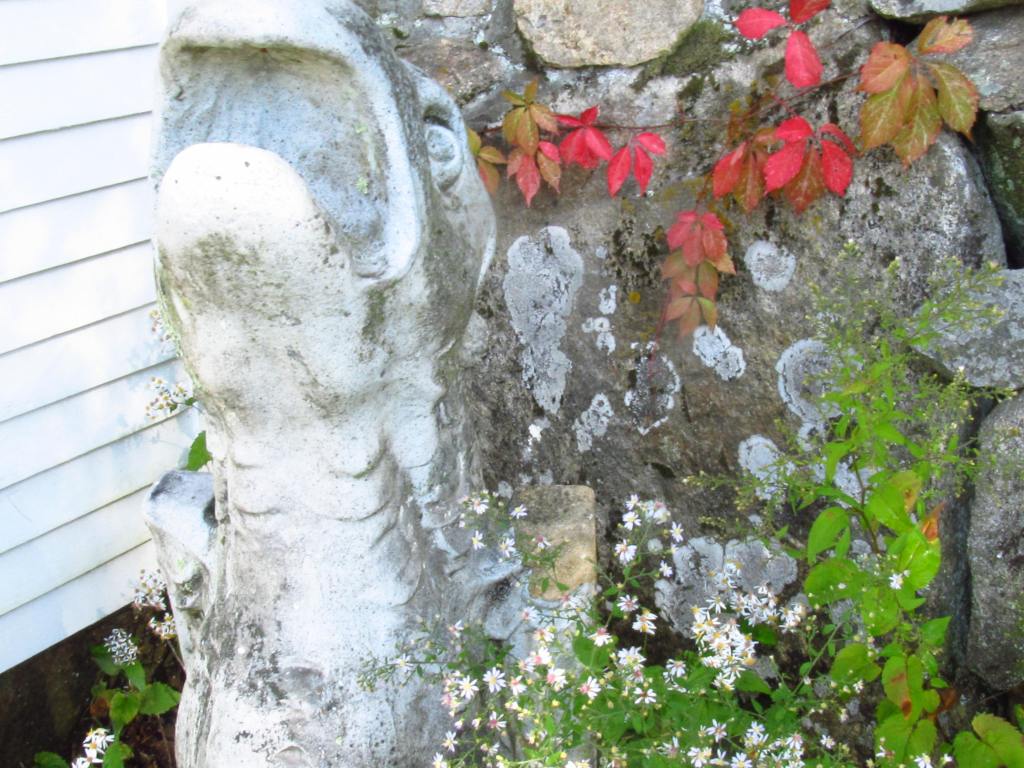
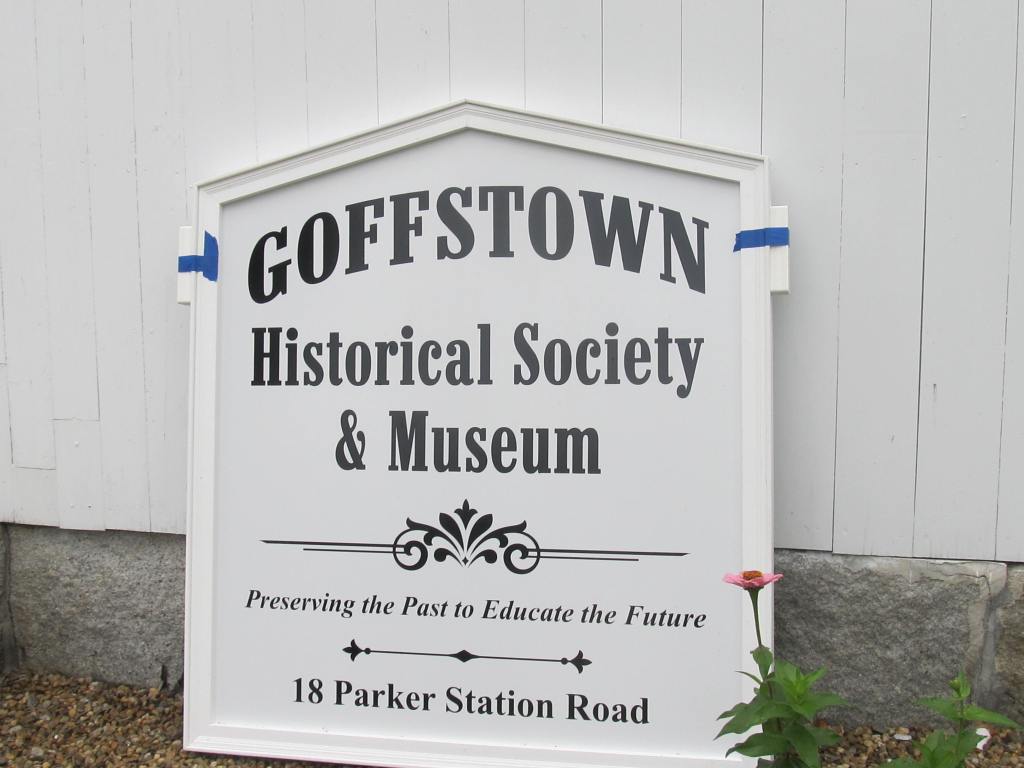
This is a small garden bed in the Goffstown Historical Society Gardens. The stone birds or frogs or gargoyles came from a building in Goffstown, where they peered down at Mast Road while dutifully diverting rain off the roof. Now they sit along beneath a retaining wall beside abandoned stone steps.
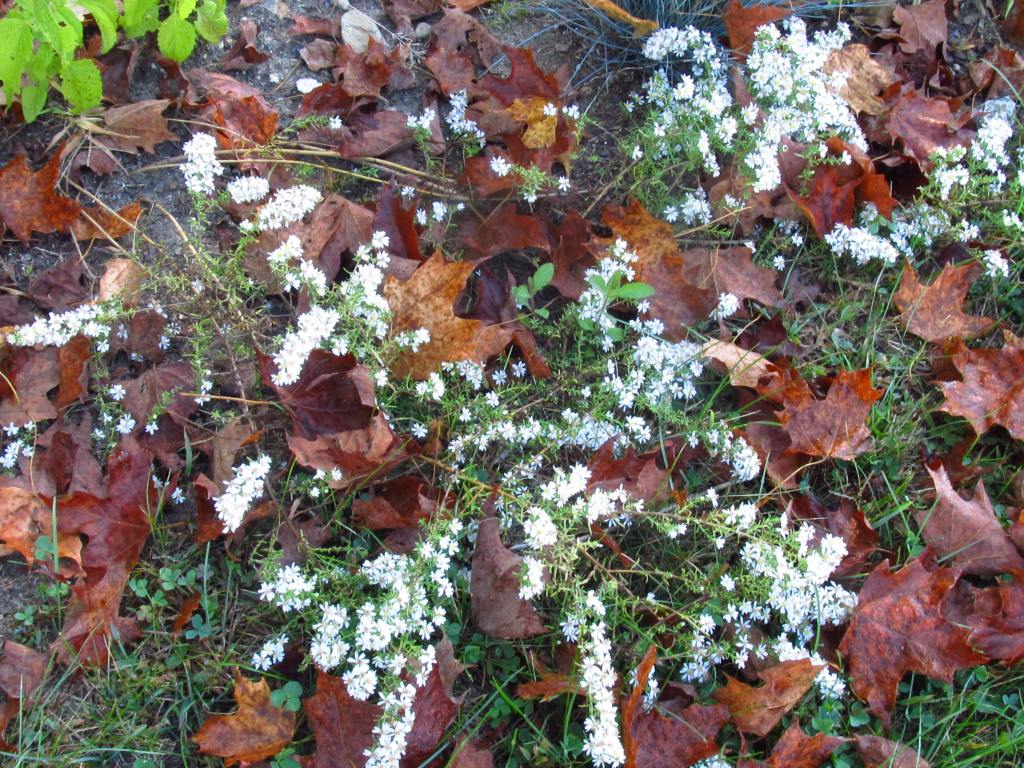
I have seen pictures of such steps and statues in pictures of old French and Italian gardens. I dug up a small bed and added a large yellow hosta, some carex, and heuchera. I did not intend to flower up the statues as they were impressive enough on their own, but the statues had other ideas. They invited in the Heart leaved aster and the White wood aster,and a Virginia creeper decided to crawl down from above.
This was a gardener and nature collaboration, and I must admit nature and lichen were more artful than I could ever be.
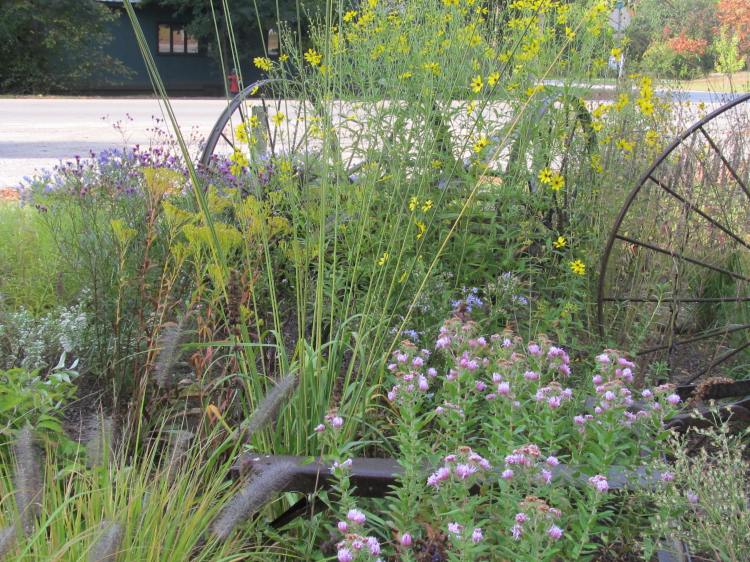
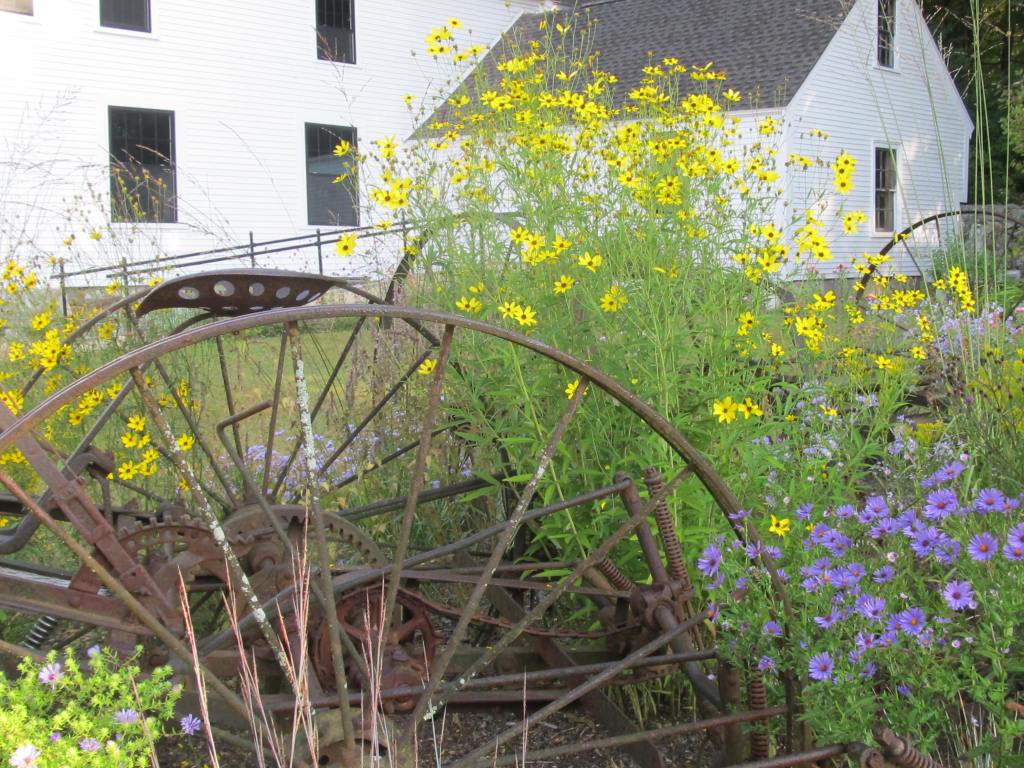
I planted all perennials in the Meadow Garden, but did include some non-native grasses. Despite the heat and drought it was watered only a handful of times. It bloomed in late summer and included goldenrods, asters, ironweeds, and the showy butterscotch fall leaves of the spring blooming amsonias. This garden bed is only three years old, but it has filled in so fully that I will need to divide many of the plants. Some of the divisions will be going to the Baker Free Library in Bow NH, which is renovating its pollinator gardens.
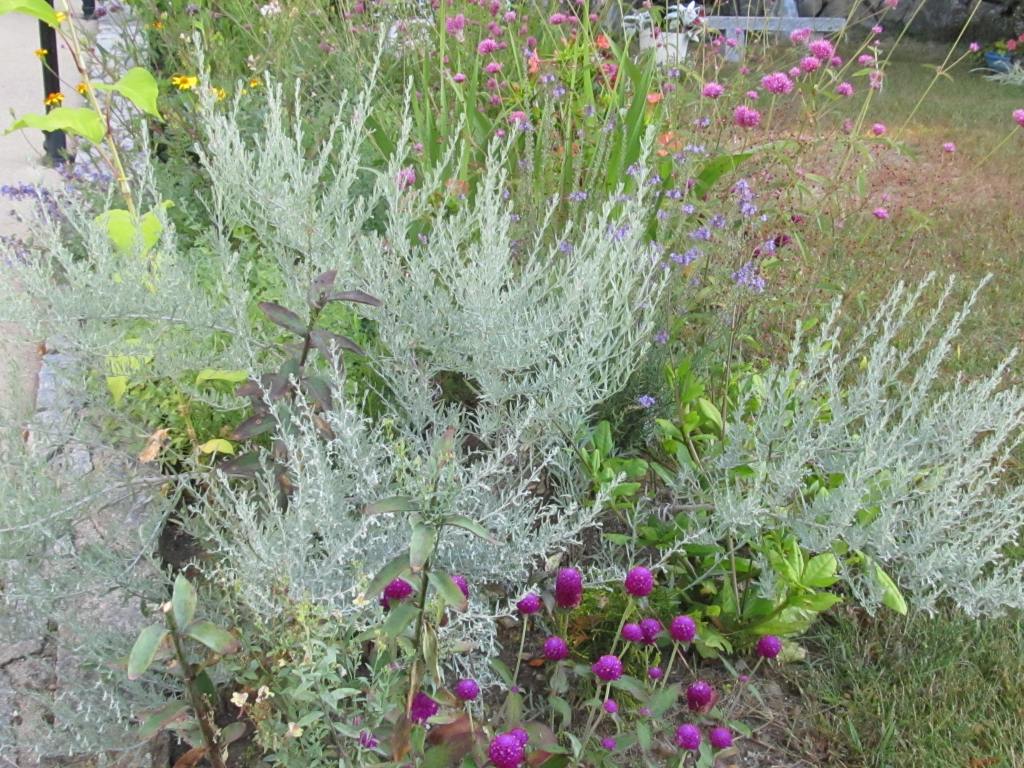
Though the plant I would like to showcase today is not in the Meadow Garden, it is a native perennial from the American Southwest. It is Artemesia “Fredricksburg”. I bought it from Plant Delights, a nursery in North Carolina; It is showy, tough, and without the imperial ambitions of the more commonly grown artemesias Silver Queen and Silver King.
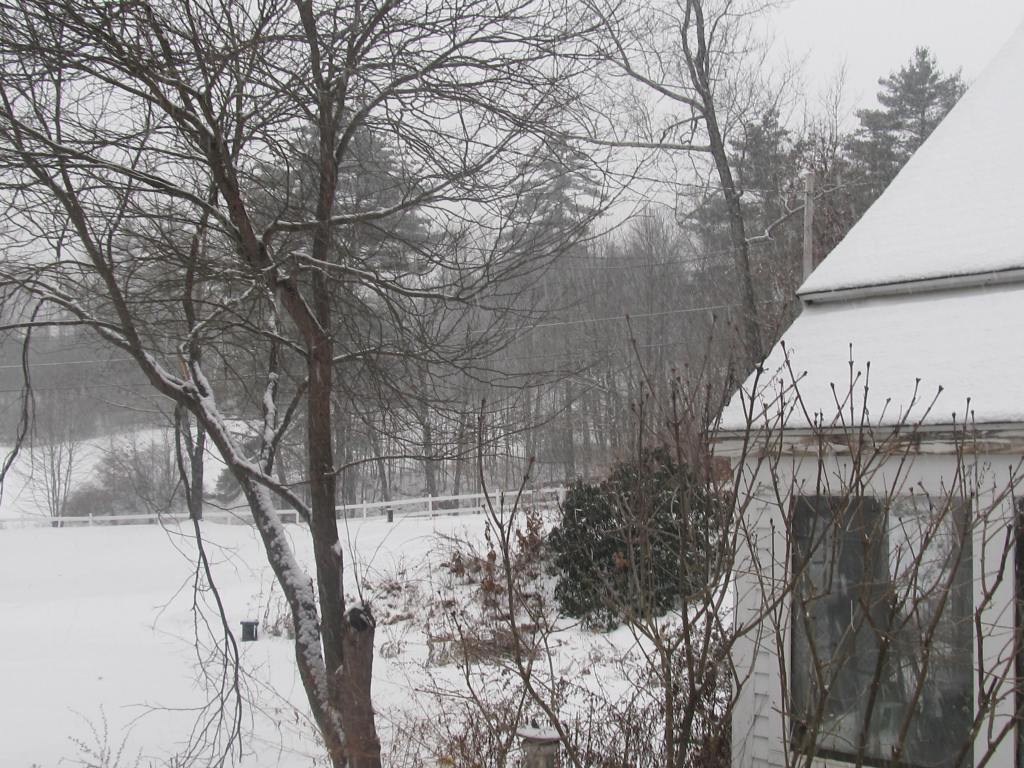
We in Southern New Hampshire are looking towards temperatures in the 50s for most of the next week after 50s in this one. This will banish the last snow pockets and dry up the mud. The robins will come to the front lawn and the song sparrows will return to their favorite rhododendron.
And the nurserymen will live in fear.
In his poem “Goodby and Keep Cold”, the poet says goodbye to his young orchard for the winter and turns his hand and his saw to firewood. His last words to his apple trees are to remind them not to fear the coming cold.
“Fear fifty above more than fifty below”, he tells them.
For once our apples and pears and peaches begin to bud, and if this happens in March, there are fearsome odds against getting to June without a freeze.
Wise but sad words from one of America’s greatest poets, a man who farmed the gritty granite soils of New Hampshire , a countryman who knew what hardships came from this difficult climate.
Years ago, when I lived in Nashville, I belonged to the Middle Tennessee Perennial Plant Society, and I remember best a garden designer named Duncan Caldecott who finished his talk with a reminder I have never forgotten.
“If someone visits your garden and makes fun of you for planting lowly common orange daylilies, you tell them ‘It’s MY garden’.”
Horticultural Ideology is a terrible weed to let into your garden. Let no one tell you what to do in your garden or what you must plant. It is your garden and if you want a peony and iris border you should have it. If you truly want a front lawn of common milkweed, it is a free country. Plant it. Do not let the Plant Puritans who care only for utility and nothing for beauty shame you into plants you do not want just so you and they can feel virtuous and smug. Remember that gardens are for people too, as well as for your pleasure.
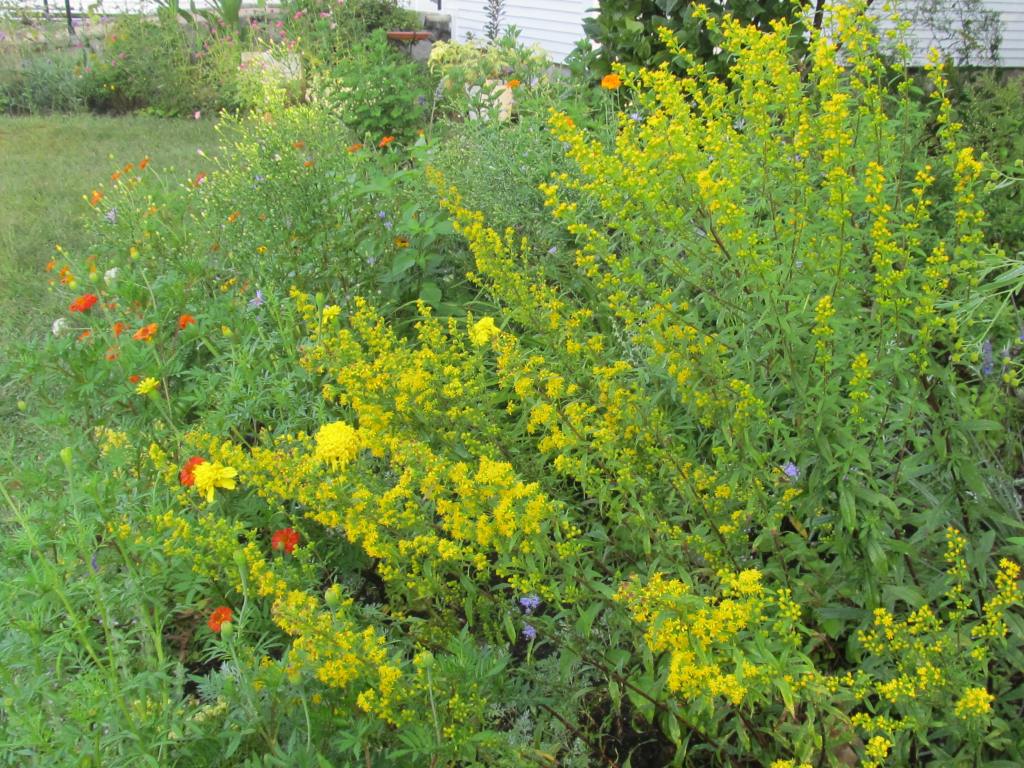
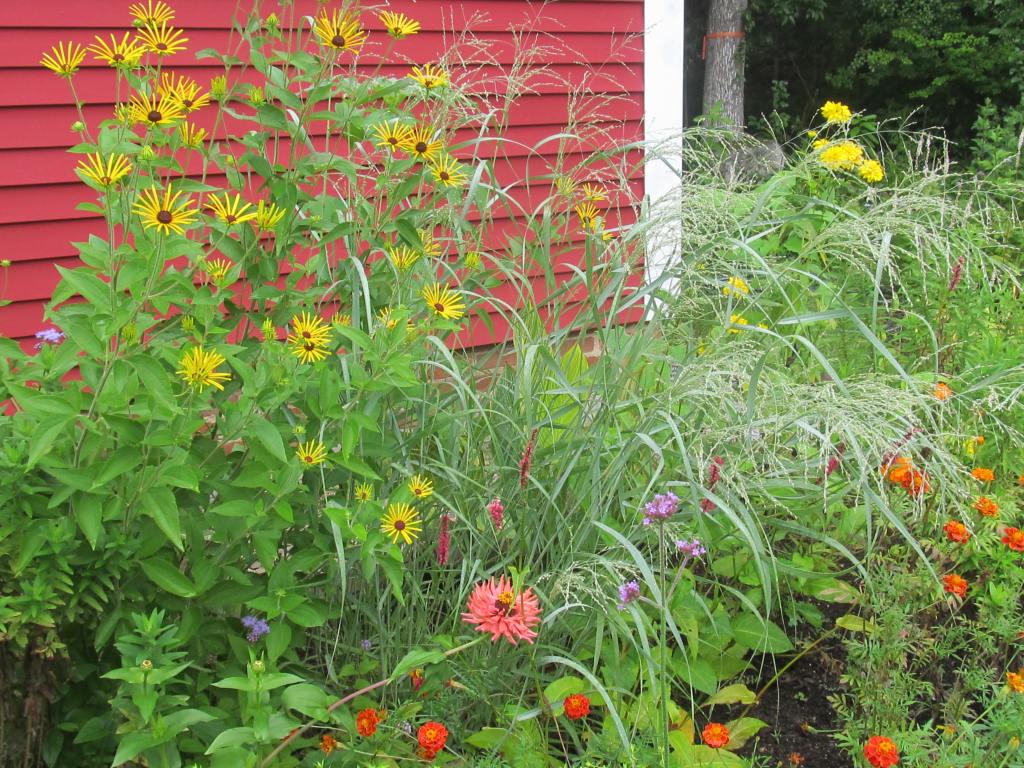
The photo above is of marigolds mingling with Downy Goldenrod in the Goffstown Historical Society garden.
In the years I lived in the South I saw heartbreaking mass destruction as Nashville swallowed up fields of butterfly weed and replaced them with oil change shops and the smell of chicken wings. I have seen the vast fields of soybeans and cotton in the Mississippi Delta punctuated by Cargill signs and insect traps and monster farm machines. The few wild places left were the National Wildlife Refuges and the floodplains on the Mississippi River side of the levees.
I am a Volunteer, an unpaid, unlicensed worker, who like millions before me on every continent and in every age finds a mission they feel they must undertake because they value their precious time as worth more than money. Someone or something needs them.
Some of us are heroic. We are the Cajun Navy, rescuing the stranded and desperate from their hurricane flooded homes. Some of us are the compassionate. I remember the late Dr George Burris, of Middle Tennessee. Not only a gentleman farmer, but a heart surgeon who collected surgical instruments re-sterilized them and took them to Africa for his medical charity missions.
Some of us are quiet in our work. We are the elderly woman in a Kroger parking lot, filling her car with day old bakery goods donated to the local foodbank where she will soon deliver them.
We are the Scout Masters who came to The Goffstown Historical Society . Under their eyes, the scouts, both boys and girls, repainted the historical schoolhouse from money they collected from donations . They repaired the aging front porch The Scout masters cut down a thorn tree, climbed onto the roof of the Wait Station to remove a dead ash limb, and taught the young people in their charge that community is important, that citizenship is important ,that giving back is worth more than money. They showed their scouts what responsible adults can be so that one day these boys and girls might emulate them.
We are the thrift shop ladies and the Community Pantry ladies, the people who foster unwanted cats and dogs awaiting adoption. We are the unpaid poll workers at our Town Hall on election days. We are the gentleman who brings his Corgi once a week to a local nursing home and walks the halls to greet the residents grateful for such kindness. No act is too small.
How much more could we accomplish if there were more of us!
After 20 years, the USDA has confirmed what I have suspected for the last year or so. Southern New Hampshire is now Zone 6a with pockets of 6b. I now live one hardiness zone from Middle Tennessee, where I lived for almost 40 years.
Last Saturday I, and Marian, another Goffstown Historical Society volunteer, went over in 50 degree weather to put away our ceramic planters for the winter.
And where was winter? A good question since we found dandelions blooming in the lawn-
The weather ahead till the year turns is days in the 40s and the 50s, doubtless abetted by the warm western winds of the weather phenomenon “El Nino”, the “Christ Child”.
What will we able to grow now? The hardier Crape Myrtles from the National Arboretum?
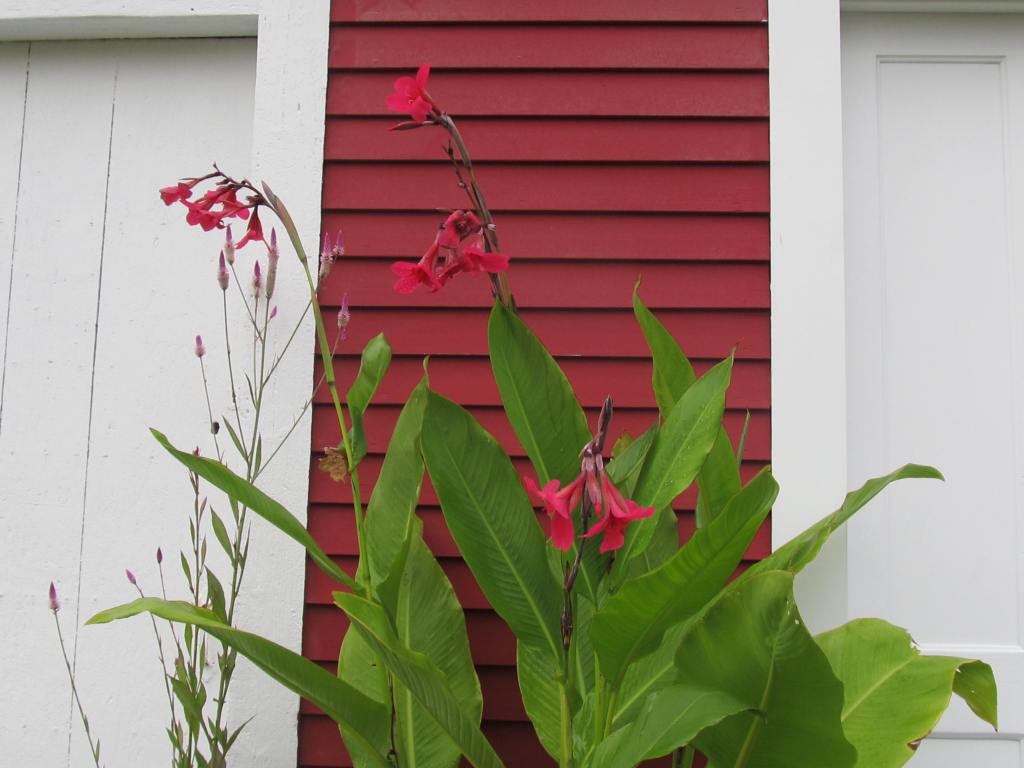
Hardier camellias? Will we be able to deeply cover our cannas with mulch after planting them in a sun trap against the stone foundation on the south side of our house? I would be happy if I see the Hardy Begonia grandis come up this spring along the granite posts in my courtyard.
Meanwhile, in the wildflower border I call the “Sandbox” flocks of juncos are knocking seed heads off the withered goldenrods and the prairie golden asters I grow there. This border looks a mess, but is a free birdfeeder. I no longer have a conventional feeder since my landlords banned peanuts and sunflower seeds after a vagabond family of Norway rats tried to move in. I do not think the rats walked here from Goffstown. I think they hitched in one of the myriad delivery trucks that swarm even these rural roads like a swarm of beetles.
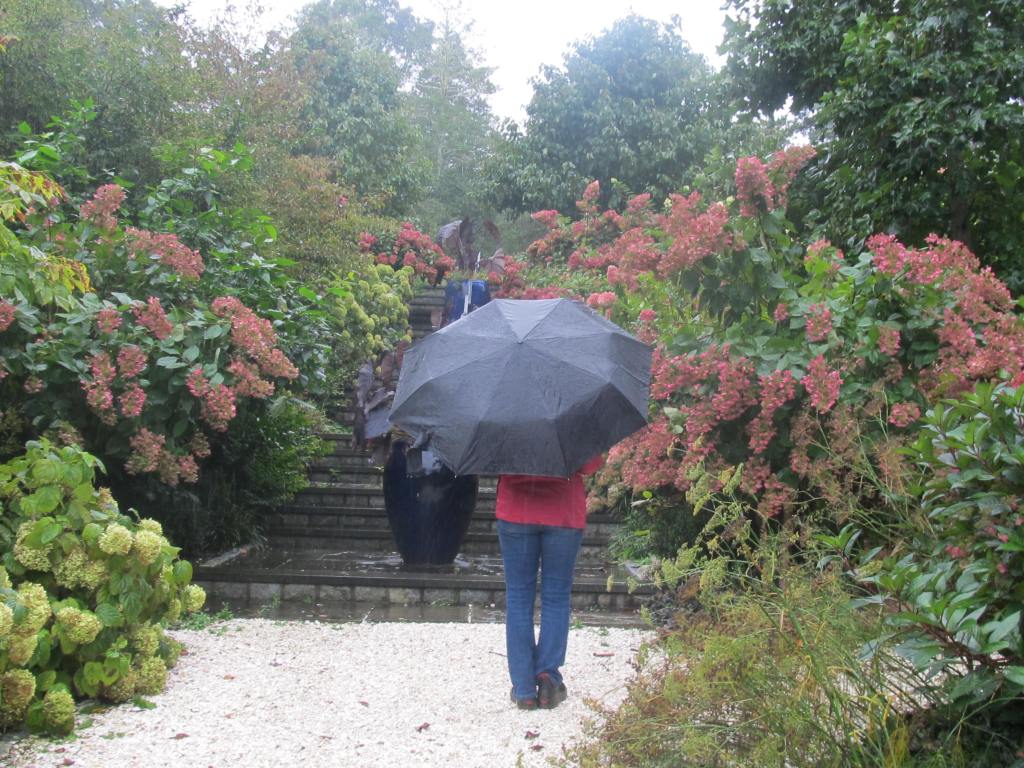
*** The phot above is of my sister this past October at the Heritage Gardens on Cape Cod.

 Gardening On Granite